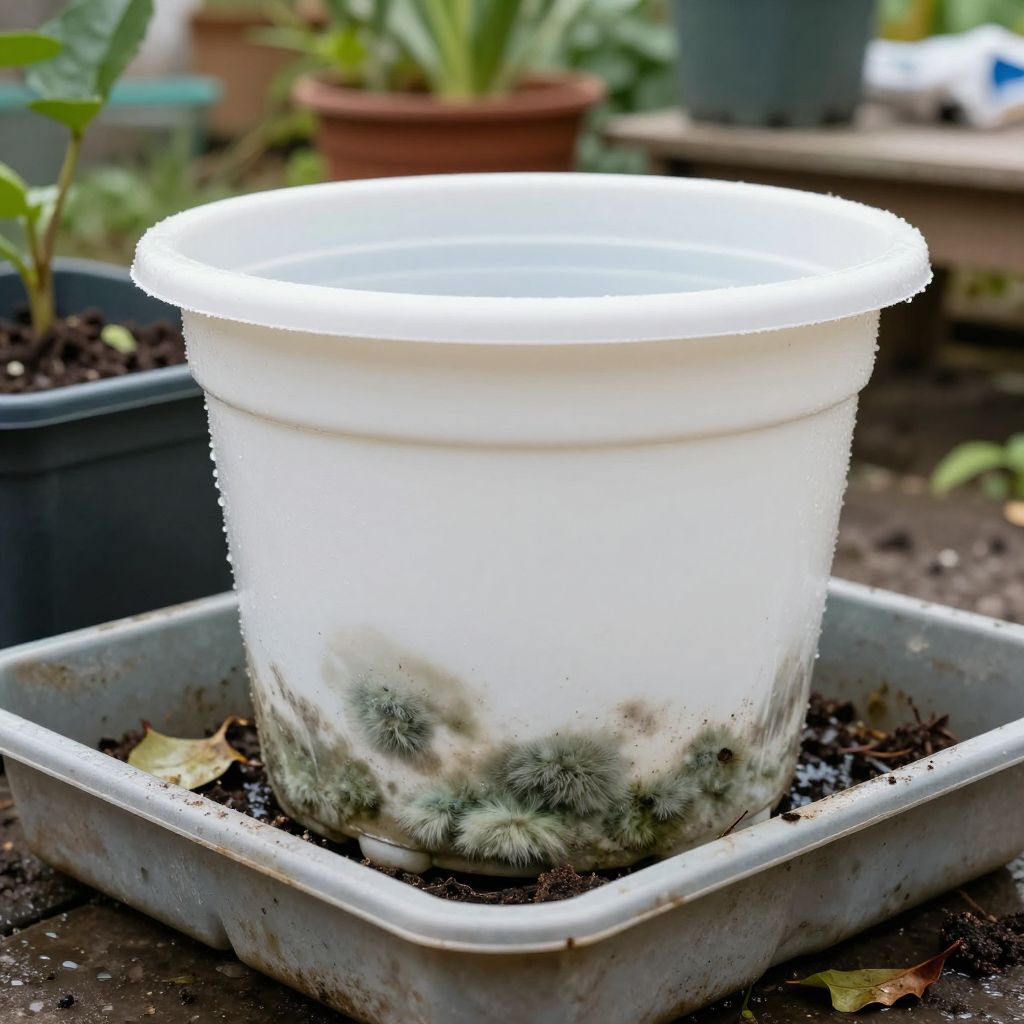
Can mold grow on plastic? Yes, it can—and in gardens and plant care, that often happens when plastic stays damp, dirty, shaded, or full of organic residue. The mold usually grows on the film of dust, algae, potting mix, fertilizer splash, or dead plant material sitting on the plastic, not on the plastic itself.
That matters because plastic pots, trays, covers, labels, and greenhouse items can all become moldy if conditions are right. The good news is that mold on plastic is usually manageable with better cleaning, airflow, and moisture control.
Can mold grow on plastic?
Yes. Mold can grow on plastic surfaces whenever moisture, warmth, and organic debris are present. Plastic does not feed mold, but it can hold condensation, trap grime, and stay damp long enough for spores to colonize the surface. In gardening, this is most common on pots, seed trays, saucers, greenhouse covers, and storage bins.
Why mold appears on plastic in gardens
Mold needs three things: moisture, a food source, and time. Plastic provides the surface, while potting mix dust, plant sap, algae, pollen, dead roots, and fertilizer residue provide the food.
Common garden situations where mold shows up
- Seed trays and humidity domes that stay closed too long
- Plastic pots sitting in saucers of standing water
- Greenhouse film or panels with condensation and dust buildup
- Storage tubs, watering cans, and tools stored while still damp
- Outdoor containers placed in shade with poor airflow
If you see a white, gray, green, or black film, it may be mold, mildew, or algae. In many cases, the exact type matters less than the growing conditions that allowed it to form.
Is mold on plastic harmful to plants?
Sometimes it is only a surface problem, but it can also signal excess moisture, poor airflow, or sanitation issues that may affect plant health. Mold on the outside of a pot is usually less serious than mold on potting mix, stems, or seedlings. If the plant is declining, inspect the roots, soil, and drainage right away.
When to worry
- Seedlings collapse or develop damping-off symptoms
- Soil stays wet for days after watering
- You notice sour smells, fungus gnats, or slimy buildup
- Mold spreads to stems, leaves, or the potting surface
- Roots are brown, mushy, or circling in stagnant, wet media
For established plants, mold on the pot exterior is often a sign to improve care rather than a plant emergency. For seedlings and cuttings, it can become a bigger problem quickly because young plants are more vulnerable to wet, stagnant conditions.
How to remove mold from plastic gardening items
Cleaning is usually straightforward. The goal is to remove spores, residue, and moisture so the mold does not return.
- Take the item outdoors or to a well-ventilated area.
- Brush off loose dirt, algae, and plant debris first.
- Wash with warm water and dish soap.
- Scrub seams, rims, drainage holes, and corners with a brush.
- Rinse thoroughly and let the item dry completely in sunlight or moving air.
For stubborn buildup
If soap alone does not remove the film, use one of these approaches:
- Vinegar solution: helpful for light mineral film and some surface residue
- Diluted bleach solution: useful for sanitizing pots and trays after disease issues, if the item is bleach-safe
- Hydrogen peroxide: sometimes used for cleaning small items, following label directions
Always rinse well after cleaning, and never mix cleaning products. If you are reusing pots for seedlings or cuttings, sanitizing them is more important than simply wiping off visible mold.
What to avoid
- Do not reuse dirty pots without cleaning them first
- Do not store plastic containers while still wet
- Do not let saucers hold water for long periods
- Do not scrub so aggressively that you damage the plastic surface
How to prevent mold from growing on plastic
Prevention is mostly about moisture management and cleanliness. If you keep plastic dry and free of plant debris, mold has far fewer places to start.
Improve airflow
Mold thrives in still, humid spaces. Space containers so air can move between them, and avoid crowding trays under dense foliage or in tightly sealed storage.
Control moisture
- Empty saucers after watering unless a plant specifically needs brief bottom watering
- Use pots with drainage holes
- Check soil moisture before watering again
- Allow the top layer of potting mix to dry when appropriate for the plant
Many container plants suffer more from overwatering than underwatering. If the plastic stays wet, the mold problem often returns even after cleaning.
Keep surfaces clean
Wipe off fertilizer spills, algae, and dust before they build up. A quick rinse after repotting can prevent the sticky residue that mold loves.
Use the right storage habits
- Dry pots, trays, and tools before stacking them
- Store plastic bins with lids slightly open if moisture is trapped inside
- Keep greenhouse covers and cold frames clean so condensation does not collect grime
Plastic pots, seed trays, and greenhouse covers: what to watch for
Plastic pots
Plastic nursery pots are common mold sites because they are reused often and can retain moisture around the rim and drainage holes. Check the undersides and inside edges, where debris tends to collect.
Seed trays and propagation domes
These are especially prone to mold because seedlings need humidity, but too much humidity with poor airflow encourages fungal growth. Vent domes regularly and remove any dead seedlings or fallen leaves promptly.
Greenhouse plastic and row covers
Condensation can leave a film on greenhouse plastic, and dust gives mold a place to settle. Regular washing improves light transmission and reduces buildup. In humid weather, ventilation is especially important.
How mold on plastic affects seedlings and young plants
Seedlings are the most sensitive because their stems are thin and their root systems are small. Mold on the tray or dome may not directly infect the seedling, but the same wet conditions that support mold can also encourage damping-off and root problems.
Better seed-starting habits
- Use clean trays and fresh seed-starting mix
- Water lightly and evenly instead of soaking the tray
- Provide bright light and gentle air movement
- Remove humidity domes once germination begins, unless the crop truly needs them
If you are starting seeds indoors, remember that warmth plus moisture can be helpful for germination, but stagnant humidity is the enemy. A small fan on low nearby can make a big difference.
Outdoor vs. indoor plastic mold problems
Indoors
Indoor plant areas often have less airflow and more consistent humidity, especially near windows, basements, and propagation shelves. Mold on plastic indoors usually means the area is staying too damp or the potting mix is not drying enough between waterings.
Outdoors
Outside, mold is often encouraged by shade, frequent rain, and debris buildup. Outdoor containers may dry more slowly under trees, against walls, or on shaded patios. Raising pots slightly off the ground can help drainage and airflow.
When mold is a sign of a bigger gardening problem
Sometimes mold is only a cleanup issue, but it can also point to deeper care mistakes. If you keep seeing it, look beyond the plastic and inspect the whole growing setup.
Check these common causes
- Overwatering or poor drainage
- Potting mix that stays soggy too long
- Low light combined with slow evaporation
- Dead leaves or old roots left on the surface
- Containers stacked or stored while damp
Fixing the underlying moisture pattern is more effective than repeatedly scrubbing the same pot. If the environment stays favorable to mold, it will come back.
A simple maintenance routine to keep plastic mold-free
- Inspect plastic pots, trays, and covers regularly.
- Remove plant debris, algae, and dust before they build up.
- Let containers dry fully before storing them.
- Improve drainage and empty standing water.
- Increase airflow around seedlings and container plants.
- Sanitize reused items before starting new plants.
This routine is especially useful at the end of a growing season, after repotting, and before bringing containers indoors for winter storage.
Conclusion
So, can mold grow on plastic? Yes, but the plastic itself is usually not the real issue. The real problem is moisture, debris, and poor airflow. Clean the item, dry it thoroughly, and adjust watering and ventilation so the mold does not return. If you are reusing pots or starting seedlings, make cleaning and drying part of your regular garden routine.
For more practical container-growing advice, you may also want to read about how to clean and reuse garden pots safely and seed starting indoors for healthier seedlings.