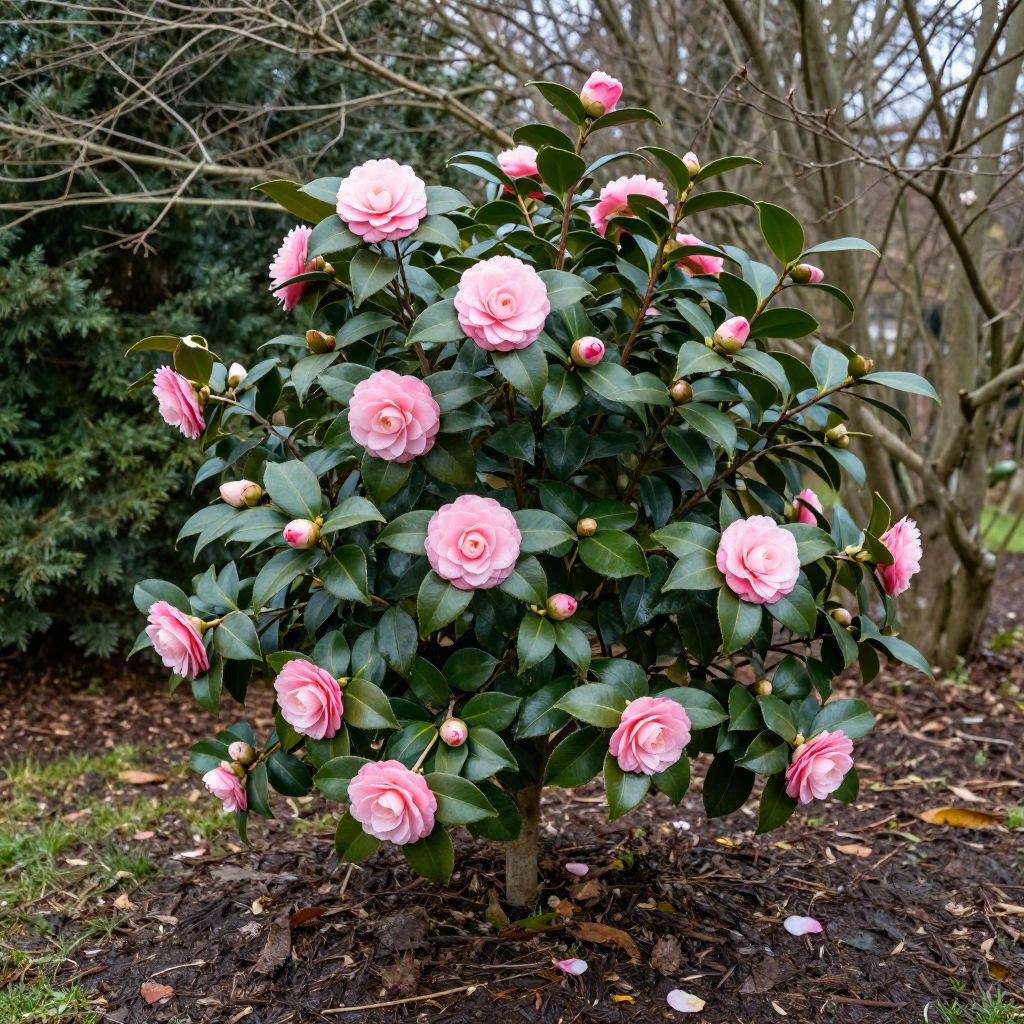
Wondering when do camellias bloom in your garden? The short answer is that most camellias flower from late fall through spring, but the exact bloom time depends on the species, cultivar, and your climate. Some bloom in autumn, others in winter, and many peak in late winter or early spring.
If your camellia is not flowering when you expect, the cause is often pruning at the wrong time, too much shade, drought stress, or buds damaged by weather. Understanding the plant’s bloom cycle helps you choose the right type and give it the conditions it needs to set buds well.
When do camellias bloom?
Camellias usually bloom from fall through spring, with timing based on the type you grow. Camellia sasanqua often flowers in autumn, Camellia japonica commonly blooms in late winter to spring, and some hybrids extend the season between those windows. Local climate can shift bloom time by several weeks.
Camellia bloom seasons by type
Knowing the main camellia groups makes it much easier to predict flowering. If you are shopping for a plant, the tag or nursery label should tell you the species or hybrid group, which is the best clue to bloom season.
Fall-blooming camellias
Camellia sasanqua is the classic fall-blooming camellia. In many areas, it starts opening in early to mid-autumn and can continue for several weeks.
- Flowers are often smaller and looser than those of japonicas.
- Plants tend to handle more sun than other camellias.
- They are useful for hedges, espalier, and foundation plantings.
Winter to spring-blooming camellias
Camellia japonica is the best-known spring camellia, though in mild climates it may begin in late winter. Blooms can last into spring, especially if temperatures stay cool.
- Flowers are usually larger and more formal.
- Plants often prefer filtered light or morning sun.
- Cold snaps can damage open flowers and tight buds.
Hybrid camellias
Many modern hybrids bloom between the two main seasons. Some start in late fall, while others flower in late winter or early spring. If you want a longer display, planting more than one type can extend bloom time across several months.
What affects camellia bloom timing?
Even within the same species, bloom timing can vary from year to year. Weather, exposure, plant age, and care all influence when buds form and when they finally open.
Climate and local weather
Camellias bloom earlier in mild winters and later in colder areas. A warm spell can trigger buds to open sooner, while a sudden freeze can delay or damage them.
- Mild climates: bloom windows may begin earlier and last longer.
- Cold climates: blooms may be shorter and more weather-dependent.
- Windy sites: flowers and buds can dry out faster.
Sunlight and exposure
Too much shade can reduce flowering, but harsh afternoon sun can stress the plant and scorch leaves. Most camellias bloom best with bright, filtered light or morning sun and afternoon shade.
Plant maturity
Young camellias may take a few seasons to settle in before blooming heavily. A newly planted shrub often spends its first year or two building roots rather than producing a full flower show.
Pruning timing
Camellias set flower buds on old wood, so pruning at the wrong time can remove next season’s blooms. If you prune too late in the year, you may cut off flower buds that were already formed.
How to encourage better camellia blooming
Healthy camellias usually bloom more reliably. The goal is steady growth, good root health, and minimal stress during bud formation.
Plant in the right spot
Choose a site with shelter from hot afternoon sun and strong wind. Camellias do well near woodland edges, east-facing walls, or areas with dappled light.
- Avoid low spots where cold air settles and frost lingers.
- Give shrubs room for airflow to help reduce disease.
- Keep them away from root competition from large trees if possible.
Use acidic, well-drained soil
Camellias prefer slightly acidic soil that drains well but still holds moisture. Heavy clay or waterlogged ground can weaken roots and reduce flowering.
- Work in organic matter such as leaf mold, pine bark, or composted material.
- Do not bury the root ball too deeply.
- Mulch lightly to keep roots cool and evenly moist.
Water consistently, especially before bloom
Dry soil during bud formation can cause buds to drop before opening. Water deeply when the top few inches of soil begin to dry, especially in late summer, fall, and during dry spells.
Irregular watering is one of the most common reasons camellias fail to bloom well. The plant may survive, but bud set and flower quality often suffer.
Feed carefully
Camellias do not need heavy feeding. Too much nitrogen can push leafy growth at the expense of flowers.
- Use a fertilizer made for acid-loving plants if your soil is low in nutrients.
- Apply only during the recommended season for your climate.
- Stop feeding late enough in the year that the plant can harden off before cold weather.
Pruning camellias without losing blooms
Prune camellias right after flowering, not just before the next bloom cycle. That gives the shrub time to grow new shoots that will carry future flower buds.
What to remove
- Dead, damaged, or crossing branches
- Weak growth inside the shrub
- Spent flowers if you want to tidy the plant
What to avoid
- Heavy pruning in late summer, fall, or winter
- Shearing into a tight hedge shape if you want maximum blooms
- Cutting back all new growth at once
If a camellia has become overgrown, spread major pruning over more than one season. Severe pruning can reduce flowering for a year or more, but it is better than removing all the buds at once.
Common reasons camellias do not bloom
If your camellia has healthy leaves but few or no flowers, look for stress factors first. Most bloom problems can be traced to site conditions or timing rather than a permanent plant flaw.
Too much shade
Deep shade can keep camellias alive but reduce bud production. Move potted plants to brighter light, or thin nearby branches if the shrub is under a tree canopy.
Late frost or cold wind
Weather can damage buds before they open. In exposed gardens, a sheltered planting site often improves bloom reliability more than any fertilizer change.
Drought stress
Dry soil during bud formation may cause buds to drop or fail to open. Mulch and deep watering help, especially in containers and newly planted shrubs.
Wrong pruning time
If you pruned after buds formed, you may have removed the flowering wood. Wait until after bloom to shape the plant.
Excess nitrogen
Too much high-nitrogen fertilizer can create lush foliage with few flowers. If this happens, reduce feeding and focus on balanced care.
How to tell if buds are healthy
Healthy camellia buds should feel firm and plump as they develop. If buds shrivel, turn brown, or fall off, the plant may be under stress from drought, cold, or poor root health.
- Firm, green buds: usually a good sign
- Brown or soft buds: may indicate freeze damage or rot
- Buds dropping early: often linked to drought or sudden weather changes
Growing camellias in containers
Container-grown camellias can bloom well if the potting mix, moisture, and light are right. Pots dry out faster than garden soil, so they need closer attention during bud development.
- Use a container with excellent drainage holes.
- Choose a peat-free or acidic potting mix suited to acid-loving plants if available in your area.
- Keep the pot out of harsh afternoon sun and drying wind.
- Repot when roots fill the container, but avoid disturbing the plant while it is setting buds.
Propagation and bloom expectations
If you propagate camellias from cuttings or purchase young plants, expect a delay before heavy flowering. A cutting-grown plant may bloom sooner than a seed-grown one, but either way the first few years are usually about establishment.
For the best bloom performance, start with a healthy nursery plant and choose a cultivar known to flower in the season you want.
Simple seasonal care checklist
This quick checklist can help you support bloom timing through the year.
- After flowering: prune lightly if needed and remove dead wood.
- Spring to summer: water during dry spells and maintain mulch.
- Late summer to fall: avoid heavy pruning and reduce stress on the plant.
- Fall to winter: protect buds from extreme wind and hard freezes where needed.
- Before bloom: check for dryness, pests, and bud damage.
Pests and diseases that can affect blooms
Camellias are generally reliable, but pests and disease can reduce flowering if they weaken the plant or damage buds.
- Aphids: may cluster on new growth and distort buds.
- Scale insects: can weaken shrubs over time and cause sticky residue.
- Petal blight: can spoil flowers in humid weather.
- Root problems: poor drainage can lead to general decline and fewer blooms.
Good airflow, clean garden hygiene, and proper watering usually prevent many problems. If blooms are failing year after year, inspect the roots and foliage closely.
Conclusion
When do camellias bloom? Most flower from fall through spring, depending on the species and your climate. If you want dependable blooms, match the plant to your season, give it acidic well-drained soil, water consistently, and prune only after flowering. Next, check which camellia type you have so you can time care around its natural bloom cycle.
If you’d like to plan more flowering shrubs for your garden, look for related guidance on how to grow camellias in containers and pruning flowering shrubs after bloom.