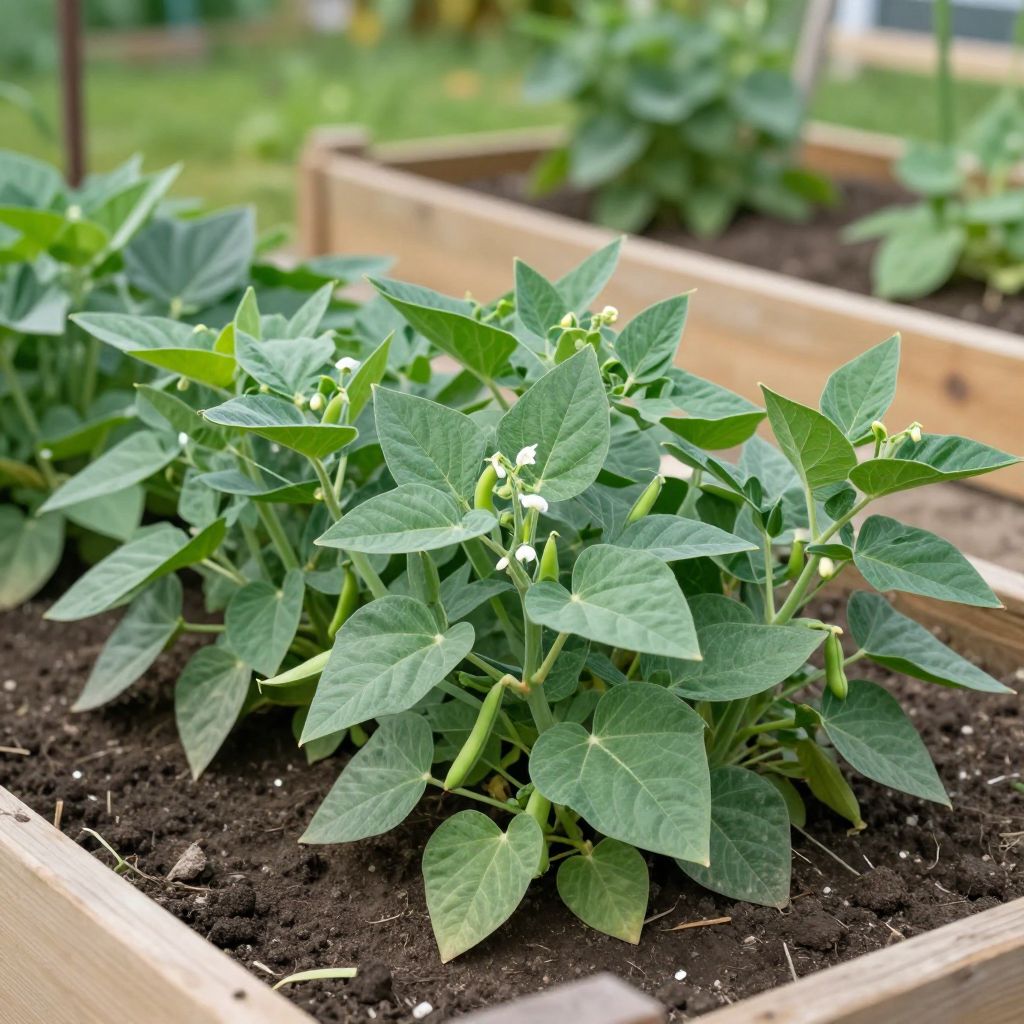
Do bush beans need a trellis? Usually, no. Most bush bean varieties grow as compact, self-supporting plants that stay low enough to stand on their own, so a trellis is not required for normal growth or harvest.
That said, a little support can still help in some gardens. If plants get tall, lean in rich soil, or grow in windier spots, simple staking or low support may reduce lodging and keep pods cleaner and easier to pick.
Do bush beans need a trellis?
Bush beans do not usually need a trellis because they grow in a compact, bushy form rather than climbing like pole beans. They typically reach a manageable height and support themselves well in open garden beds or containers. A trellis is optional, not necessary, unless plants are flopping over from weather, overcrowding, or heavy pod load.
Why bush beans usually stand on their own
Bush beans, commonly grown as Phaseolus vulgaris, are bred to stay short and sturdy. Their growth habit is naturally upright at first, then spreading, so they do not send out long vines that need climbing support.
Because of this, most gardeners grow them in rows without poles, strings, or cages. The plants are meant to mature, flower, and set pods close to the ground, which makes them easy to manage in small beds and vegetable patches.
When a trellis can still help
Even though bush beans are self-supporting, a trellis or light support can be useful in a few situations:
- Windy sites where plants get pushed over.
- Rich, fertile soil that encourages lush top growth.
- Dense planting that makes stems compete for light.
- Heavy pod set that bends branches outward.
- Container growing where pots may tip or plants lean toward light.
If you do use support, think “gentle guidance,” not full climbing infrastructure. A low hoop, short stakes, or a simple string line is often enough.
How to grow bush beans without a trellis
For most home gardens, the easiest approach is to let bush beans grow naturally and focus on good spacing, sun, soil, and watering. Healthy plants are much less likely to flop.
Choose a sunny spot
Bush beans grow best in full sun, which means at least 6 to 8 hours of direct light a day. In partial shade, plants may stretch toward the light and become weaker, which can make them look like they need support when they really need better light.
Prepare well-drained soil
Beans dislike soggy roots. Plant them in soil that drains well and has been loosened so roots can spread easily.
- Work in compost to improve structure and moisture balance.
- Avoid heavy, compacted soil that stays wet after rain.
- If your soil is clay-heavy, raised beds can help drainage.
Good soil helps the plants stay upright and reduces disease problems that can weaken stems.
Space plants properly
Overcrowding is one of the main reasons bush beans lean or sprawl. Give each plant enough room so stems can thicken and air can move through the row.
- Follow the spacing on the seed packet for your variety.
- Leave enough room to walk between rows if possible.
- Thin seedlings if they come up too close together.
When plants are crowded, they compete for light and often grow tall and thin instead of compact.
Simple support options if your bush beans need help
If your plants are falling over, you do not need a tall climbing trellis. Use the lightest support that solves the problem without crowding the bed.
Short stakes
Insert a short stake near the plant and tie stems loosely with soft garden twine if needed. Keep ties loose enough to allow stem movement and growth.
Low fencing or string lines
A short row of twine or wire along the outside of the row can help keep plants from splaying outward. This is especially useful if wind or rain is the main issue.
Small hoops or cages
Small hoops can help in a container or narrow bed, but avoid bulky cages that crowd the plants. Bush beans need airflow, and too much support structure can make harvesting awkward.
Important: If a plant is collapsing because of disease, staking will not fix the root problem. Check for pests, root rot, or stem damage first.
Watering and feeding for sturdy bush beans
Even though bush beans do not need a trellis, they do need steady care to stay strong. Uneven watering is a common reason stems weaken or pods develop poorly.
Water consistently
Water deeply when the soil begins to dry, but avoid keeping it constantly wet. Beans generally prefer even moisture, especially when flowering and setting pods.
- Water at the base of the plant to keep foliage drier.
- Mulch lightly to help hold moisture and reduce soil splash.
- Adjust watering after rain, in hot weather, or in containers that dry quickly.
Dry spells followed by heavy watering can stress plants and affect pod quality. Try to keep moisture more even as the plants mature.
Feed lightly
Beans fix their own nitrogen, so they usually do not need heavy feeding. Too much nitrogen can create lots of leafy growth and fewer pods, which may make plants top-heavy.
Compost mixed into the soil before planting is often enough. If your soil is very poor, use a balanced approach based on a soil test or local garden advice rather than overfertilizing.
Common problems that make bush beans look like they need a trellis
Sometimes the issue is not that bush beans need support, but that something else is causing weak or floppy growth. Identifying the cause helps you fix the real problem.
Plants are tall and leggy
This often means they are not getting enough sun or are planted too close together. Move future plantings to a sunnier spot and thin crowded seedlings early.
Stems are bending under pod weight
Some varieties naturally carry a heavy crop that can pull branches outward. A light stake or low support can help, but harvesting regularly also reduces strain on the plant.
Plants fall over after rain or wind
Wet soil and strong gusts can flatten bush beans, especially in loose soil. Hilling a little soil around the base, improving drainage, or adding short support can help prevent repeat problems.
Leaves yellow and growth weakens
Yellowing can point to poor drainage, nutrient imbalance, or disease. Check the soil first, then inspect stems and roots for rot or damage before deciding on support.
Pests and diseases that affect bush bean strength
Healthy bush beans usually stay upright on their own. If they start collapsing or looking weak, pests and disease may be involved.
Common pests
- Aphids can cluster on tender growth and weaken stems.
- Bean beetles may chew leaves and reduce vigor.
- Cutworms can sever young seedlings at the base.
Check plants regularly, especially when they are young. Hand-picking, row covers early in the season, and keeping weeds down can reduce pest pressure.
Common diseases
- Root rot from soggy soil can make plants wilt and topple.
- Rust and leaf spot can weaken plants over time.
- Blight may cause rapid decline in stressed plantings.
Good spacing, clean tools, crop rotation, and avoiding overhead watering help reduce disease. If a plant is diseased, staking it will not reverse the damage, but it may make cleanup and harvest easier while you remove affected plants.
Harvesting bush beans at the right time
Regular harvesting helps bush bean plants keep producing and can prevent branches from becoming overloaded. Pick pods when they are young, tender, and fully colored for the variety you are growing.
Use two hands when harvesting so you do not pull the plant loose. If the stems are bending, harvesting more often can reduce weight on the plant and improve airflow around the lower growth.
Tips for easier picking
- Check plants every few days once they start producing.
- Pick before pods become tough or bulging with large seeds.
- Use clean scissors or pinch pods gently if stems are brittle.
Growing bush beans in containers
Bush beans are a good container crop because they do not need a trellis in most cases. Choose a pot with good drainage and enough room for root growth, and place it where it gets full sun.
Containers dry out faster than garden beds, so monitor moisture closely. If the pot is small or exposed to wind, a short stake or ring support may help keep the plants from leaning, but tall trellises are usually unnecessary.
Bush beans vs. pole beans: the support difference
If you are deciding what to plant, it helps to know the difference between bush beans and pole beans. Bush beans stay compact and do not need climbing support. Pole beans grow long vines and require a trellis, poles, or another tall structure.
- Bush beans: compact, faster to harvest, no trellis usually needed.
- Pole beans: climbing, longer production window, trellis required.
If you want a low-maintenance bed without building supports, bush beans are the simpler choice.
Conclusion: keep it simple and support only if needed
So, do bush beans need a trellis? In most gardens, no. Give them full sun, well-drained soil, proper spacing, and steady moisture, and they should grow well on their own. If plants start to lean or flop, use short, simple support rather than a full trellis.
If you are planning your bean patch, start by checking your spacing and sun exposure, then decide whether your garden conditions call for light staking. For more vegetable-growing guidance, you may also want to read about growing bush beans and how to grow pole beans.