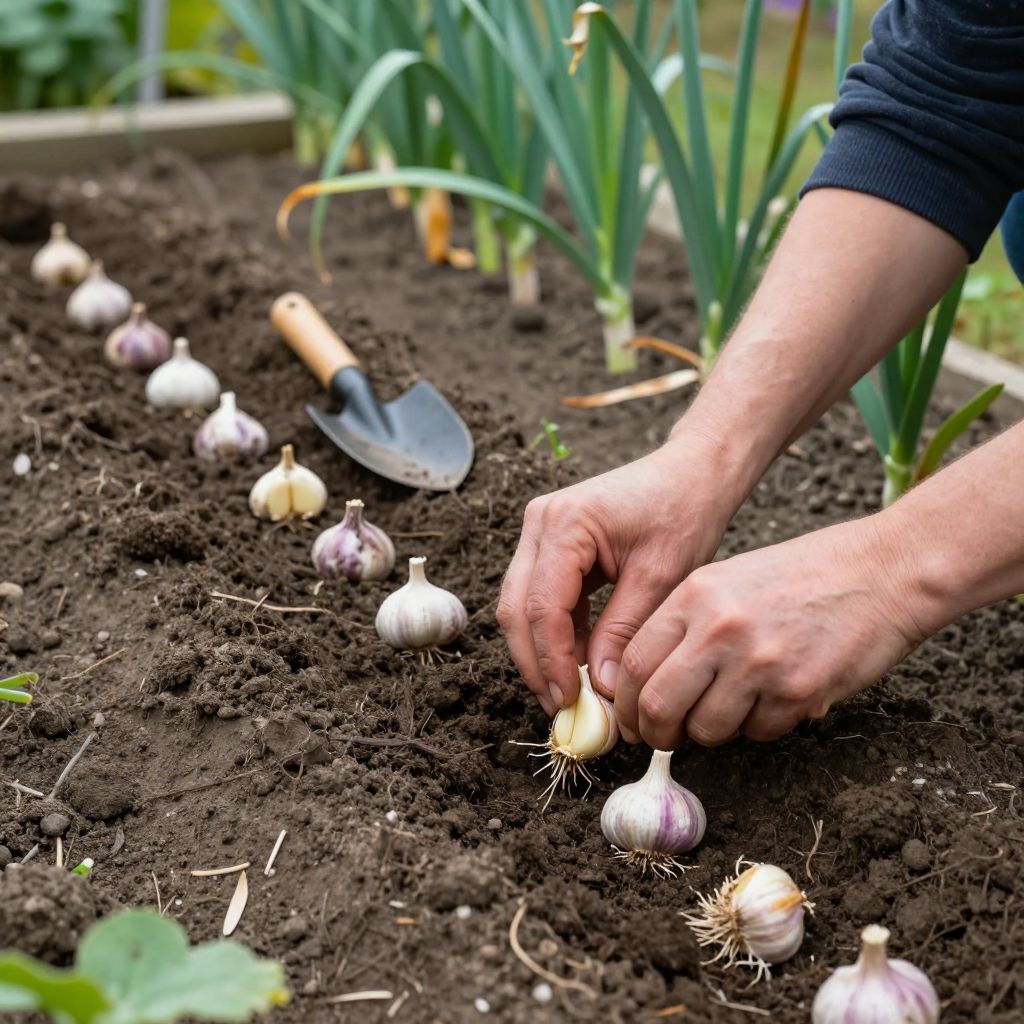
When do you plant garlic? The short answer is usually in fall, a few weeks before the ground freezes, so the cloves can root before winter. In mild climates, late fall or even winter planting can work, while very cold regions may need earlier planting or spring-planted garlic.
The best timing depends on your climate, soil, and whether you want larger bulbs or a later harvest. Garlic is forgiving, but planting at the right time makes a big difference in bulb size, winter survival, and how much care it needs through the season.
When do you plant garlic?
Plant garlic in autumn when the soil is still workable but cool enough for roots to develop without sending up much top growth. In most areas, that means about 2 to 6 weeks before the ground freezes, often from September through November. Spring planting is possible, but fall-planted garlic usually forms bigger bulbs.
Why fall planting is usually best
Garlic needs a period of cool weather to grow well. Fall planting gives the cloves time to establish roots before winter, then they resume growth quickly in spring.
This head start is one reason fall-planted garlic often produces larger, more uniform bulbs than garlic planted in spring. It also tends to mature earlier in summer, which can help you avoid hot weather stress in some regions.
What garlic needs from winter
- Root development before the soil freezes
- A period of cold weather to support bulb formation in many types
- Well-drained soil so cloves do not rot over winter
How to time garlic planting by climate
Your local weather matters more than the calendar. Use the first expected hard freeze and soil conditions as your guide rather than a fixed date.
Cold winter climates
In colder regions, plant garlic in early to mid fall so roots can establish before the ground freezes. If you wait too long, cloves may not root well enough to survive winter heaving.
Mild winter climates
In areas with mild winters, garlic can often be planted later in fall or early winter. The goal is still to give the cloves enough time to root before the warmest part of spring arrives.
Very short seasons
If your growing season is short and winter arrives quickly, choose the earliest practical fall planting window. If you miss it, spring planting is a backup option, though bulb size may be smaller.
Can you plant garlic in spring?
Yes, you can plant garlic in spring, but it is usually a compromise. Spring-planted garlic often produces smaller bulbs because it has less time to establish and may not get the same seasonal cues as fall-planted garlic.
If spring is your only option, plant as soon as the soil can be worked. Choose healthy cloves, give them excellent drainage, and expect a later harvest. Spring planting is often better than skipping garlic entirely, especially in very cold climates where fall planting was missed.
How to prepare the planting site
Garlic grows best in loose, fertile soil that drains well. Heavy, soggy soil is one of the biggest reasons cloves fail.
Soil and sunlight
- Choose a site with full sun, ideally 6 or more hours a day.
- Use soil that is loose and crumbly, not compacted.
- Avoid low spots where water collects after rain or snowmelt.
Adding compost
Work a few inches of compost into the bed before planting. Compost improves soil structure, helps moisture move evenly, and supports steady growth without making the soil too rich or waterlogged.
If your soil is very dense, consider raised beds or a slightly mounded row. Garlic hates sitting in wet soil, especially over winter.
How to plant garlic cloves correctly
Plant garlic from individual cloves, not from whole bulbs. Separate the bulb just before planting so the cloves stay fresh and less likely to dry out.
- Choose the largest, healthiest cloves from a disease-free bulb.
- Plant each clove with the pointed end up and the flat root end down.
- Set cloves about 2 inches deep in mild climates and 3 to 4 inches deep in colder areas.
- Space cloves about 4 to 6 inches apart in rows 8 to 12 inches apart.
- Water once after planting if the soil is dry.
After planting, mulch the bed with straw, shredded leaves, or another loose organic mulch. Mulch helps moderate soil temperature, reduces frost heaving, and suppresses weeds.
What to expect after planting
In fall, garlic usually focuses on root growth first. You may see a small amount of top growth before winter, which is normal. The plants then slow down during cold weather and resume active growth in spring.
Do not worry if the tops are modest in fall. The real bulb-building happens later, once days lengthen and temperatures warm.
Watering after planting
Garlic needs even moisture while it is establishing, but it should never stay soggy. Water after planting if the soil is dry, then rely mostly on rainfall unless conditions are unusually dry.
In spring, water more regularly during active growth, especially if your soil dries quickly. Reduce watering as bulbs mature so the necks and outer skins can dry properly before harvest.
Common mistakes to avoid
- Planting too late, leaving cloves without enough time to root before winter.
- Using soft or damaged cloves, which are more likely to rot.
- Planting in poorly drained soil, especially in heavy clay or low areas.
- Setting cloves too shallow in cold climates, which can lead to frost heaving.
- Overwatering, especially in cool weather when evaporation is slow.
- Skipping mulch, which can expose cloves to temperature swings and weeds.
How to care for garlic through the season
Garlic is not a high-maintenance crop, but it does respond well to a few simple care steps.
Weeding
Keep weeds down early. Garlic has a shallow root system and does not compete well with aggressive weeds, especially in spring.
Feeding
Compost at planting time is often enough for many home gardens. If your soil is poor, a light side-dressing of compost in spring can help, but avoid overdoing nitrogen, which can encourage leafy growth at the expense of bulbs.
Scapes
If you grow hardneck garlic, you may see curly flower stalks called scapes in late spring. Removing them can help the plant direct more energy into bulb growth. Snip them when they curl, while they are still tender.
Pests and diseases to watch for
Healthy timing and good drainage prevent many garlic problems, but a few issues are worth watching for.
Rot and fungal problems
Wet soil can cause cloves to rot before they sprout or during winter. If you have repeated rot issues, improve drainage, raise the bed, or move garlic to a better site.
Onion thrips and other pests
Thrips can damage leaves in warm, dry weather. Keep plants watered appropriately and remove heavily damaged foliage if needed. Crop rotation also helps reduce pest buildup.
White rot and other soil-borne diseases
White rot is serious and can persist in soil for years. If you suspect it, do not replant garlic or other alliums in that bed until you have identified the problem and improved rotation practices.
When to harvest garlic
Harvest garlic when the lower leaves have turned brown but several upper leaves are still green. That usually means the bulbs have finished sizing up but are not yet splitting open in the ground.
Dig bulbs carefully with a fork or spade rather than pulling hard on the stems. After harvest, cure garlic in a dry, airy, shaded place for several weeks before trimming and storing it.
Signs your garlic is ready
- Several bottom leaves have dried down
- Bulbs feel full and firm
- The wrapper skins are starting to dry
Quick planting timeline
- Early fall: Prepare the bed with compost and choose a sunny, well-drained site.
- Mid to late fall: Plant cloves 2 to 4 inches deep, depending on climate.
- Late fall to winter: Mulch the bed and let roots establish.
- Spring: Weed, water as needed, and watch for scapes on hardneck types.
- Summer: Harvest when the lower leaves brown and cure bulbs for storage.
Conclusion
If you are wondering when do you plant garlic, the best answer is usually fall, before the ground freezes but late enough that the cloves do not send up much growth. Start with a sunny, well-drained bed, plant healthy cloves at the right depth, and mulch well. If you missed fall, plant in spring and adjust your expectations for smaller bulbs.
For more seasonal growing help, you may also want to read about how to prepare a vegetable bed for fall planting and the basics of mulching garden beds.