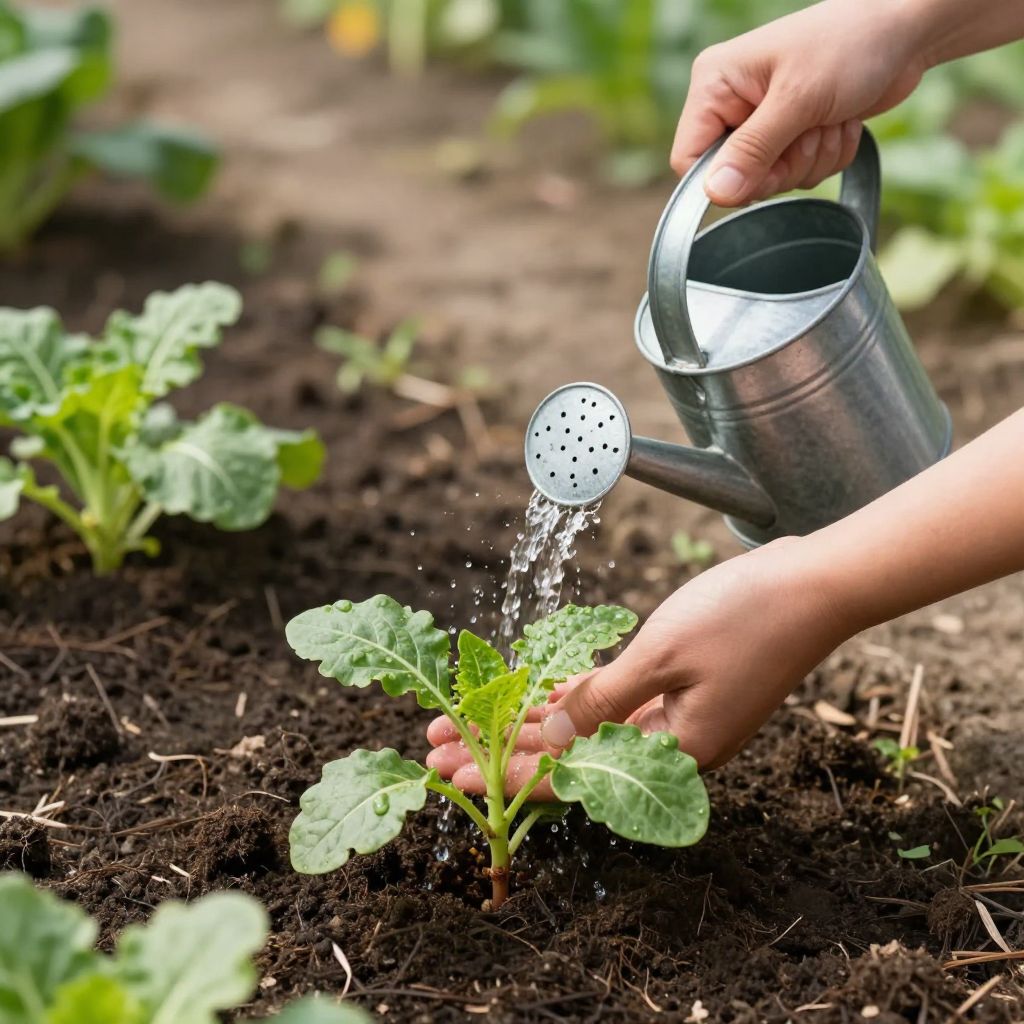
What do plants need to grow well? In the simplest terms, they need the right balance of light, water, air, nutrients, and a suitable root environment. When one of those basics is missing, plants usually show it through slow growth, yellowing leaves, wilting, poor flowering, or weak roots.
The good news is that most plant problems can be traced back to a few common care mistakes. If you learn how to read the plant and match its needs to your soil, container, and climate, you can prevent many issues before they start.
What do plants need?
Plants need light for energy, water to move nutrients and keep cells firm, air around the roots, and soil or potting mix that drains well but still holds some moisture. They also need minerals from the soil, appropriate temperature, and enough space for roots and growth. The exact balance depends on the plant species and whether it is indoors or outdoors.
Start with the basics: light, water, air, and nutrients
1. Light
Light powers photosynthesis, the process plants use to make food. Some plants need full sun, while others prefer bright shade or filtered indoor light.
- Full sun usually means 6 or more hours of direct sun daily.
- Partial shade often means 3 to 6 hours of sun, usually gentler morning light.
- Low-light indoor plants still need a bright room, even if they do not sit in direct sun.
If a plant leans toward the window, has pale leaves, or grows long and weak, it may need more light. If leaves scorch, bleach, or curl in hot afternoon sun, it may need less.
2. Water
Water helps transport nutrients and keeps plant tissues hydrated, but too much water can be just as harmful as too little. Roots need oxygen, so soggy soil can suffocate them.
Instead of watering by the calendar, check the soil first. For many garden plants, water when the top inch or two of soil feels dry. For containers, the top layer often dries faster, so pots may need more frequent attention.
- Water deeply enough to moisten the root zone.
- Let excess water drain away.
- Adjust for heat, wind, rainfall, pot size, and plant maturity.
Wilting does not always mean dry soil. A plant can wilt from heat stress, root damage, or overwatering if the roots are unable to function properly.
3. Air and drainage
Roots need oxygen as much as they need water. That is why drainage matters so much in both garden beds and containers.
Heavy clay soil, compacted ground, and pots without drainage holes can all create root problems. If water sits on the surface or the soil stays wet for days, improve drainage before planting or repotting.
- In garden beds, mix in compost to improve structure.
- In containers, use a high-quality potting mix, not garden soil.
- Choose pots with drainage holes every time.
4. Nutrients
Plants need essential nutrients such as nitrogen, phosphorus, and potassium, along with smaller amounts of other minerals. These usually come from soil, compost, or fertilizer.
Healthy soil often supplies enough nutrition for many plants, especially if you add compost regularly. If growth is weak or leaves are discolored, a soil test is the best way to know what is missing before you fertilize.
- Too little nitrogen can cause pale, slow growth.
- Too much fertilizer can burn roots or produce leafy growth with few flowers.
- Balanced feeding works best when matched to the plant and season.
How soil affects plant health
Soil is more than dirt. It is the plant’s anchor, water reservoir, nutrient bank, and root habitat all in one.
Good soil structure
Most plants do best in soil that is loose enough for roots to spread, yet firm enough to hold moisture. A crumbly texture with organic matter is usually ideal for garden beds.
Clay soil holds water and nutrients well but can become dense and slow-draining. Sandy soil drains quickly but may dry out and lose nutrients faster. Compost helps both types by improving structure and moisture balance.
Compost and organic matter
Adding compost is one of the most useful things you can do for plant health. It improves soil texture, supports beneficial organisms, and helps soil hold water without becoming waterlogged.
- Work compost into planting beds before planting.
- Use it as a top dressing around established plants.
- Mix it into containers only if it is part of a proper potting blend.
Do not assume more organic matter is always better. Extremely rich or poorly mixed soil can hold too much water or create uneven root conditions.
What do plants need when you are planting?
Planting well gives roots the best possible start. A plant that is set too deep, too shallow, or into badly prepared soil may struggle for the rest of the season.
Before planting
- Choose the right site for the plant’s light needs.
- Check the soil for drainage by watering the area and seeing how quickly it absorbs.
- Remove weeds and large stones.
- Loosen compacted soil and mix in compost if needed.
Planting depth matters
Most plants should be planted at the same depth they were growing in their nursery pot or root ball. Planting too deep can smother stems and invite rot, while planting too high can dry out roots.
After planting, water thoroughly to settle the soil around the roots. Then mulch lightly, keeping mulch a few inches away from stems and trunks.
Container planting tips
For pots, choose a container large enough for the roots and use a potting mix made for containers. Garden soil is usually too heavy and can compact in pots.
- Make sure the container has drainage holes.
- Use a saucer only if you empty excess water after watering.
- Repot when roots circle the pot or water runs straight through too quickly.
How to tell what your plant needs
Plants communicate through their leaves, stems, and soil. Learning the signs helps you correct problems early.
Common symptoms and likely causes
- Yellow leaves: overwatering, poor drainage, low nutrients, or natural aging.
- Brown leaf edges: dry air, inconsistent watering, salt buildup, or sun scorch.
- Leggy growth: not enough light.
- Wilting: dry soil, root damage, heat stress, or waterlogged roots.
- No flowers: too much shade, too much nitrogen, pruning at the wrong time, or stress.
Always check more than one factor before making changes. For example, yellow leaves are not always a sign of thirst; they can also mean the roots are staying too wet.
Watering the right way
Outdoor plants
Outdoor plants usually need deeper, less frequent watering than a quick daily sprinkle. Deep watering encourages roots to grow downward, which helps plants handle heat and short dry spells better.
Water early in the day when possible. This reduces evaporation and gives leaves time to dry, which can help limit some disease problems.
Indoor plants
Indoor plants often suffer from overwatering more than underwatering. Because light is lower and evaporation is slower indoors, potting mix can stay wet longer than you expect.
- Check the soil with your finger before watering.
- Empty excess water from saucers.
- Use room-temperature water for most houseplants.
If your indoor plant is in a very bright, warm spot, it may dry faster than one in a dim room. Always adjust to the actual conditions in your home.
Seasonal care: what changes through the year?
Plants do not need the same care all year. Growth slows or speeds up with temperature, day length, and rainfall.
Spring and early growth
As plants begin active growth, they often need more water and may benefit from compost or light feeding if the soil is poor. This is also a good time to divide crowded perennials, refresh mulch, and repair winter damage.
Summer stress
Heat and strong sun increase water demand, especially for containers. Keep an eye on wilting, sun scorch, and dry soil. Mulch helps reduce evaporation in garden beds.
Fall and slowdown
Many plants use less water as temperatures cool. Reduce watering as growth slows, but do not let newly planted specimens dry out completely. Fall is also a good time to improve soil and prepare beds for next season.
Winter dormancy
Many outdoor plants need less water during dormancy, though evergreens and newly planted shrubs may still need occasional watering during dry spells. Indoor plants may also need less frequent watering because light levels are lower.
Pruning, spacing, and maintenance
Plants need room to grow. Crowding reduces airflow, increases disease risk, and can limit flowering or fruiting.
- Space plants according to their mature size, not their nursery size.
- Prune dead, damaged, or crossing stems to improve airflow.
- Remove spent flowers if the plant benefits from deadheading.
- Keep weeds down so they do not compete for water and nutrients.
Use clean, sharp tools for pruning. Dirty or dull tools can damage stems and spread disease.
Pests and diseases: preventing common problems
Healthy plants are less likely to suffer serious pest or disease issues, but no garden is completely trouble-free. The best defense is regular inspection and good growing conditions.
Prevention first
- Inspect leaves, stems, and soil regularly.
- Avoid overhead watering late in the day.
- Do not overcrowd plants.
- Remove fallen leaves or infected plant debris when needed.
When pests appear
Small infestations are often easiest to manage early. Many soft-bodied pests can be reduced with a strong spray of water, hand removal, or horticultural soap if appropriate for the plant.
If you are unsure what is attacking the plant, identify the pest first. Different insects and diseases need different solutions, and some problems are made worse by unnecessary spraying.
Propagation and replacement: keeping plants going
Some plants respond well to division, cuttings, or seed, but propagation works best when the parent plant is healthy and actively growing. If a plant is declining because of poor light, bad soil, or root rot, fix the growing conditions first.
Sometimes replacement is the most practical choice. A plant that has outgrown its site, suffered repeated disease, or been planted in the wrong conditions may never thrive no matter how carefully you water it.
Common mistakes to avoid
- Watering on a fixed schedule instead of checking soil moisture.
- Planting in compacted or poorly draining soil.
- Giving too little light to sun-loving plants.
- Using too much fertilizer, especially on stressed plants.
- Ignoring mature plant size and spacing.
- Letting pots sit in standing water.
Most plant care problems improve when you slow down and observe the plant, the soil, and the site together. One change at a time is usually safer than making several big changes at once.
Conclusion: give plants the basics, then adjust
What do plants need most? The right light, sensible watering, healthy soil, drainage, and enough room to grow. Start with those basics, then adjust for the specific plant and your local weather, soil, and season. If you want to keep learning, a good next step is reading more about soil testing and compost and mulches so you can match care to your garden conditions.