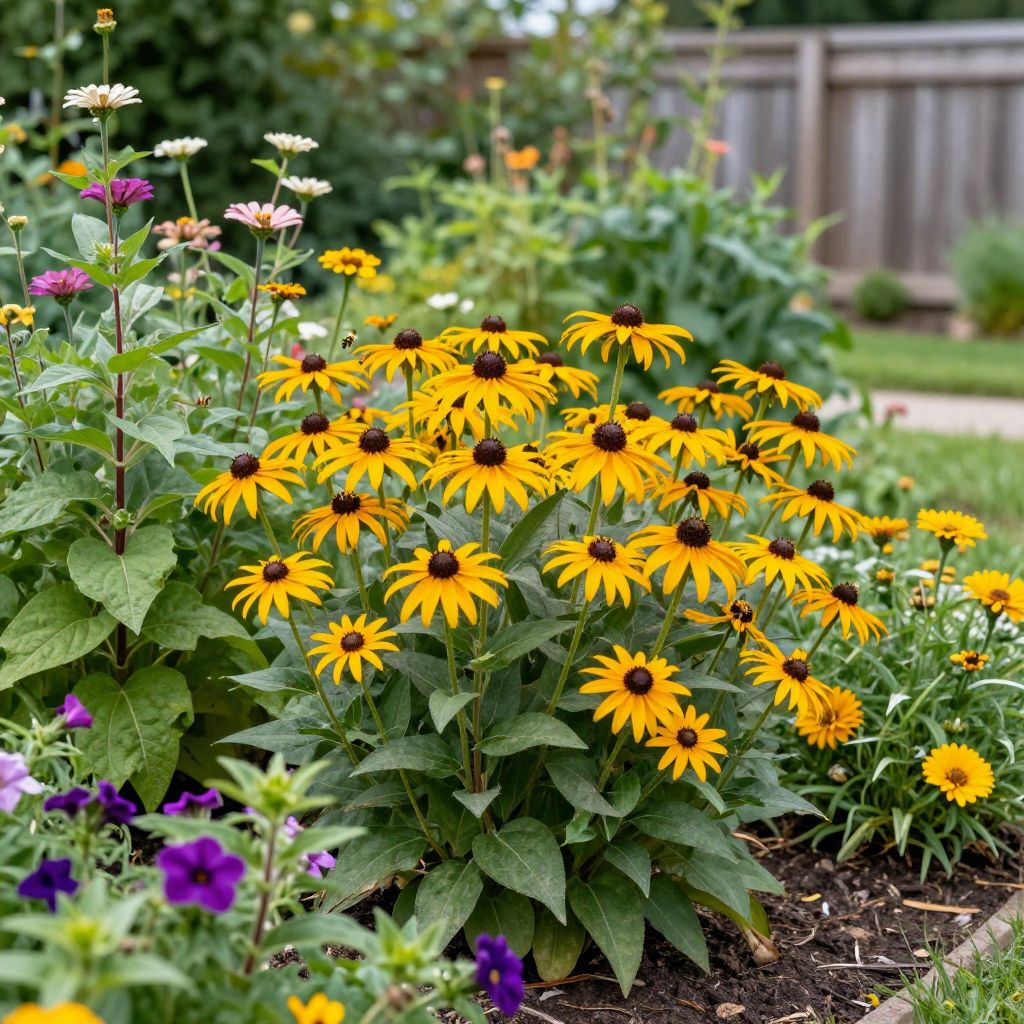
What flowers bloom in summer? If you want color through the hottest part of the year, the best choices are plants that tolerate heat, sun, and occasional dry spells while still setting buds reliably. Many summer bloomers also keep flowering longer if you deadhead, water deeply, and give them enough light.
The right flowers for your garden depend on your climate, soil, and whether the site gets full sun, part shade, or afternoon shade. Below, you’ll find reliable summer-blooming flowers, how to plant them, and the care that helps them stay attractive for weeks or months.
What flowers bloom in summer?
Many flowers bloom in summer, including zinnias, marigolds, coneflowers, black-eyed Susans, daylilies, dahlias, salvias, petunias, geraniums, and lantana. The best summer bloomers match your light and climate: sun lovers flower best in 6 or more hours of direct sun, while some plants prefer afternoon shade in hotter regions.
Best summer-blooming flowers for sunny gardens
Zinnias (Zinnia elegans)
Zinnias are one of the easiest annuals for summer color. They grow quickly from seed, bloom in many bright colors, and keep flowering if you remove spent blooms.
- Light: Full sun
- Soil: Well-drained soil
- Best use: Beds, borders, cutting gardens
Plant after frost danger has passed and the soil has warmed. Crowding zinnias can increase mildew, so give them room for air movement.
Marigolds (Tagetes spp.)
Marigolds bloom steadily in summer and are useful for edging, containers, and vegetable gardens. They handle heat well and usually flower more when deadheaded regularly.
- Light: Full sun
- Soil: Average to moderately fertile, well-drained soil
- Best use: Edges, pots, companion planting
French marigolds are compact, while African marigolds are taller and more dramatic. Avoid overly rich soil, which can produce more leaves than flowers.
Coneflowers (Echinacea spp.)
Coneflowers are dependable perennial summer bloomers with daisy-like flowers that attract pollinators. Once established, they are fairly drought tolerant and low maintenance.
- Light: Full sun
- Soil: Well-drained soil
- Best use: Native plantings, pollinator gardens, mixed borders
They do best in soil that does not stay wet. In heavy clay, improve drainage before planting.
Black-eyed Susans (Rudbeckia spp.)
Black-eyed Susans bring long-lasting yellow flowers in midsummer and beyond. They are tough, adaptable, and excellent for naturalistic plantings.
- Light: Full sun to light shade
- Soil: Average soil with good drainage
- Best use: Mass plantings, cottage gardens, pollinator beds
Deadheading can extend bloom, but some gardeners leave seed heads for birds later in the season.
Daylilies (Hemerocallis spp.)
Daylilies are among the most reliable summer perennials. Each flower lasts only a day, but plants produce many buds over a long period.
- Light: Full sun to part shade
- Soil: Well-drained, moderately fertile soil
- Best use: Borders, slopes, foundation plantings
They tolerate a wide range of conditions, but flowering is usually best with at least several hours of sun daily.
Salvias (Salvia spp.)
Many salvias bloom heavily in summer and are valued for their spiky flowers and drought tolerance. They are especially useful in hot, sunny gardens.
- Light: Full sun
- Soil: Well-drained soil
- Best use: Pollinator gardens, mixed borders, containers
Trim back faded flower spikes to encourage repeat blooming, especially on annual and herbaceous types.
Dahlias (Dahlia spp.)
Dahlias produce large, showy flowers from midsummer until frost in many climates. They need more attention than some summer flowers, but the display can be impressive.
- Light: Full sun
- Soil: Rich, well-drained soil
- Best use: Cutting gardens, showy borders, containers
They dislike cold, wet soil and tubers may rot if planted too early. In colder areas, tubers are often lifted after frost and stored for winter.
Petunias (Petunia hybrids)
Petunias can bloom for months when they receive enough sun and regular care. They work well in hanging baskets, window boxes, and containers.
- Light: Full sun
- Soil: Moist but well-drained potting mix or garden soil
- Best use: Containers, edging, baskets
In very hot weather, some petunias slow down. Water carefully and remove spent flowers to keep them tidy and productive.
Geraniums (Pelargonium hybrids)
Common garden geraniums are popular summer container plants with long bloom periods. They do best with bright light and good drainage.
- Light: Full sun to light shade
- Soil: Loose, well-drained potting mix
- Best use: Pots, patio containers, window boxes
Too much shade can reduce flowering, while soggy soil can cause root problems.
Lantana (Lantana camara and related hybrids)
Lantana is a heat-loving summer bloomer that thrives in sunny, warm conditions. It is a strong choice where summers are hot and dry.
- Light: Full sun
- Soil: Well-drained soil
- Best use: Containers, hot borders, pollinator plantings
It flowers best when not overwatered or overfertilized.
How to choose summer flowers for your garden
Start with your site conditions. The best flower is the one that matches your sun, soil, and water availability, not just the one with the prettiest picture.
Match flowers to sunlight
- Full sun: Zinnias, marigolds, coneflowers, black-eyed Susans, salvias, dahlias, petunias, lantana
- Part shade: Daylilies and some geraniums may still flower well
- Hot climates: Choose heat-tolerant plants and consider afternoon shade for less stress
Check your soil and drainage
Most summer bloomers prefer soil that drains well. If water sits after rain, roots may struggle and flowers may decline.
- Add compost to improve structure and moisture retention in sandy soil.
- Work compost into heavy soil to improve tilth, but avoid making it muddy or compacted.
- Use raised beds or containers if your garden stays wet.
Think about maintenance level
If you want low maintenance, choose coneflowers, black-eyed Susans, daylilies, or lantana. If you enjoy regular deadheading and feeding, annuals like petunias, zinnias, and dahlias may reward you with more blooms.
How to plant summer-blooming flowers
Planting correctly gives summer flowers a strong start. Whether you are sowing seed or setting out transplants, good spacing and soil preparation matter more than frequent feeding later.
- Prepare the bed: Remove weeds and loosen the top 6 to 8 inches of soil.
- Improve the soil: Mix in compost if the soil is poor, compacted, or very sandy.
- Check drainage: Avoid planting in spots that stay soggy after rain.
- Space properly: Follow plant tags or seed packet guidance so air can flow around foliage.
- Water in well: Water deeply after planting to settle soil around roots.
- Mulch lightly: Use a thin layer of mulch to reduce weeds and conserve moisture, keeping it away from stems.
Do not plant heat-loving annuals too early in cold soil. They may sit still, rot, or become stunted before summer even begins.
Summer flower care that keeps blooms coming
Water deeply, not constantly
Most summer flowers do better with thorough watering less often than with shallow watering every day. Deep watering encourages roots to grow downward, which helps plants handle heat.
- Water at the base of the plant when possible.
- Water early in the day so foliage dries faster.
- Container plants usually need more frequent attention than in-ground plants.
If leaves wilt in the afternoon but recover by evening, that can be heat stress rather than a true water shortage. Check the soil before watering again.
Deadhead spent flowers
Removing faded blooms often pushes the plant to make more flowers instead of seeds. This is especially helpful for zinnias, marigolds, petunias, geraniums, and many salvias.
- Snip or pinch off faded flowers just above a leaf node or healthy side shoot.
- Remove seed heads only if you want continued flowering.
- Leave some seed heads on coneflowers or black-eyed Susans if you want wildlife value later.
Feed lightly, if needed
Too much nitrogen can produce leafy plants with fewer blooms. If your soil is already reasonably fertile, many summer flowers need little extra feeding.
- Use compost at planting time for a gentle nutrient boost.
- For containers, refresh nutrients with a balanced fertilizer according to the product label.
- Avoid overfertilizing drought-stressed plants.
Prune and pinch for fuller plants
Pinching back young annuals can make them branch more and bloom more heavily. Some perennials also benefit from trimming spent stems.
- Pinch zinnias and some annual salvias when young to encourage branching.
- Cut back leggy petunias if they become sparse in midsummer.
- Remove broken or diseased stems promptly.
Common problems with summer-blooming flowers
Few flowers, lots of leaves
This often happens when plants get too much shade or too much nitrogen. Move sun-loving flowers to a brighter location and reduce high-nitrogen feeding.
Fungal diseases
Powdery mildew, leaf spots, and botrytis are more likely when plants are crowded, watered overhead, or stressed by humidity. Improve airflow, water at soil level, and remove badly affected foliage.
Pests
Aphids, spider mites, thrips, and caterpillars can damage summer flowers. Check the undersides of leaves and buds regularly.
- Rinse small infestations off with a strong spray of water.
- Remove heavily infested leaves or stems.
- Encourage beneficial insects by planting a mix of flowering plants.
Heat stress
In very hot weather, some flowers pause blooming. Mulch, consistent moisture, and afternoon shade can help sensitive plants recover. Containers may need extra attention because they dry out faster than garden beds.
Summer flowers for containers and small spaces
If you garden on a patio or balcony, choose flowers that stay compact and bloom reliably in pots. Good choices include petunias, geraniums, marigolds, compact zinnias, and some salvias.
- Use containers with drainage holes.
- Choose a quality potting mix, not garden soil.
- Water when the top inch of mix feels dry, adjusting for heat and wind.
- Deadhead often to keep the display going.
Large pots hold moisture better than small ones, so they are often easier to manage in summer.
Conclusion: build a long-lasting summer display
To answer the question of what flowers bloom in summer, the most dependable choices are heat-tolerant, sun-loving plants such as zinnias, marigolds, coneflowers, black-eyed Susans, daylilies, salvias, dahlias, petunias, geraniums, and lantana. Choose plants that suit your light and soil, then water deeply, deadhead regularly, and watch for stress early.
If you want to plan a fuller seasonal garden, you may also enjoy reading more about choosing flowers for sunny borders and container planting for hot weather.