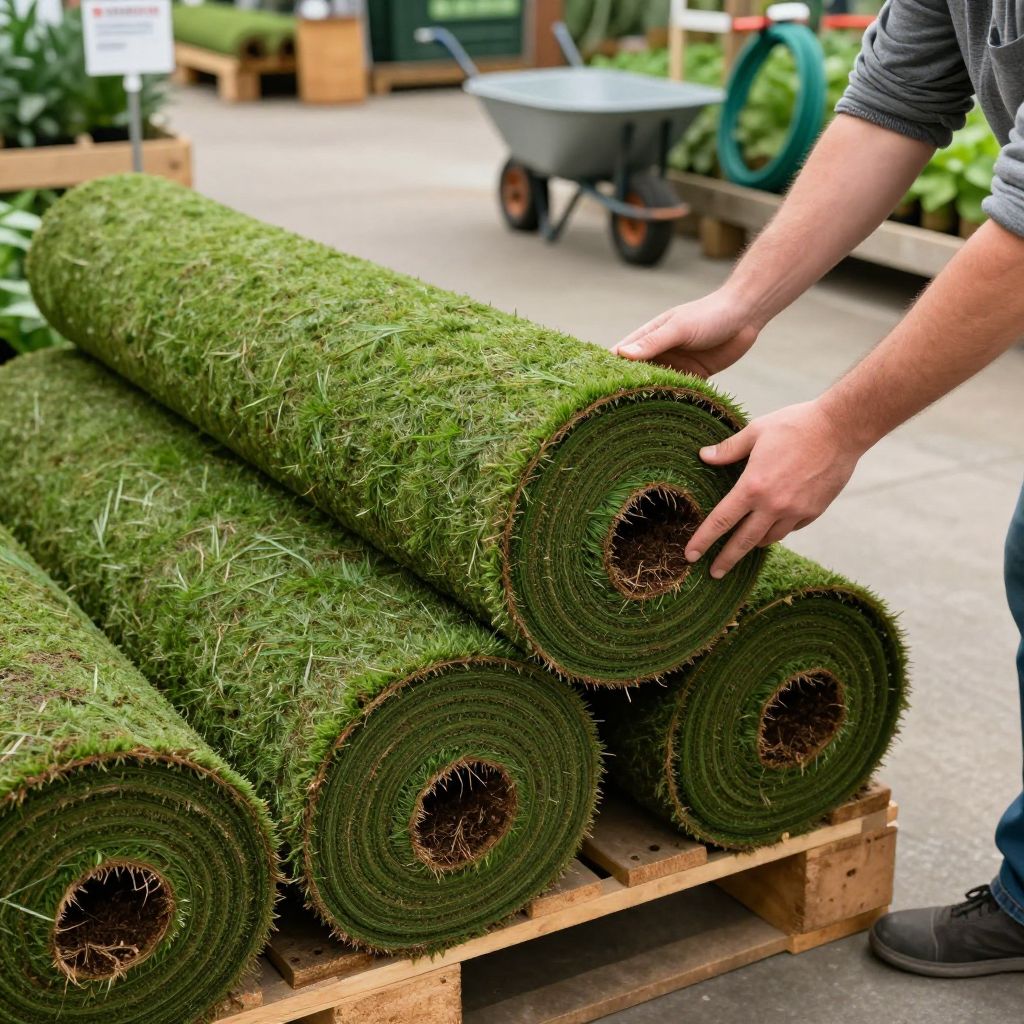
Where can I buy sod near me? If you need a fast lawn fix, sod is often the quickest way to cover bare soil, reduce erosion, and create an instant green space. The best place to buy it depends on your local climate, the grass type you need, and how quickly you can install it.
You can usually find sod at local garden centers, landscape supply yards, turf farms, and some home improvement stores. For the best results, choose fresh sod that matches your sunlight, soil, and regional growing conditions, then install it the same day if possible.
Where can I buy sod near me?
Start with local sod farms, landscape supply companies, and garden centers, because they often carry grass types suited to your area and can tell you what is currently in stock. Big-box stores may be convenient, but local suppliers usually offer fresher sod, better advice, and more suitable varieties for your climate.
Best places to look for sod locally
1. Sod farms and turf growers
Sod farms are often the best source if you want fresh-cut turf and regionally adapted grass. Many sell directly to homeowners, and some offer pickup or delivery.
Ask what grass species they grow, when the sod was cut, and how long it has been off the field. Freshness matters because sod dries out quickly, especially in warm, windy weather.
2. Landscape supply yards
Landscape supply businesses often stock sod along with topsoil, compost, mulch, and edging materials. This can be convenient if you need everything for installation in one trip.
These suppliers may also help you estimate how many rolls or pallets you need based on your yard measurements.
3. Local garden centers
Some independent garden centers carry sod seasonally or can special-order it from a nearby grower. Their staff may be able to recommend grass types that fit your light levels, drainage, and maintenance goals.
4. Home improvement stores
Large retailers sometimes sell sod in small quantities, which can work well for patching a section of lawn. Check the cut date and condition carefully, since stock may sit longer than at a turf farm.
5. Online local delivery services
In some areas, you can order sod online from regional growers and arrange delivery. This is useful if you need a large amount and want to compare prices quickly.
Still, make sure the seller is local enough that the sod arrives fresh and can be installed promptly.
How to choose the right sod before you buy
Not all sod is the same. The right choice depends on your climate, sunlight, soil, and how much wear your lawn gets.
- Sun exposure: Full-sun lawns need different grass than shady yards.
- Climate: Cool-season and warm-season grasses perform best in different regions.
- Drainage: If your soil stays wet, choose a grass that tolerates moisture and fix drainage issues first.
- Use level: A play area or pet area may need a tougher, more traffic-tolerant turf.
- Maintenance: Some grasses need more mowing, watering, or feeding than others.
Ask the seller for the grass name, not just “sun turf” or “shade sod.” If you do not know what grows well in your area, bring photos of your lawn and describe how much sun it gets.
Questions to ask the seller
- What grass species or blend is this?
- When was it cut?
- How should I store it if I cannot install it right away?
- How much area does one pallet cover?
- Is this sod suitable for my sun and shade conditions?
- Do you offer delivery, and what is the minimum order?
How much sod do you need?
Measure the length and width of each area in feet, then multiply to get square footage. Add a little extra for irregular edges, curves, and mistakes.
A common rule is to order 5% to 10% more than your measured area, especially if your lawn has corners, slopes, or curved beds.
- Measure each section of lawn separately.
- Multiply length by width for each section.
- Add all sections together.
- Add extra for trimming and waste.
- Confirm coverage with the supplier before you buy.
If you are unsure, ask the supplier to help calculate coverage. Many can estimate by pallet size or square footage per roll.
What to check before you bring sod home
Fresh, healthy sod should look evenly green, feel moist but not soggy, and have a dense root mat. Avoid sod that is yellowing, dry at the edges, or has a sour smell.
- Color: Look for consistent green, not patchy yellow or brown.
- Roots: The root layer should be firmly attached and not crumble apart.
- Weeds: Check for obvious weeds or invasive grass mixed in.
- Moisture: Sod should be damp, not brittle or waterlogged.
- Age: The fresher the better, especially in hot weather.
If the sod has been stacked for too long, the rolls in the middle of the pallet may heat up and deteriorate faster. Inspect more than just the top layer.
How to prepare your yard before sod arrives
Good preparation is just as important as where you buy sod near me. Sod establishes best when the soil is loosened, leveled, and free of debris.
Basic prep steps
- Remove weeds, rocks, old turf, and construction debris.
- Loosen the top few inches of soil if it is compacted.
- Grade the area so water drains away from buildings and low spots.
- Add compost only if your soil needs improvement; do not bury the area in rich material.
- Rake the surface smooth and lightly firm it.
- Water the soil lightly before laying sod if it is dry.
The soil should be moist, not muddy. If water pools in the yard after rain, fix drainage problems first or the new lawn may struggle.
Installing sod the right way
Install sod as soon as possible after pickup or delivery. The longer it sits rolled up, the more stress it experiences.
Simple installation tips
- Start along a straight edge such as a driveway or sidewalk.
- Lay strips tightly together without overlapping seams.
- Stagger joints like bricks to reduce visible lines.
- Trim edges with a sharp knife or sod cutter.
- Press pieces into contact with the soil so there are no air gaps.
After laying, water thoroughly so moisture reaches the soil beneath the sod. The goal is to keep the root zone evenly moist while the grass establishes.
Watering and early care after installation
New sod needs close attention during the first few weeks, but the exact watering pattern depends on weather, soil type, and season. Hot, windy conditions dry sod much faster than cool, cloudy ones.
Check the sod daily at first. If the edges curl, the color dulls, or the surface feels dry, it needs water sooner.
Early-care basics
- Keep foot traffic off the new lawn as much as possible.
- Water enough to keep the sod and underlying soil from drying out.
- Watch for puddling, which can mean overwatering or poor drainage.
- Delay mowing until the sod is rooted enough that pieces do not lift.
When you test the sod, gently lift a corner. If it resists because roots are starting to anchor, that is a good sign. If it lifts easily and the soil is dry, increase moisture and monitor more closely.
Common problems when buying sod near you
Sod dries out before installation
This is one of the most common issues. If the sod has been sitting in heat or sun, it may start browning at the edges or feel brittle.
Fix: Buy only what you can install the same day, keep pallets shaded, and water promptly after laying.
Wrong grass type for the site
Some lawns have more shade, traffic, or drought stress than others. If you buy the wrong grass, it may struggle even if the sod looked great at purchase.
Fix: Match the grass to your site conditions and local climate before ordering.
Poor soil contact
If the sod sits on loose clumps or uneven soil, roots may dry out instead of growing into the ground.
Fix: Level the soil first and press the sod firmly into place.
Drainage problems
New sod can fail in areas where water collects. Constant wetness encourages shallow rooting and disease.
Fix: Improve grading, reduce compaction, and address runoff before installation.
Weeds or pests appear later
Sod is not a guarantee against weeds, insects, or disease. Stress from transplanting can make problems more visible.
Fix: Keep the lawn healthy with proper mowing, watering, and site-appropriate care. If a problem persists, identify it before treating.
When is the best time to buy sod?
The best time depends on your region and the type of grass. In general, mild weather helps sod establish more easily because it loses less water and roots can grow without extreme stress.
In hot climates, avoid letting sod sit around during the hottest part of the day. In cooler climates, sod can often be installed during the growing season when the grass is actively rooting.
If you are unsure, ask local suppliers when their sod is freshest and when they recommend installation for your area.
Quick buying checklist
- Find a local sod farm, landscape supplier, or garden center.
- Confirm the grass type and whether it suits your site.
- Measure your lawn and order a little extra.
- Check the cut date and freshness.
- Prepare the soil before delivery.
- Install and water the sod right away.
Conclusion
If you are asking where can I buy sod near me, the best answer is usually a local sod farm or landscape supplier that can give you fresh turf matched to your climate. Measure your space, ask the right questions, and prepare your soil first so the sod has the best chance to root quickly and grow into a healthy lawn.
For more lawn help, you may also want to read about how to prepare soil for a new lawn and basic lawn care after sod installation.