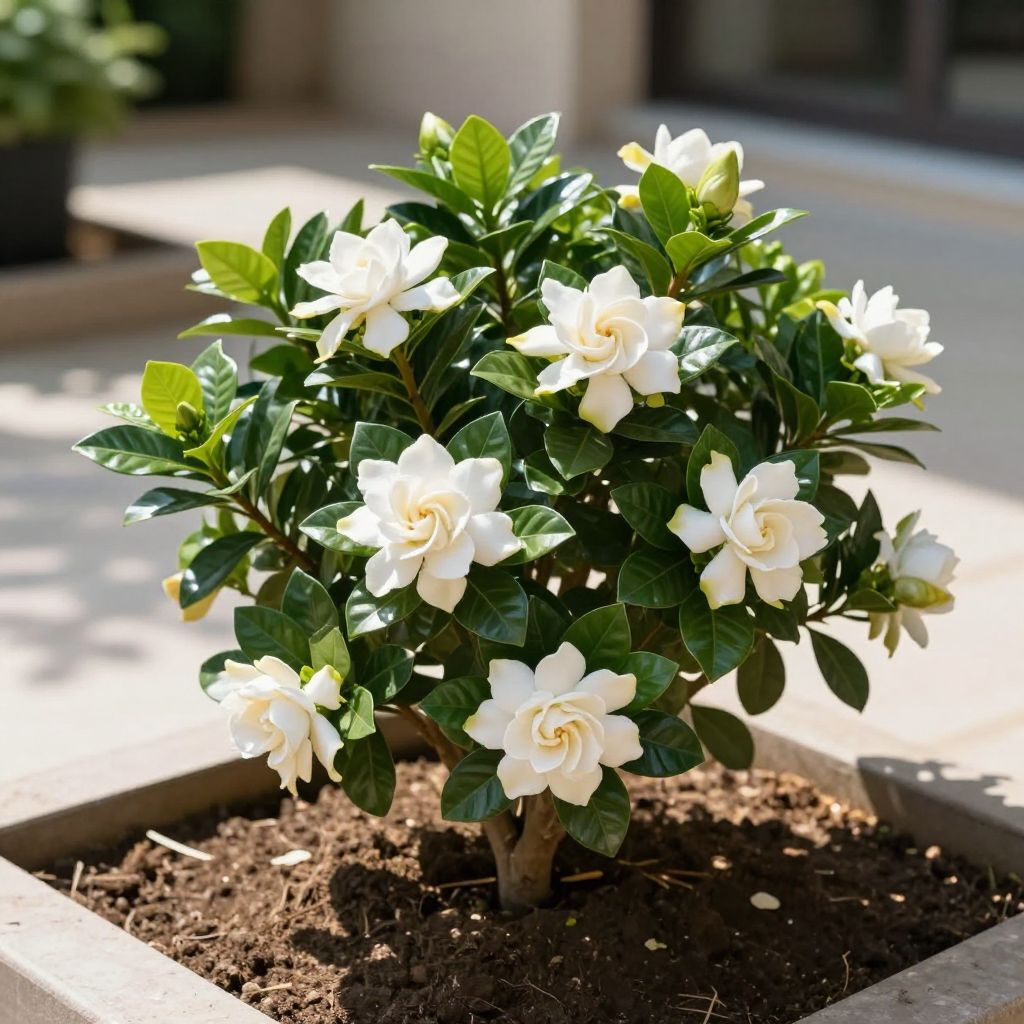
Do gardenias like full sun? They can, but only in the right conditions. In cooler climates, many gardenias bloom best with morning sun and afternoon shade, while intense hot sun can scorch leaves and stress buds. The key is matching light to your local weather, soil moisture, and the specific gardenia variety you’re growing.
If you give gardenias too much harsh sun, they may yellow, wilt, or drop buds. If they get too little light, flowering often becomes sparse. The sweet spot is bright light with protection from the hottest part of the day, especially in warm or inland gardens.
Do gardenias like full sun?
Gardenias can grow in full sun, but they usually prefer partial sun or filtered light, especially in hot regions. In cooler coastal or mild climates, 4 to 6 hours of direct sun may be ideal. In hotter areas, morning sun with afternoon shade usually gives better blooms and healthier foliage.
How much sun gardenias need
Gardenias are flowering shrubs that need enough light to set buds, but not so much heat that they dry out or scorch. The best exposure depends on your climate, soil moisture, and whether the plant is in the ground or a container.
Best light conditions by climate
- Cooler climates: More sun is usually fine, and full sun may help flowering.
- Hot climates: Morning sun and afternoon shade are safer.
- Very humid areas: Bright light with good air movement helps reduce disease pressure.
- Containers: Pots heat up faster, so potted gardenias often need more shade than in-ground plants.
If you are unsure, watch the plant during the hottest part of the day. Leaves that curl, fade, or burn at the edges are telling you the sun is too intense.
Signs your gardenia is getting too much sun
- Leaf scorch or brown patches
- Wilting even when the soil is moist
- Yellowing leaves from heat stress
- Bud drop before flowers open
- Stunted growth in midsummer
Signs it needs more light
- Few or no flower buds
- Leggy growth with long stems
- Pale leaves and weak flowering
- Plant leaning toward brighter light
Choosing the right planting spot
Good placement matters as much as sun exposure. Gardenias do best where they get bright light, shelter from harsh afternoon heat, and enough room for air circulation around the shrub.
Outdoor planting tips
- Choose a spot with morning sun and afternoon shade if summers are hot.
- Avoid reflected heat from walls, driveways, or fences if the area gets intense sun.
- Plant where water drains well after rain, but the soil does not dry out too quickly.
- Give the shrub room to mature without crowding from larger plants.
Near a patio, walkway, or entryway, gardenias can be especially rewarding because their fragrance is easier to enjoy. Just make sure the site does not trap heat or dry wind.
Container growing
In pots, gardenias are easier to move if the sun becomes too strong. Use a container with drainage holes and place it where it gets bright light but protection from the hottest afternoon rays.
- Move pots to a shadier spot during heat waves.
- Use a light-colored container if your climate is very hot.
- Check moisture more often because containers dry faster than garden beds.
Soil, drainage, and moisture matter as much as sunlight
Even the right amount of sun will not save a gardenia planted in poor soil. These shrubs prefer organically rich, slightly acidic soil that drains well but stays evenly moist.
Soil conditions gardenias prefer
- Rich, loamy soil with plenty of organic matter
- Good drainage to prevent root stress
- Slightly acidic pH, if your soil is alkaline
- Consistent moisture without soggy roots
Hot sun makes soil dry faster, so mulch is very helpful. A 2 to 3 inch layer of organic mulch helps keep roots cooler and reduces moisture loss, but keep it a few inches away from the stem.
Watering in sunny spots
Gardenias in full sun usually need more careful watering than those in partial shade. Water deeply when the top inch or two of soil begins to dry, then let excess water drain away.
- Water early in the day when possible.
- Keep moisture even during bud formation.
- Avoid frequent shallow watering, which encourages weak roots.
- Do not let the root zone stay waterlogged.
Dry soil followed by sudden heavy watering can trigger bud drop. A steadier moisture pattern is better, especially during warm weather.
How to care for gardenias in full sun
If you are growing gardenias in a sunnier location, your main job is to reduce stress. That means protecting the plant from heat, keeping soil evenly moist, and avoiding other problems that weaken flowering.
Simple care routine
- Check soil moisture regularly, especially in summer.
- Mulch to conserve water and moderate soil temperature.
- Remove dead or damaged growth after flowering if needed.
- Feed lightly only if the plant shows signs of nutrient deficiency or poor growth.
- Watch for pests and leaf yellowing, which can worsen under stress.
Fertilizing carefully
Overfertilizing a stressed gardenia can do more harm than good. If your soil is already rich, too much feeding may push soft growth instead of healthy blooms. Use a fertilizer suited to acid-loving plants only when the plant truly needs it and follow the label directions.
Pruning and grooming for better flowering
Gardenias usually bloom on older growth, so heavy pruning at the wrong time can remove flower buds. Light shaping is fine, but timing matters.
When to prune
- Prune lightly after the main flowering period.
- Remove dead, damaged, or crossing branches as needed.
- Avoid hard pruning late in the season if buds are forming.
In full sun, pruning can help improve airflow and reduce crowded growth, but do not overdo it. Too much pruning can expose inner stems to even more heat.
Common problems when gardenias get too much sun
Gardenias in full sun often show stress in ways that look like disease or nutrient problems. Before treating anything, check whether the plant is simply getting too much heat or drying out too quickly.
Bud drop
Bud drop is one of the most common complaints. It can happen when the plant experiences sudden changes in moisture, hot afternoon sun, low humidity, or root stress.
What helps: Keep watering even, mulch the root zone, and move container plants to a slightly shadier spot if needed.
Yellow leaves
Yellowing can be caused by sun stress, poor drainage, alkaline soil, or nutrient issues. If the plant is in intense sun and the soil dries quickly, heat stress may be part of the problem.
What helps: Improve moisture consistency, check drainage, and make sure the soil is suitable for acid-loving plants.
Scorched leaves
Brown, crispy patches on leaves usually mean the sun is too harsh or the plant is drying out too fast. This is especially common on south- and west-facing exposures.
What helps: Add afternoon shade, use mulch, and avoid letting the plant wilt repeatedly.
Pests and diseases to watch for
Stress from too much sun can make gardenias more vulnerable to pests and disease. Healthy, well-sited plants are always easier to maintain.
Common pests
- Whiteflies
- Aphids
- Scale insects
- Spider mites in hot, dry conditions
Inspect the undersides of leaves and new growth regularly. If you catch pests early, they are much easier to manage.
Common disease concerns
- Root rot in poorly drained soil
- Leaf spot in crowded, humid conditions
- Bud drop related to environmental stress
Good spacing, proper watering, and enough airflow are often the best prevention. Avoid wetting the foliage late in the day if disease has been a recurring issue.
Can you move a gardenia if the sun is wrong?
Yes, but only if the shrub is still manageable and the season is suitable in your area. Gardenias can be sensitive to root disturbance, so move them carefully and give them time to recover.
Transplanting tips
- Choose a cooler part of the day for the move.
- Dig a wide root ball to reduce shock.
- Replant at the same depth it was growing before.
- Water thoroughly after transplanting.
- Shade the plant temporarily if the new site is hotter.
If moving is not practical, use shade cloth, nearby taller plants, or a container to create a gentler light environment.
Quick answer: full sun or not?
For most gardeners, the safest answer is this: gardenias do best in bright light with protection from harsh afternoon sun. In mild climates, they may handle full sun well. In hot climates, full sun often causes stress unless the plant has excellent soil moisture and some shade during the hottest hours.
Conclusion
If you want strong blooms and healthy foliage, start by matching your gardenia to the right amount of light. Aim for morning sun, bright filtered light, or full sun only if your climate is cool enough to support it. Then keep the soil evenly moist, mulch well, and watch for signs of heat stress so you can adjust early.
For more help with growing fragrant shrubs and improving bloom performance, you may also want to read related garden care guides on planting, pruning, and soil improvement.