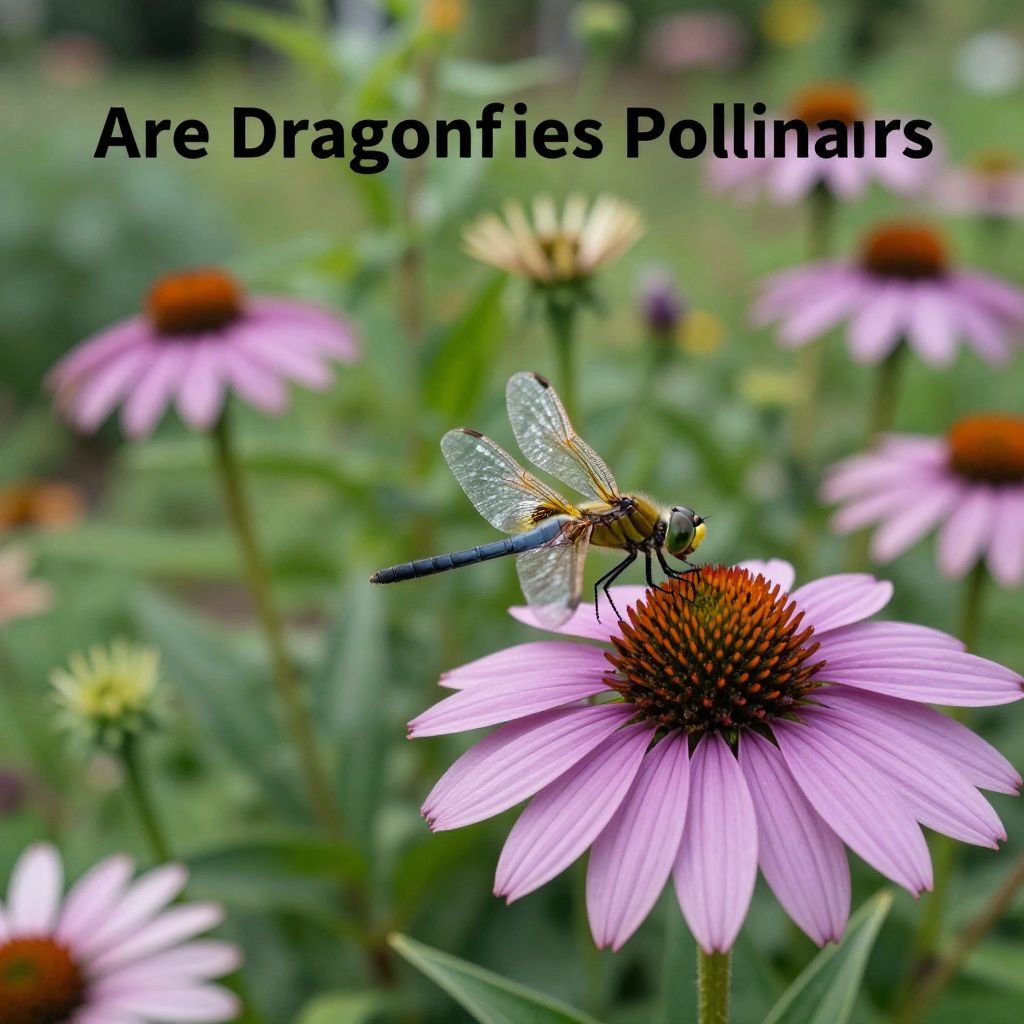
Are dragonflies pollinators? If you’ve seen them hovering around flowers, it’s an easy question to ask. They are common in gardens with water, insects, and plenty of sunny planting, so it helps to know whether they are actually doing the same job as bees and butterflies.
The short answer is no: dragonflies are not true pollinators. They are beneficial garden predators that eat mosquitoes, gnats, and other small flying insects, but they do not intentionally move pollen from flower to flower. Still, you can support dragonflies in a garden by creating the right habitat, especially if you want natural pest control near ponds, borders, and wildlife-friendly planting.
Are dragonflies pollinators?
No. Dragonflies are not considered pollinators because they do not feed on nectar or collect pollen in the way bees, hoverflies, butterflies, and many moths do. They may occasionally brush against pollen while resting on flowers, but that incidental contact does not make them reliable pollinators.
What dragonflies actually do in the garden
Dragonflies are predators, and that is where their real garden value lies. Both the adults and the aquatic nymphs help reduce pest populations, especially around water features and damp areas.
Garden benefits of dragonflies
- They eat flying insects such as mosquitoes, midges, gnats, and small flies.
- They help support a more balanced garden ecosystem.
- They indicate a healthy habitat with water, insects, and nearby vegetation.
- They are especially useful in wildlife gardens and pond plantings.
If you are trying to attract pollinators, dragonflies are a bonus, not the main target. For pollination, focus on nectar-rich flowering plants and a steady bloom sequence through the season.
How to attract dragonflies to your garden
Dragonflies need water to complete their life cycle, so the most effective way to attract them is to create a suitable aquatic habitat. A pond, wildlife pool, or even a large water container can help if it is safe and well maintained.
1. Add a pond or still water feature
A small pond is the best long-term option. Dragonflies lay eggs in or near water, and their young live underwater before emerging as adults.
- Choose a sunny location for at least part of the day.
- Include shallow edges or shelves so wildlife can enter and exit safely.
- Avoid strong fountains or constant agitation if you want dragonflies to breed nearby.
- Use a mix of open water and marginal planting.
Still or gently moving water is usually better than highly turbulent water. Dragonflies need places to perch, hunt, and lay eggs.
2. Plant around the water’s edge
Marginal plants give dragonflies perching spots and shelter. They also help make the pond feel natural and support other beneficial insects.
Good choices often include native or well-adapted moisture-loving plants suited to your region. Aim for a mix of heights and textures rather than a single dense planting.
3. Keep the garden pesticide-light
Broad-spectrum insecticides can reduce the insects dragonflies feed on and may harm dragonflies directly. If you want more wildlife, use the least disruptive pest management approach possible.
- Hand-pick pests when practical.
- Encourage birds, frogs, and predatory insects.
- Use barriers and crop rotation where appropriate.
- Reserve sprays for serious problems and follow label directions carefully.
4. Leave some structure in the landscape
Dragonflies like places to rest and hunt. Tall grasses, reeds, shrubs, and open sunny spaces nearby can make a garden more attractive to them.
Try to balance open flying space with sheltered edges. A pond surrounded by bare paving is usually less inviting than one bordered by layered planting.
Best growing conditions for a dragonfly-friendly garden
Since dragonflies are wildlife, not a crop, the goal is habitat rather than cultivation. Their needs are simple: water, insects, sun, and safe perches.
Sunlight
Most dragonflies prefer warm, sunny areas. A pond in full shade is less likely to support active dragonfly populations than one that receives several hours of sun.
Water quality
Clean water matters, but a perfectly sterile pond is not the goal. Dragonflies benefit from a natural balance of plants and aquatic life.
- Do not over-clean the pond.
- Remove excessive debris if it blocks the water surface completely.
- Avoid fish if your main goal is wildlife breeding, since fish may eat dragonfly larvae.
Plant diversity
Dragonflies do not pollinate flowers, but flowering plants still matter because they support the insects dragonflies hunt and create a healthier garden overall. A diverse planting scheme also helps other pollinators.
Include a mix of native shrubs, perennials, grasses, and flowering plants that suit your soil and climate. The more varied the habitat, the more useful it becomes.
How to support real pollinators alongside dragonflies
If your goal is a productive garden, think of dragonflies as part of the pest-control team and bees, butterflies, and hoverflies as the pollination team. You can support both with thoughtful planting.
Choose flowers that feed pollinators
Look for plants with open, accessible blooms and a long flowering season. Different pollinators prefer different flower shapes, so variety helps.
- Single-flowered forms are often better than heavily doubled blooms.
- Plant in clumps so flowers are easier for insects to find.
- Stagger bloom times from spring through fall where your climate allows.
Provide nesting and shelter
Pollinators need more than flowers. Bare soil, hollow stems, leaf litter, and undisturbed corners can all support beneficial insects.
Try not to over-tidy the garden. A perfectly stripped landscape can look neat, but it often offers less habitat for wildlife.
Common mistakes when trying to attract dragonflies
Many gardeners unintentionally make a pond less attractive to dragonflies. A few simple adjustments can make a big difference.
Too much fish pressure
Fish can be useful in some ponds, but they may reduce dragonfly larvae. If dragonflies are the priority, keep fish out of small wildlife ponds.
No sunny perches
Dragonflies need warm places to rest. Dense shade, overgrown water surfaces, or a lack of emergent stems can limit activity.
Overuse of chemicals
Insecticides, herbicides, and even some pond treatments can disrupt the food web. Use targeted, minimal interventions and choose wildlife-safe options whenever possible.
Only decorative water, no habitat
A fountain with no planting, no shallow edge, and no nearby insects is less useful than a simple wildlife pond. Dragonflies need a whole habitat, not just water in a container.
Seasonal care for a dragonfly-friendly garden
Seasonal maintenance should protect the pond while keeping the garden functional. Small, timely tasks work better than major cleanouts.
Spring
Check pond edges, remove winter debris gradually, and divide or replant marginal plants if needed. As temperatures rise, dragonflies become more active and may begin using the site for breeding.
Summer
Keep water levels stable if possible, especially during hot, dry weather. Top up slowly with rainwater or dechlorinated water when needed, and avoid sudden drastic changes.
Autumn
Let some plant stems remain standing if they are not diseased or unsafe. These can provide structure and shelter for wildlife.
Winter
Do not fully drain a pond unless necessary. In mild climates, overwintering dragonfly stages may depend on stable water conditions.
Troubleshooting: if you are not seeing dragonflies
Sometimes a garden has water but still does not attract dragonflies. That usually means one or more habitat pieces are missing.
- No nearby breeding habitat: Dragonflies may need larger connected wetlands or better-established ponds.
- Too little sun: Increase light exposure if possible by pruning back overhanging growth.
- Poor insect supply: Reduce pesticide use and increase plant diversity.
- Fish or predators: Consider whether pond fish are limiting larvae survival.
- New pond: It may take time for wildlife to find and use a new water feature.
Patience matters. A wildlife pond often improves over time as plants establish and the local insect community settles in.
Simple takeaways for gardeners
Dragonflies are not pollinators, but they are valuable garden allies. They help control flying pests and add life and movement to ponds and borders. If you want more dragonflies, focus on sunny water, native planting, and low-chemical maintenance. If you want more pollination, plant for bees and butterflies too.
For more wildlife-friendly gardening ideas, you may also enjoy reading about how to build a pollinator garden and choosing the best pond plants for a backyard habitat.