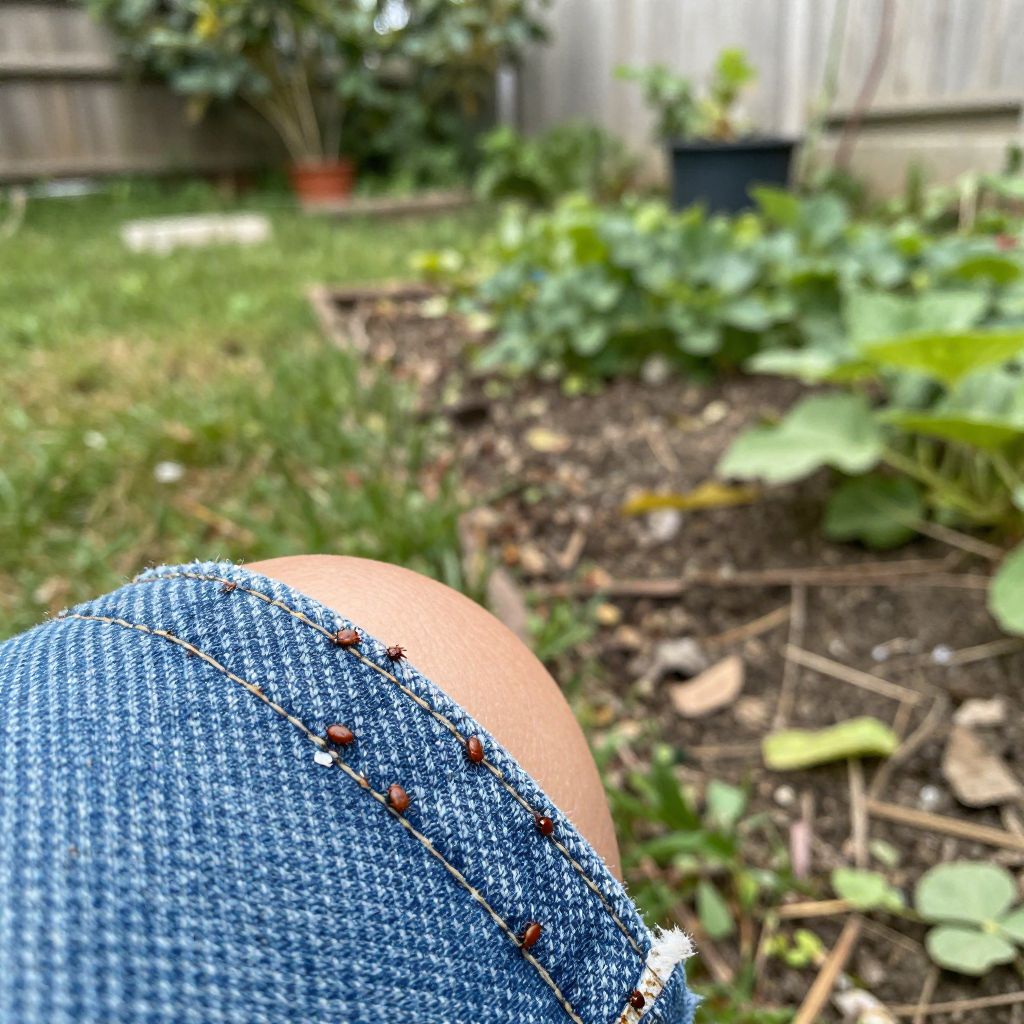
Seeing tiny “seed ticks” in the garden can be alarming, especially when you’re not sure whether they’re harmless specks or a real pest problem. If you’ve noticed clusters of tiny moving dots on plants, in mulch, or around outdoor seating, it helps to identify them correctly before you react.
Seed ticks are the immature stage of ticks, not a plant pest, but they can show up in garden spaces where wildlife, tall grass, leaf litter, and moist shelter overlap. Knowing how to spot them, reduce habitat, and protect yourself and pets is the key to handling them safely.
What are seed ticks?
Seed ticks are newly hatched ticks in their larval stage. They are extremely small, often appearing as reddish, tan, or dark specks that gather in clusters on vegetation, soil surface, patio edges, or clothing. They do not damage plants, but they can bite people and animals, so they matter in garden spaces.
How to identify seed ticks in the garden
Seed ticks are easy to confuse with dirt, pollen, or tiny insects until they move. A close look with a hand lens or phone camera often helps, especially if they are clustered together on a stem, leaf edge, fence post, or near the ground.
Common identification clues
- Very small size: often pinhead-sized or smaller.
- Cluster behavior: they may gather in groups on low vegetation or surfaces.
- Eight-legged later stages nearby: larval ticks have six legs, while nymphs and adults have eight.
- Slow crawling movement: they do not hop or fly.
- Found near habitat edges: brush, tall grass, leaf litter, woodpiles, and wildlife paths.
What they are not
- Not plant pests: they do not chew leaves or roots.
- Not aphids: aphids are soft-bodied and usually cluster on tender plant growth.
- Not mites: many mites are plant feeders and are often found on leaf undersides with webbing or stippling damage.
Where seed ticks come from in outdoor spaces
Ticks are part of the broader landscape, not something that starts in your soil mix or compost pile. Seed ticks usually appear where wildlife, pets, and people move through sheltered outdoor areas, especially where humidity and cover help them survive.
Garden conditions that can attract ticks
- Tall grass or unmown borders
- Leaf litter and dense groundcover
- Brushy edges near woods, fields, or fences
- Stacked firewood, debris, or unused garden materials
- Shady, moist areas with limited airflow
- Frequent wildlife traffic from deer, rodents, rabbits, or birds
If your garden borders a natural area, you may see more tick activity in spring through early fall, though local climate and weather strongly affect timing. Warm, humid conditions generally increase outdoor tick pressure.
Are seed ticks harmful to plants?
No. Seed ticks are not a plant disease and do not feed on plant tissue. The main concern is human and pet exposure, not leaf damage, root loss, or reduced plant growth. If plants look unhealthy, the cause is more likely to be drought stress, insects, fungal disease, nutrient issues, or physical damage.
How to tell plant damage from tick activity
- Tick presence: tiny moving specks on stems, clothing, pets, or garden edges.
- Plant pest damage: stippling, holes, curling, honeydew, webbing, or distorted growth.
- Soil issues: wilting despite watering, poor drainage, or root rot symptoms.
What to do if you find seed ticks in your yard or garden
The best approach is to reduce habitat, protect skin and pets, and avoid disturbing them directly with bare hands. You usually do not need to treat the whole garden, but you may need to manage the areas where they are most likely to hide.
Step-by-step control plan
- Identify the hotspot. Check the edges of beds, tall grass, shaded borders, and areas where pets rest.
- Clear the habitat. Rake leaf litter, trim overgrown weeds, and remove brush piles or yard debris.
- Improve airflow and light. Thin dense groundcover where practical and keep lawn edges neat.
- Create a barrier. A strip of wood chips, gravel, or mown turf can reduce movement from wooded areas into garden paths.
- Manage wildlife attractants. Secure trash, remove fallen fruit, and limit food sources that draw rodents or deer.
- Inspect after outdoor work. Check clothing, shoes, pets, and exposed skin after gardening.
What not to do
- Do not assume a pesticide spray is the first or only solution.
- Do not handle clusters with bare fingers.
- Do not ignore them if children or pets use the area regularly.
- Do not overwater shady borders hoping it will “wash them away.” Excess moisture can make the area more favorable for many pests.
How to make your garden less attractive to ticks
Tick reduction is mostly about landscape maintenance. A tidy, open, well-managed garden is less inviting than a damp, overgrown edge with leaf litter and hidden shelter.
Practical garden maintenance tips
- Mow regularly and keep grass from growing into paths and bed edges.
- Prune dense shrubs to improve light and airflow near the ground.
- Remove leaf litter from beds, borders, and under hedges where feasible.
- Store mulch and compost neatly and avoid leaving piles where wildlife can nest.
- Keep seating areas away from brushy edges and tall vegetation.
- Use clean, defined borders between lawn, beds, and wild areas.
Mulch and compost considerations
Mulch itself does not cause seed ticks, but thick, undisturbed, damp organic layers near brushy edges can offer shelter. Keep mulch a few inches away from plant crowns and avoid letting it build up against fences or structures where rodents may hide.
Compost should be managed carefully as well. Turn it regularly, keep it contained, and avoid creating loose debris piles that attract wildlife. Well-run compost is less likely to become a shelter than a neglected heap.
Protecting yourself while gardening
If you garden in an area where ticks are common, personal protection is just as important as yard cleanup. Seed ticks are small enough to go unnoticed, so prevention matters more than trying to spot them after the fact.
Simple protective habits
- Wear long sleeves, long pants, and closed shoes in brushy areas.
- Choose light-colored clothing so tiny ticks are easier to see.
- Tuck pants into socks when working in tall grass or weedy edges.
- Stay on paths and avoid brushing against dense vegetation.
- Check clothing, gloves, and skin after gardening.
- Inspect pets before letting them back into the house or car.
After time outdoors, showering and changing clothes can help remove ticks before they attach. If you find a tick on skin, remove it promptly with fine-tipped tweezers by grasping close to the skin and pulling steadily upward.
When to get help
Most garden situations can be handled with habitat cleanup and better maintenance, but persistent tick problems may need more attention if the area borders woods or supports heavy wildlife traffic. If you have repeated encounters despite cleanup, consider contacting a local extension office or licensed pest professional familiar with tick management in your region.
Signs you may need extra support
- Frequent tick encounters in properly maintained areas
- Heavy deer, rodent, or rabbit activity near the garden
- Children or pets regularly using the space
- Large brushy borders that are difficult to manage alone
Common mistakes gardeners make with seed ticks
One of the biggest mistakes is treating seed ticks like a plant disease or a leaf-eating insect. That leads to the wrong fix and delays the real solution, which is habitat management and personal protection.
- Confusing them with plant pests and spraying the wrong area.
- Leaving tall grass and leaf litter along fence lines and paths.
- Ignoring pets after they’ve been in brushy areas.
- Assuming one cleanup is enough when maintenance needs to be ongoing.
- Overlooking wildlife access to gardens and compost areas.
Conclusion
Seed ticks are tiny immature ticks that matter because of the bite risk, not because they harm your plants. Focus on trimming overgrowth, removing leaf litter, keeping borders tidy, and checking yourself and pets after garden work. If you want to reduce the chance of future encounters, start with the shadiest, brushiest edge of your yard today.
If you’d like to improve overall garden hygiene and reduce pest hiding places, consider reading more about garden pest control basics and how to use mulch effectively.