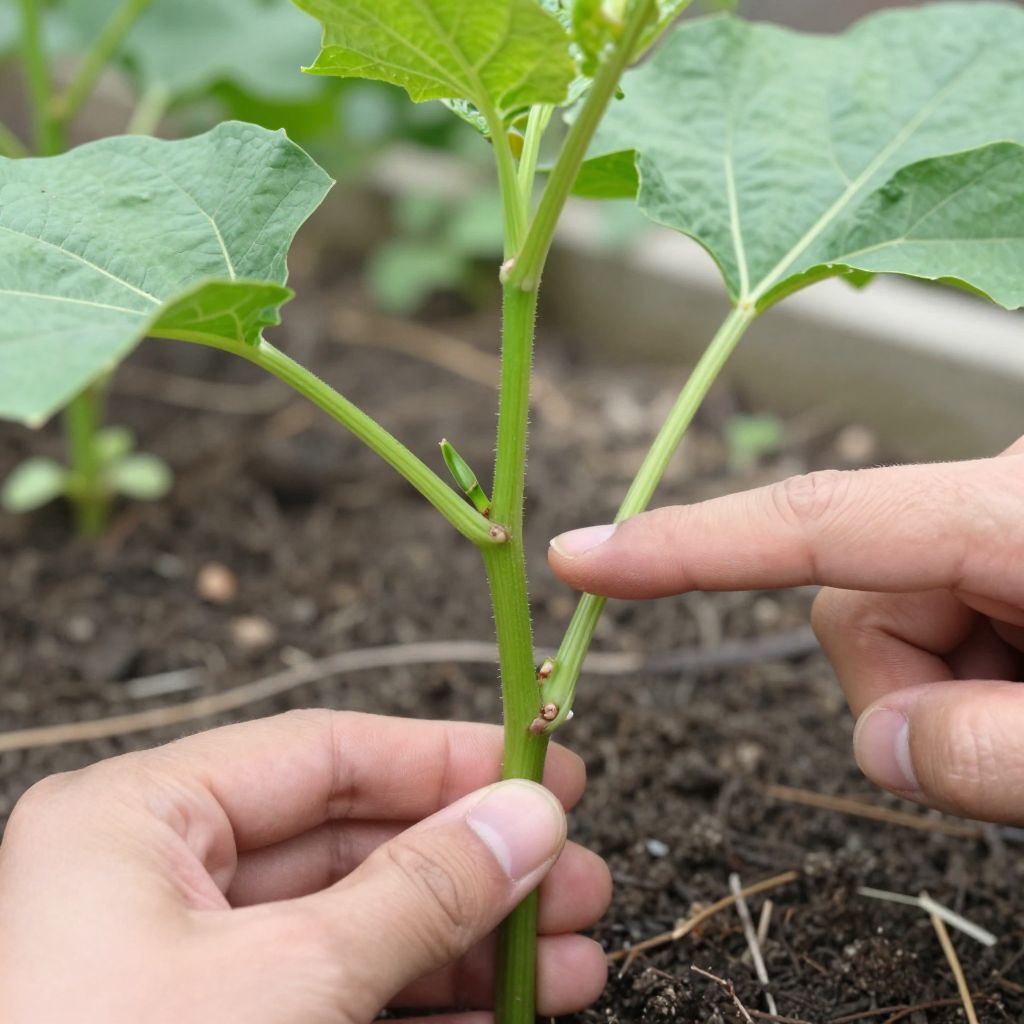
What is a node on a plant, and why does it matter when you prune, propagate, or train a stem? If you have ever looked at a houseplant, herb, or shrub and noticed little bumps or joints along the stem, you have already found nodes.
Understanding nodes helps you make better cuts, root cuttings successfully, and avoid damaging the parts of a plant that produce leaves, buds, and new growth. Once you know what to look for, node identification becomes one of the simplest and most useful plant skills.
What is a node on a plant?
A node is the point on a stem where leaves, buds, branches, or aerial roots attach. It is the plant’s growth junction, and it is where new shoots often emerge after pruning or where roots can form on cuttings. The spaces between nodes are called internodes.
How to identify a node on a stem
Look along the stem for a slight swelling, ring, leaf scar, bud, or place where a leaf joins the stem. On many plants, nodes are easy to see; on others, they are subtle and may sit just under a leaf stalk or at a branch junction.
What nodes usually look like
- Leaf attachment points where a petiole meets the stem
- Small bumps or buds that can grow into new shoots
- Branching points on woody plants
- Aerial root nubs on some vining houseplants
- Ringed joints on grasses and bamboo-like stems
Nodes vs. internodes
The node is the joint; the internode is the stem section between joints. If you are taking a cutting, you usually want at least one node because that is where roots and new growth are most likely to develop.
Why nodes matter for pruning and propagation
Nodes are important because they contain dormant buds and active growth tissue. When you prune just above a node, the plant often responds by pushing new growth from that point. When you propagate, roots commonly form from nodes rather than from the middle of a bare stem.
Pruning at the right spot
For many plants, make your cut just above a node that faces the direction you want new growth to go. This helps shape the plant and reduces the chance of leaving a long, unattractive stub.
- Cut just above a node, not through it.
- Leave enough stem so the node is not damaged.
- Use clean, sharp pruners to avoid crushing tissue.
Taking stem cuttings
Most soft-stemmed and many woody plants root best when the cutting includes one or more nodes. Remove lower leaves so a node can sit in water, moist potting mix, or another rooting medium without rotting.
- Choose a healthy, non-flowering stem if possible.
- Cut below a node with clean pruners or a sharp knife.
- Remove leaves from the lower nodes.
- Place one or more nodes in water or moist propagation mix.
- Keep the cutting warm, bright, and out of harsh direct sun.
Where nodes are found on different types of plants
Nodes appear on nearly all plants, but they can look different depending on the plant type. Learning the pattern for the plants you grow makes identification much easier.
Houseplants and vining plants
On pothos, philodendron, monstera, and similar vines, nodes are often visible as small bumps or thicker sections along the stem. These are the points where leaves and aerial roots emerge, making them ideal spots for cuttings.
Herbs and soft-stemmed plants
Basil, mint, coleus, and many other soft-stemmed plants have obvious nodes where pairs of leaves emerge. These plants often branch well after pinching or cutting just above a node.
Woody shrubs and trees
On woody plants, nodes may appear as buds, leaf scars, or slight swelling along the stem. In winter, when leaves are gone, buds at the nodes are often the easiest way to locate them.
Grasses and cane-like plants
Grasses and cane-forming plants have distinct nodes that may look like raised rings along the stem. Bamboo-like plants and some ornamentals use these joints for support and growth.
How to use nodes when propagating plants
If you want to multiply a plant, nodes are the key. A cutting without a node may survive for a while, but it is much less likely to root and grow into a new plant.
Water propagation
For many houseplants, placing a node in water is an easy way to start roots. Change the water regularly and keep at least one node submerged while keeping the leaves above the waterline.
Soil propagation
In a moist, airy propagation mix, nodes can root without the stress of moving from water to soil later. This often works well for herbs, vines, and many tender ornamentals.
Layering and training
Some plants can root where a node touches soil or a moist growing medium. This is useful for trailing plants, climbers, and flexible stems that can be pinned down without breaking.
- Use a potting mix that drains well and stays lightly moist.
- Keep the node in close contact with the medium.
- Provide bright, indirect light for indoor cuttings.
- Avoid soggy conditions that encourage rot.
Common mistakes when working with nodes
Most node-related problems come from cutting in the wrong place or misunderstanding where new growth will form. A little care goes a long way.
Cutting too far from the node
If you prune several inches above a node, the leftover stem can dry back and look untidy. Make cleaner cuts close to the node without injuring it.
Damaging the node itself
A crushed, split, or broken node may not produce strong new growth. Use sharp tools and avoid bending stems sharply when taking cuttings.
Using a stem section with no nodes
Many beginners try to root a stem piece that has only internodes. If there is no node, there is usually no bud tissue to produce roots or new shoots.
Letting nodes stay too wet
Nodes need moisture for rooting, but too much water can cause rot, especially in cool or low-light conditions. Good airflow and a clean medium help prevent problems.
How nodes affect plant health and growth
Nodes are not just useful for propagation; they also influence the shape and vigor of a plant. Where nodes sit on the stem affects branching, leaf spacing, and how a plant responds to pruning.
Short internodes vs. long internodes
Plants with short internodes look compact and bushy. Long internodes often mean the plant is stretching for light, especially indoors where light may be weaker than outdoors.
Signs your plant may need more light
- Stems stretching toward a window
- Leaves spaced far apart
- Weak, floppy growth
- Pale color or reduced leaf size
If you see these signs, move the plant to brighter light gradually. Sudden exposure to intense sun can scorch leaves, especially on indoor plants.
Practical tips for beginners
Once you can find a node, you can make smarter pruning and propagation choices. These simple habits make a big difference.
- Inspect stems before cutting so you know where the nodes are.
- Use clean tools to reduce disease spread.
- Match the method to the plant; not every plant roots the same way.
- Keep cuttings in suitable light rather than full sun unless the plant prefers it.
- Watch for new buds after pruning, since nodes often activate growth.
When nodes can help you solve plant problems
Nodes are useful clues when a plant is recovering from damage, becoming leggy, or losing leaves. If a stem has healthy nodes, it may still be able to resprout even if some leaves are gone.
Recovering from pruning
After a hard prune, new shoots often emerge from nodes below the cut. Keep the plant watered appropriately and give it enough light to support regrowth.
Reviving a leggy plant
Cutting back above a healthy node can encourage branching and a fuller shape. This is especially helpful with herbs and many indoor foliage plants.
Saving a damaged stem
If the tip is broken, check whether lower nodes are still healthy. A stem with intact nodes may still be suitable for propagation or regrowth.
Conclusion: learn the node, improve your gardening
Knowing what a node on a plant is will make pruning, pinching, and propagation much easier. The next time you inspect a stem, look for the joints where leaves and buds emerge, then use that point to guide your cut or cutting.
For more plant-care basics that build on this skill, you may also find it helpful to read about how to prune houseplants and how to propagate plants from cuttings.