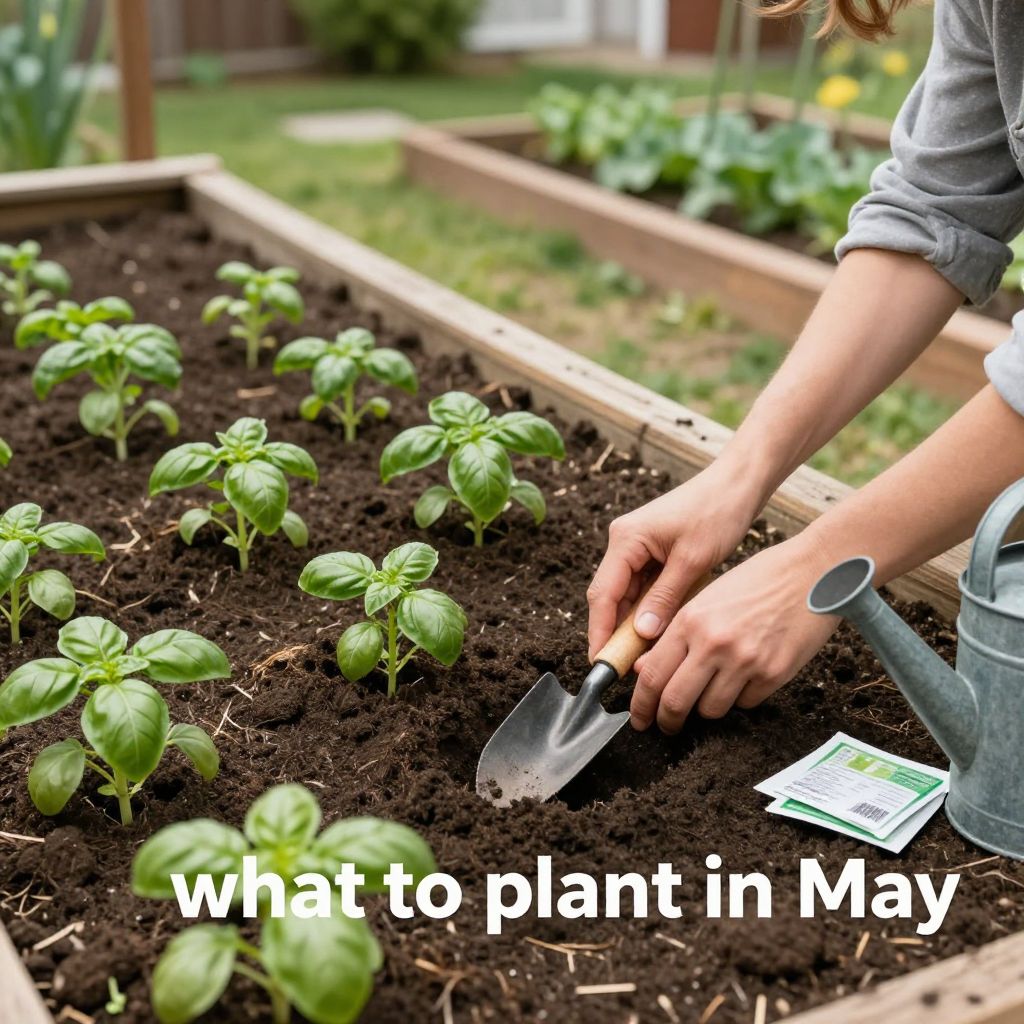
What to plant in May depends on your climate, but for many gardeners this is a prime month for sowing warm-season crops, setting out tender plants, and finishing spring planting before summer heat arrives. It is also a good time to refresh beds, improve soil, and stay ahead of weeds and pests.
If you garden in a cooler region, May may still be a transition month; in warmer areas, it can already feel like early summer. The key is to match each plant to your local frost date, soil temperature, and sun exposure so young plants establish well.
What to plant in May?
In May, you can usually plant warm-season vegetables such as tomatoes, peppers, beans, cucumbers, squash, and sweet corn once frost risk has passed and soil has warmed. It is also a good time for annual flowers, herbs, and many container plants, while cool-season crops may still succeed in cooler climates or partial shade.
Best vegetables to plant in May
May is often the main planting month for heat-loving vegetables. If your soil is workable and nighttime temperatures are reliably mild, these crops usually establish quickly and grow strongly.
Warm-season vegetables to sow or transplant
- Tomatoes – transplant seedlings after frost danger passes and nights are consistently mild.
- Peppers – need warm soil and steady heat; they dislike cold, wet ground.
- Eggplant – plant out only when nights are warm and growth can continue without stress.
- Beans – direct sow bush or pole beans once soil is warm enough for quick germination.
- Cucumbers – sow directly or transplant carefully into warm, fertile soil.
- Summer squash and zucchini – fast growers that prefer rich soil and full sun.
- Sweet corn – direct sow in blocks for better pollination, if your season is long enough.
- Melons – best in warm regions or with a long, hot summer.
Cool-season crops that may still work
In cooler climates, May can still be suitable for crops that tolerate mild weather, especially if you can provide some afternoon shade or choose a sheltered bed.
- Lettuce
- Spinach
- Radishes
- Beets
- Carrots
- Swiss chard
- Peas, in cooler areas early in the month
Tip: If your region heats up quickly in May, focus on heat-tolerant crops and avoid sowing cool-season greens in full sun unless you can keep them evenly moist.
What flowers to plant in May
May is an excellent month for filling borders, containers, and beds with color. Many annuals and tender perennials can go in now, especially after the last frost date in your area.
Annual flowers for beds and containers
- Marigolds
- Zinnias
- Cosmos
- Petunias
- Impatiens, for shade
- Snapdragons, in cooler areas
- Sunflowers, direct sown in place
- Nasturtiums
Perennials and pollinator-friendly plants
Many perennials can be planted in May as long as you water them well while they settle in. This is also a good time to add bee- and butterfly-friendly plants if the soil is workable and drainage is decent.
- Coreopsis
- Bee balm (Monarda)
- Echinacea
- Salvia
- Lavender, in well-drained soil
- Yarrow
For containers, choose plants with similar light and water needs. A sunny pot of zinnias and herbs will not perform well if paired with shade-loving impatiens.
Herbs to plant in May
Herbs are some of the easiest plants to add in May, especially if you want quick harvests near the kitchen. Many herbs prefer warmth and do best once frost has passed.
- Basil
- Cilantro, in cooler weather or partial shade
- Dill
- Parsley
- Chives
- Mint, best kept in a pot because it spreads aggressively
- Rosemary, in warm climates or containers that can be protected from cold
- Thyme
Important: Basil is very sensitive to cold. If nights are still chilly, keep it in pots and move it under cover when needed.
How to prepare soil before planting
Good soil preparation matters as much as the plant choice. May planting succeeds best in loose, fertile soil that drains well but still holds enough moisture for roots to establish.
- Check soil condition. It should be crumbly, not sticky or waterlogged.
- Remove weeds. Pull them before planting so young crops do not compete for water and nutrients.
- Add compost. Work in 1 to 2 inches of finished compost for most beds if the soil is poor or tired.
- Loosen compacted soil. Use a fork or spade to open the top layer without overworking wet ground.
- Level and water. Lightly water the bed before planting if the soil is dry, especially for transplants.
If your soil drains slowly, raise the bed slightly or plant on mounds for crops that hate wet roots, such as peppers, cucumbers, and squash. In heavy clay, avoid digging when the soil is sticky, because that can worsen compaction.
How to plant successfully in May
Whether you are sowing seeds or setting out seedlings, the first few weeks decide how well your plants establish. Gentle handling and the right spacing make a big difference.
Direct sowing seeds
Direct sowing works well for beans, corn, carrots, beets, radishes, cucumbers, squash, and many flowers. Follow the packet depth and spacing, because planting too deep can delay emergence.
- Make shallow rows or holes.
- Keep the seedbed evenly moist, not soaked.
- Thin seedlings early so crowded plants do not become weak and spindly.
- Mark rows clearly to avoid disturbing seedlings while weeding.
Transplanting seedlings
Transplants need a careful transition from pot to garden. May sun can be strong, so harden off seedlings before planting them outside full-time.
- Set seedlings outdoors in shade for a few hours the first day.
- Increase outdoor time gradually over 7 to 10 days.
- Plant in the evening or on a cloudy day if possible.
- Water immediately after planting to settle the soil around the roots.
- Mulch lightly once the soil has warmed.
Do not skip hardening off. Tender seedlings moved straight from indoors to hot sun often scorch, wilt, or stall for days.
Sunlight, spacing, and watering needs
May planting works best when each crop gets the conditions it prefers. Sun, spacing, and moisture are the three most common factors that determine success.
Sunlight
- Full sun is best for tomatoes, peppers, beans, corn, squash, cucumbers, zinnias, and most herbs.
- Partial shade can help lettuce, spinach, cilantro, and impatiens in warmer climates.
Spacing
Give plants room to grow. Crowding reduces airflow, encourages disease, and makes harvesting harder later on.
- Tomatoes need support and space for airflow.
- Squash and cucumbers need room to spread or a trellis.
- Beans and corn should be planted in blocks or grouped rows for better pollination and support.
Watering
New plantings need consistent moisture until roots spread into the surrounding soil. Water deeply rather than giving frequent light sprinkles, which only wet the surface.
- Check soil with your finger; water when the top inch begins to dry for most young plants.
- Water at the base of plants to keep leaves dry and reduce disease.
- Mulch after the soil has warmed to help hold moisture and suppress weeds.
Common problems when planting in May
May can bring rapid growth, but it can also bring setbacks if the weather turns hot, wet, or unexpectedly cold. Knowing the likely problems helps you respond quickly.
Late frost or cold nights
A surprise frost can damage tender plants like tomatoes, basil, and peppers. Keep row cover, cloches, or old sheets ready if your area still has a frost risk.
Slow germination
Seeds may sit in cold soil too long and rot instead of sprouting. If the soil is still cool, wait a little longer or use transplants for warm-season crops.
Leggy seedlings
Seedlings grown indoors too long often become tall and weak. Plant them deeper where appropriate, and give them stronger light before moving them outside.
Pests
Young plants attract aphids, slugs, flea beetles, cutworms, and caterpillars. Inspect leaves often, especially after rain or during warm spells.
- Use hand-picking for larger pests.
- Protect seedlings with collars against cutworms.
- Keep beds weed-free to reduce hiding places.
- Encourage beneficial insects by planting flowers nearby.
Fungal disease
Wet leaves, poor spacing, and crowded beds can lead to mildew, blight, and damping off. Improve airflow, water at soil level, and remove affected debris promptly.
May garden maintenance that supports new plantings
Planting in May is only part of the job. A little maintenance now helps the garden stay productive through summer.
- Mulch around established plants after the soil warms.
- Stake or cage tomatoes early so roots are not disturbed later.
- Weed regularly while weeds are small.
- Feed lightly only if your soil needs it; too much nitrogen can cause leafy growth with fewer flowers or fruits.
- Check containers daily in warm weather, since pots dry out faster than beds.
What to plant in May by garden type
Vegetable beds
Focus on warm-season crops, succession sowings of quick greens in cooler regions, and support structures for climbing plants.
Flower borders
Plant annuals for instant color, fill gaps with perennials, and deadhead early blooms to encourage continued flowering.
Containers and patios
Use compact vegetables, herbs, trailing flowers, and plants matched to the pot size. Make sure containers have drainage holes and a quality potting mix, not garden soil.
Raised beds
Raised beds warm up faster than in-ground soil, so they are often ideal for May planting. They also drain well, which helps warm-season crops get off to a strong start.
Final planting checklist for May
Before you plant, ask yourself a few simple questions: Has frost passed? Is the soil warm enough? Does the plant have enough sun and room? If the answer is yes, May is a great time to get growing.
- Choose plants suited to your local climate and last frost date.
- Prepare soil with compost if needed.
- Plant on a mild day or in the evening.
- Water well after planting.
- Mulch, monitor pests, and protect tender crops from cold snaps.
If you want to keep planning your garden, it can help to read more about seasonal sowing and bed preparation so you can match each crop to the right time and conditions.