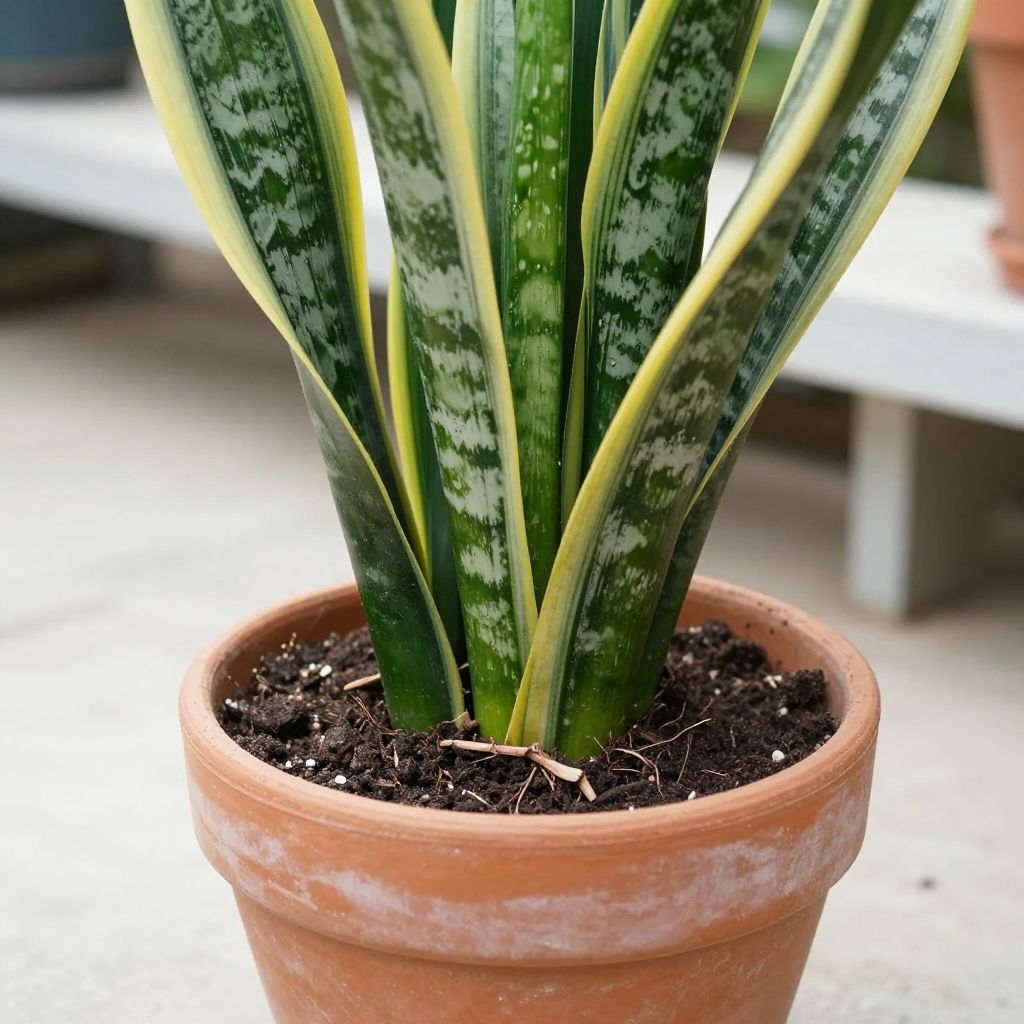
Do snake plants like to be root bound? Yes—more than many houseplants, in fact. Sansevieria (now often classified as Dracaena trifasciata) usually grows best when its roots have a little room to fill the pot before you move it up a size.
That does not mean you should leave it cramped forever. A mildly tight pot can encourage steady growth and fewer watering problems, but a severely crowded root ball can slow the plant down, split the pot, or lead to poor drainage and rot.
Do snake plants like to be root bound?
Snake plants generally tolerate and often prefer being slightly root bound. A snug pot helps the soil dry at a healthy pace, which suits this drought-tolerant plant. If the roots are tightly packed but still healthy, the plant may stay compact and grow well. If the pot is bulging or the soil stays dry too fast, it is time to repot.
Why a slightly tight pot often suits snake plants
Snake plants store water in thick leaves and rhizomes, so they do not need a large root zone to thrive. In a pot that is only a little larger than the root system, the plant is less likely to sit in wet soil for too long.
That is one reason snake plants are often easier to manage in smaller containers than in oversized pots. Too much extra soil around the roots can hold moisture longer than the plant can use it.
What “root bound” means for this plant
A mildly root-bound snake plant has roots circling the pot and a dense root mass, but the plant still looks healthy. It may even send up new leaves slowly and steadily.
A severely root-bound plant is different. The roots may fill the pot completely, push through drainage holes, or form a hard, tangled mat that makes watering difficult.
Signs your snake plant is ready for a bigger pot
Look for a mix of root and growth clues instead of repotting on a calendar alone. Snake plants often stay happy in the same container for a long time, especially indoors.
- Roots are growing out of the drainage holes.
- The pot feels crowded or may even crack or bulge.
- Water runs straight through the pot very quickly.
- The plant dries out unusually fast after watering.
- Leaves are leaning, splitting the pot, or the plant seems unstable.
- Growth has stalled for a long time despite good light and care.
One sign by itself does not always mean repotting is urgent. For example, a plant in bright light may dry faster than one in lower light, even if the roots are not especially crowded.
Signs the plant is too root bound
Some crowding is fine, but extreme root binding can cause stress. If the root mass becomes too dense, water may not soak in evenly and the plant may become harder to keep healthy.
- The root ball is so tight that water beads off the surface.
- Leaves wrinkle, yellow, or collapse after inconsistent watering.
- The plant topples easily because the root mass is cramped.
- Soil has broken down into a compact, stale mix.
- You can see roots circling in a thick mat at the top of the pot.
When this happens, the issue is not that snake plants dislike being snug. It is that the pot has become too restrictive for normal water movement and root health.
When to repot a snake plant
Repot when the container is clearly too crowded, the soil has degraded, or the plant is becoming unstable. Many snake plants only need repotting every 2 to 4 years, and some can stay longer if they are still growing well.
Choose a time when the plant is actively growing, usually in spring or early summer in many climates. If your home is cool or light levels are low, wait until conditions improve rather than repotting during stress.
Best pot size to choose
Move up only one pot size at a time. A container that is about 1 to 2 inches wider than the old one is usually enough for most indoor snake plants.
Going too large is a common mistake. Extra soil stays wet longer, which increases the risk of root rot.
How to repot a root-bound snake plant
Repotting is straightforward if you work gently and use a well-draining mix. Snake plants dislike soggy soil more than they dislike a snug pot.
- Water lightly a day or two before repotting if the soil is bone dry and compacted.
- Choose a pot with drainage holes.
- Use a fast-draining mix, such as cactus/succulent soil amended with perlite or pumice.
- Slide the plant out and inspect the roots.
- Trim only dead, mushy, or rotten roots with clean tools.
- If needed, gently loosen a few circling roots, but do not tear the whole root ball apart.
- Set the plant at the same depth it was growing before.
- Backfill with fresh mix and firm lightly.
- Wait a few days before watering if the roots were disturbed significantly.
Do not bury the crown deeper than before. Snake plants can rot if the base sits too low in wet soil.
What soil and pot work best
The best container for a snake plant is one with drainage holes and a stable base. Terra cotta can be helpful because it allows moisture to evaporate more quickly, but plastic or glazed pots can also work if you are careful not to overwater.
Use a gritty, airy potting mix. A good blend should drain quickly while still holding enough moisture for the roots to absorb between waterings.
Good mix qualities
- Fast drainage
- Light texture
- Good airflow around roots
- Low risk of staying wet for long periods
If your snake plant is already root bound, a heavy all-purpose potting soil can make the problem worse by holding too much water around the crowded roots.
Watering a root-bound snake plant
Root-bound snake plants often need water slightly more often than plants in larger pots, but they still prefer drying out between waterings. The key is to check the soil rather than following a fixed schedule.
Water only when the potting mix is dry several inches down, or nearly dry throughout the pot for smaller containers. In bright light and warm rooms, this may happen sooner than in cool, low-light spaces.
Common watering mistakes
- Watering on a strict weekly schedule
- Leaving the pot in a saucer of water
- Using a pot without drainage holes
- Trying to “fix” a crowded pot with more frequent watering
If a root-bound plant seems to dry out too fast, do not automatically increase watering frequency. First check whether the pot is too small, the soil has broken down, or the roots have filled the container so tightly that water is running around the edges.
Light, growth, and root-bound plants
Snake plants handle low light better than many houseplants, but they grow best in bright, indirect light. In better light, they may fill a pot faster and eventually need repotting sooner.
In lower light, growth slows and the plant may stay in the same pot for years. That is normal, as long as the leaves stay firm and the soil is not staying wet too long.
How light affects repotting needs
- Bright indirect light: faster growth, more frequent repotting needs
- Moderate light: steady growth, moderate repotting intervals
- Low light: slower growth, less frequent repotting, but higher risk of overwatering
Pruning, dividing, and propagation
Root-bound snake plants often produce offsets, or pups, from underground rhizomes. If the plant is crowded, division can be a useful way to reduce congestion and create new plants.
You can also propagate healthy leaf sections, but division is usually the quickest way to keep the parent plant compact and manageable.
When to divide
Divide when the clump is overcrowded, the pot is cracking, or you want to make smaller plants for other containers. Each division should have roots and at least one healthy growing point.
Simple division steps
- Remove the plant from the pot.
- Find natural sections of rhizome and roots.
- Separate the clump with a clean knife or by hand if it loosens easily.
- Pot each section into a small, well-draining container.
- Keep newly divided plants on the dry side for the first week or two.
Do not divide a stressed plant unless you need to. If the leaves are already soft, yellowing, or damaged, repotting into fresh mix may be safer than splitting it up.
Pests and diseases in crowded snake plants
Root-bound plants are not automatically unhealthy, but crowded roots and poor drainage can make problems more likely. The biggest issue is root rot, which usually develops from excess moisture rather than from the roots being tight.
Watch for fungus gnats, mealybugs, and soft, mushy roots. Crowded pots can also make it harder to notice early signs of trouble.
Troubleshooting common problems
- Yellowing leaves: often too much water or poor drainage
- Soft base or mushy roots: possible rot, repot immediately
- Wrinkled leaves: underwatering, root damage, or a pot so crowded water runs through too fast
- Brown tips: dry air, inconsistent watering, or salt buildup in the soil
If you suspect rot, remove the plant, cut away damaged roots, and let the healthy roots dry briefly before repotting into fresh, dry mix.
Should you leave a snake plant root bound?
Sometimes, yes. If the plant is healthy, stable, and not drying out too fast or showing stress, a slightly root-bound snake plant can stay in its pot. Many gardeners actually get better results by waiting until the plant clearly needs more room.
The goal is not to give snake plants a huge container. The goal is to keep them in a pot that is just big enough to support healthy roots, good drainage, and manageable watering.
Conclusion: the best approach for your plant
Snake plants do like being a bit root bound, but only up to a point. Check the roots, the soil, and the pot size together, then repot only when crowding starts affecting drainage, stability, or growth.
If you want to keep your plant thriving, inspect it this season, refresh the mix if needed, and move it up just one pot size at a time. For more practical houseplant care, you may also enjoy reading about snake plant care basics and how to repot houseplants without stress.