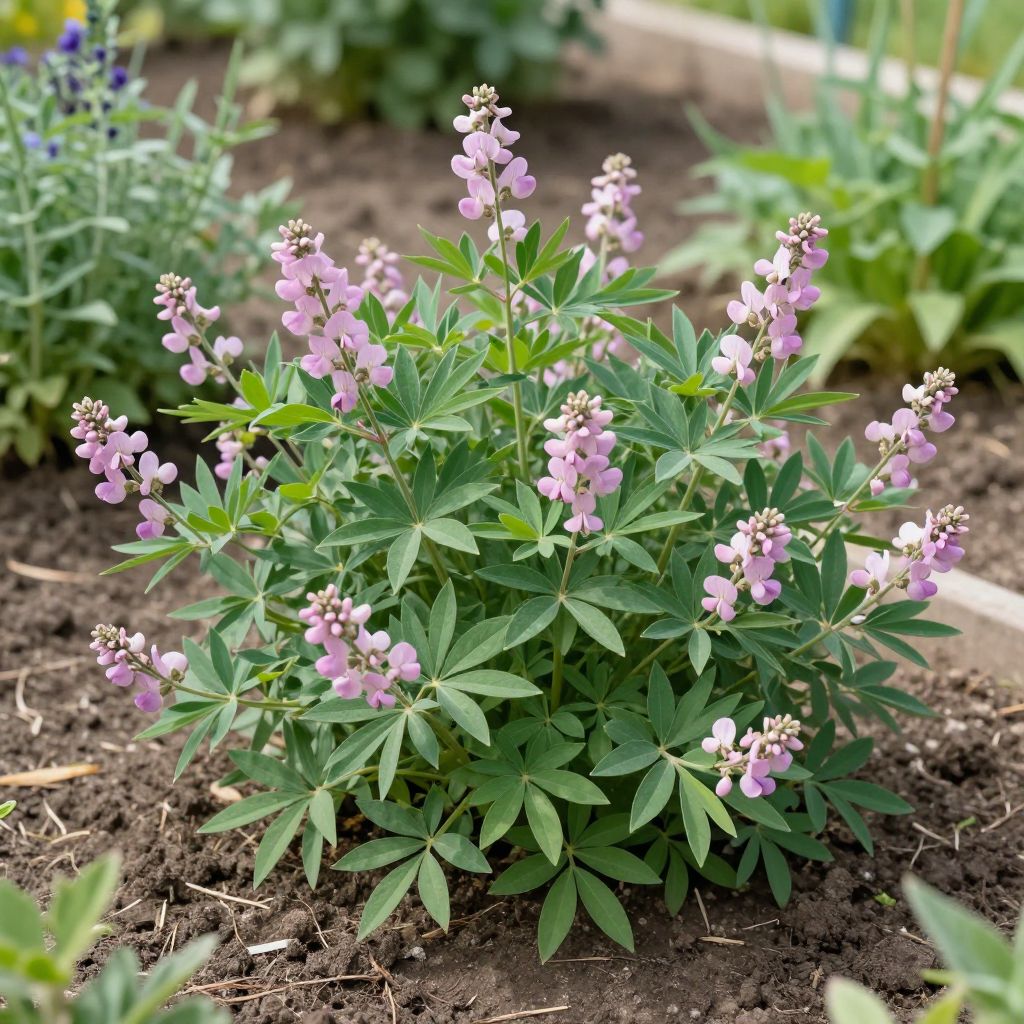
Wondering what is indigo plant and whether it belongs in your garden? The name can refer to several plants, but in gardening it usually means species grown for their blue dye, especially Indigofera and, in some regions, Persicaria tinctoria. These are attractive, sun-loving plants that can also be grown for foliage and flowers.
If you want to identify indigo plant correctly and grow it well, focus on its growth habit, leaf shape, climate needs, and whether you’re growing it for ornament, dye, or both. The right care depends on the species, but most indigo plants prefer warmth, full sun, and well-drained soil.
What is indigo plant?
Indigo plant is a general gardening name for plants used to produce blue dye, most commonly species in the Indigofera genus and the dye plant Persicaria tinctoria. They are usually sun-loving, warm-season plants with compound or lance-shaped leaves, and they grow best in fertile, free-draining soil.
How to identify indigo plant in the garden
Because “indigo plant” is a common name, identification starts with the leaves, stems, flowers, and overall growth habit. The exact look varies by species, so compare several features rather than relying on one trait.
Common identification clues
- Leaf form: Many Indigofera species have pinnate compound leaves with multiple small leaflets.
- Flowers: Often pink, purple, or reddish-purple pea-like blooms on slender spikes or clusters.
- Growth habit: Can be a shrub, subshrub, or herbaceous annual depending on the species.
- Stems: Usually upright to arching, sometimes woody at the base in perennial types.
- Seasonal behavior: Many types grow vigorously in warm weather and slow down in cool conditions.
Look-alikes to avoid confusing with indigo
- False indigo (Baptisia spp.) is a different plant with similar blue-flower associations, but it is not a dye indigo plant.
- Woad (Isatis tinctoria) is also used for dye and may be called a dye plant, but it is not true indigo.
- Chinese indigo often refers to Persicaria tinctoria, which has a different leaf shape from many Indigofera species.
Where indigo plant grows best
Most indigo plants need warmth, bright light, and good drainage. They perform best in climates with a long, warm growing season, and they may struggle in cold, wet soil or in deep shade.
Sunlight
Give indigo plant full sun for the strongest growth and best dye-producing foliage. In very hot climates, light afternoon shade can reduce stress, especially for young plants or containers.
Soil
Use loose, well-drained soil with moderate fertility. Heavy clay can cause weak growth and root problems, so improve it with compost and, if needed, raised beds or containers.
Moisture and drainage
Indigo plants dislike soggy roots. The soil should stay evenly moist while plants are young, then dry slightly between waterings once established, depending on weather and soil type.
Temperature
These are generally warm-season plants. They grow best when nights are mild and soil has warmed up, and they often decline when temperatures become cool for extended periods.
How to plant indigo plant
Plant indigo after the risk of cold weather has passed in your area, or start it indoors if your season is short. Since species vary, check whether you are growing a shrub-like perennial or a tender annual and space it accordingly.
Planting in the ground
- Choose a sunny site with loose, well-drained soil.
- Work in compost if the soil is poor, compacted, or low in organic matter.
- Dig a hole slightly wider than the root ball.
- Set the plant at the same depth it was growing in its pot.
- Backfill, firm gently, and water thoroughly.
- Mulch lightly, keeping mulch a few inches away from the stem.
Growing indigo in containers
Containers are a good choice if your soil is heavy or your climate is cool. Use a pot with drainage holes and a loose potting mix that drains quickly but still holds some moisture.
- Choose a container at least 12 inches wide for a young plant.
- Use a high-quality potting mix, not garden soil.
- Water when the top inch or two of mix feels dry.
- Move pots to the sunniest safe spot you have.
How to care for indigo plant
Once established, indigo plant is usually not difficult to maintain. The main goals are steady light, moderate watering, and enough room for air movement around the foliage.
Watering
Water newly planted indigo regularly until roots are established. After that, water deeply when the soil begins to dry, adjusting for rainfall, heat, wind, and container size.
Avoid frequent shallow watering. It encourages weak roots near the surface and makes plants less resilient in hot weather.
Feeding
Indigo plants do not usually need heavy fertilizing. Too much nitrogen can produce lush leaves with fewer flowers and weaker stems. Compost is often enough in average garden soil.
- Top-dress with compost in spring if the soil is lean.
- Use a balanced, light feeding only if growth is pale or slow and soil is poor.
- Avoid overfeeding container plants, which can become leggy.
Mulching
A thin layer of organic mulch helps conserve moisture and suppress weeds, but keep it away from the crown. In humid or rainy climates, too much mulch can hold excess moisture around the stem.
Pruning and shaping
Prune lightly to remove weak, damaged, or crowded growth. If you are growing a perennial shrub-type indigo, trimming can help keep it compact and encourage fresh growth.
- Remove dead stems after cold weather has passed.
- Pinch young plants if you want a bushier shape.
- Cut back only as much as the species and your climate allow.
Can you grow indigo plant for dye?
Yes, many gardeners grow indigo for dye production, but the best species and harvest method depend on what you have planted. Dye quality is influenced by species, growing conditions, harvest timing, and how the leaves are processed after picking.
Harvesting leaves for dye
For dye use, foliage is typically harvested when the plant is actively growing and the leaves are healthy and fully developed. Younger, vigorous leaves often give the best results, but exact timing varies by species and climate.
Handle harvested foliage promptly. Fresh leaves are usually processed soon after picking, since dye potential can change as leaves age or wilt.
What to expect from a dye crop
- Warm weather usually improves growth and leaf production.
- Repeated light harvests may be better than removing too much at once.
- Plants stressed by drought or poor soil may produce less usable foliage.
Common problems with indigo plant
Most issues come from too much water, too little light, or cold stress. Catching problems early helps you keep the plant healthy and productive.
Yellowing leaves
Yellow leaves can mean overwatering, poor drainage, nutrient imbalance, or cool weather. Check the soil first; if it stays wet for long periods, reduce watering and improve drainage.
Leggy growth
Long, weak stems often indicate insufficient sunlight. Move container plants to a brighter location, and avoid overfeeding with nitrogen-heavy fertilizer.
Root rot
Root rot is a risk in heavy, wet soil or pots without drainage. Symptoms often include wilting despite moist soil, stunted growth, and declining leaves.
If root rot is suspected, stop watering so often, improve drainage, and consider replanting in a better site or container mix.
Pests
Indigo plants may attract common garden pests such as aphids, whiteflies, spider mites, or caterpillars, depending on the species and location.
- Inspect leaf undersides regularly.
- Rinse small infestations off with a strong stream of water.
- Remove heavily damaged leaves if needed.
- Encourage airflow to reduce pest pressure.
Diseases
Fungal problems are more likely in crowded, damp conditions. Good spacing, clean tools, and careful watering at the soil line help reduce disease risk.
How to propagate indigo plant
Propagation methods vary by species, but many indigo plants can be started from seed, and some shrub types may also be propagated from cuttings. Choose the method that best suits the species you are growing.
From seed
- Use fresh seed when possible.
- Sow in a warm, bright place with a fine, well-drained seed-starting mix.
- Keep the mix lightly moist, not soggy.
- Transplant seedlings after they are sturdy and weather is warm.
From cuttings
Softwood or semi-ripe cuttings may work for some perennial indigo species. Take healthy stems, remove the lower leaves, and root them in a moist, free-draining medium under gentle warmth and bright indirect light.
Using indigo plant in the landscape
Indigo plants can be useful beyond dye production. Depending on the species, they can work in mixed borders, cottage gardens, herb gardens, pollinator-friendly plantings, or containers.
- Use compact types near the front of a sunny border.
- Place taller shrubs where they have room to spread.
- Combine with other sun-loving plants that prefer similar drainage.
- Grow in pots if you want to move plants for heat or shelter.
Because growth habit varies so much, check the mature size before planting. Some indigo plants stay fairly compact, while others become larger shrubs and need more space than beginners expect.
Practical mistakes to avoid
- Planting in heavy, waterlogged soil without improving drainage.
- Assuming every “indigo” plant is the same species.
- Overwatering established plants in cool weather.
- Using too much fertilizer and getting weak, leafy growth.
- Growing in shade and expecting dense, productive plants.
Conclusion
When you ask what is indigo plant, the short answer is that it is a warm-season dye plant name used for several sun-loving species, most often Indigofera or Persicaria tinctoria. If you match the species to your climate, give it sun and drainage, and avoid overwatering, you’ll have a much better chance of success.
If you want to keep learning about useful garden plants, look for more guides on sun-loving flowering shrubs and how to improve garden soil drainage.