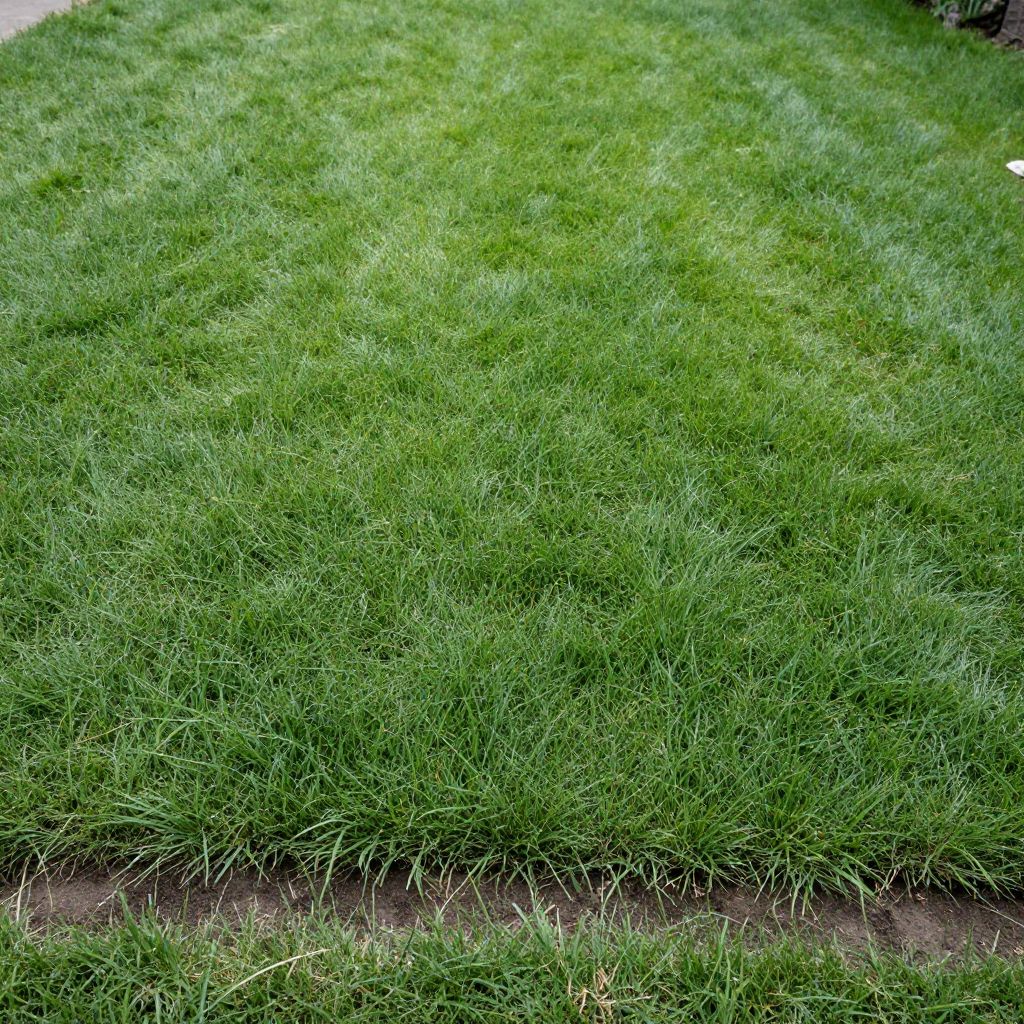
Does fescue grass spread, or will it stay where you plant it? That depends on the type of fescue and how healthy the growing conditions are. Some fescues spread slowly by short rhizomes, while others mostly grow in clumps and widen only by tillering. Knowing which type you have helps you manage your lawn or ground cover correctly.
If you want a thicker lawn, fescue can help fill in bare areas, but it is not the fastest spreader. The best results come from matching the grass to your climate, soil, and maintenance routine, then using overseeding or plugs when needed.
Does fescue grass spread?
Yes, but usually not aggressively. Tall fescue (Festuca arundinacea) spreads slowly through short rhizomes and by producing new shoots from the crown, while fine fescues are mostly bunch-forming and spread very little. In practice, fescue thickens over time, but bare spots often need overseeding to fill in well.
How fescue grows: clumps, rhizomes, and tillers
Understanding the growth habit explains why fescue behaves differently from fast-spreading grasses like bermudagrass or Kentucky bluegrass. Fescue is often chosen because it forms a durable, attractive turf without becoming invasive in the same way some spreading grasses can.
Tall fescue
Tall fescue is the most common lawn type in many home landscapes. It forms a bunch-type turf but can spread modestly by short rhizomes, so established stands may slowly knit together over time.
Fine fescue
Fine fescues include several species used in shade and low-input lawns. They are generally bunch-forming and spread very little, which means they stay where planted but can leave thin areas if conditions are poor.
What this means for your lawn
- Fescue thickens gradually rather than racing across the yard.
- It may fill small gaps if the soil, moisture, and light are right.
- Large bare patches usually need reseeding or overseeding.
- It is less likely to become a nuisance spreader than some warm-season grasses.
What affects whether fescue spreads well?
Fescue spreads and fills in best when it is growing vigorously. If the grass is stressed, compacted, or poorly matched to the site, it may survive but stay thin. The main factors are sunlight, water, soil quality, mowing height, and traffic.
Sunlight
Most fescues prefer full sun to partial shade. Some fine fescues tolerate more shade than tall fescue, but even shade-tolerant types need enough light to keep producing new shoots.
Soil and drainage
Fescue likes soil that drains well but still holds some moisture. Heavy, waterlogged soil slows root growth and can lead to disease, while very sandy soil may dry too quickly for steady spread.
Water
Consistent moisture helps seedlings establish and encourages healthy lateral growth. Deep, infrequent watering is usually better than frequent shallow watering because it supports deeper roots.
Mowing and traffic
Cutting fescue too short weakens the plant and reduces its ability to spread. Heavy foot traffic can also thin the turf faster than it can recover, especially in hot or dry weather.
How to help fescue spread and fill in bare spots
If you want a thicker lawn, the goal is to create the conditions that let fescue naturally expand. In many home lawns, the fastest practical method is overseeding rather than waiting for the grass to spread on its own.
- Check the site for shade, drainage, and compacted soil before you seed.
- Rake out dead material so new seedlings can reach the soil.
- Loosen compacted areas with a garden fork, core aerator, or light cultivation.
- Add a thin layer of compost if the soil is poor or low in organic matter.
- Overseed thin areas with the same type of fescue already growing there.
- Keep the seedbed evenly moist until seedlings establish.
- Mow high once the new grass is ready, and avoid scalping.
Best mowing height
Fescue generally performs better when kept a little taller than many other lawn grasses. A higher mowing height helps shade the soil, reduce stress, and encourage a denser stand.
- Avoid cutting off more than one-third of the leaf blade at a time.
- Use a sharp mower blade to reduce tearing and stress.
- Leave clippings on the lawn if they are not clumping heavily.
Why overseeding works so well
Because fescue spreads slowly, overseeding is often the most reliable way to repair thin turf. It is especially useful after summer stress, disease damage, or traffic injury.
When fescue does not spread well
Sometimes the problem is not the grass type but the growing conditions. If your fescue stays sparse, look for the cause before adding more seed, or the new growth may struggle in the same way.
Common reasons for thin fescue
- Poor drainage that keeps roots wet too long
- Too much shade from trees, fences, or buildings
- Soil compaction from foot traffic or equipment
- Heat stress during hot, dry periods
- Low fertility or depleted soil organic matter
- Frequent close mowing that weakens the stand
Simple fixes
Start with the least disruptive correction. Aerate compacted soil, improve watering habits, raise the mowing height, and prune back nearby plants if shade is excessive. If the site is simply too dry or too dark, a different grass or ground cover may perform better.
Planting and establishment tips for better spread
Fescue establishes best when seed has good soil contact and steady moisture. Whether you are starting a new lawn or repairing one, careful preparation matters more than heavy seeding alone.
For new lawns
- Prepare a clean, fine seedbed with loose topsoil.
- Work in compost if the soil is thin or low in organic matter.
- Spread seed evenly so seedlings do not compete too heavily.
- Keep the top layer of soil consistently moist during germination.
For overseeding existing lawns
- Mow the lawn a little shorter than usual, but not scalped.
- Remove thatch or debris that blocks seed-to-soil contact.
- Use a rake or slit seeder if the surface is dense.
- Water lightly and often enough to prevent the seed from drying out.
Tip: If you seed into a lawn that is already stressed by heat, drought, or disease, the new grass may germinate but fail to establish. Fix the underlying issue first when possible.
Watering, fertilizing, and soil care
Healthy fescue is more likely to spread slowly and fill in than stressed fescue. Good soil management supports root development, which is what keeps the plant vigorous enough to expand over time.
Watering
New seed needs more frequent moisture than an established lawn. Once established, fescue usually does better with deeper watering that encourages roots to grow downward rather than staying near the surface.
Adjust watering to your climate, soil texture, and season. Sandy soil dries faster than clay, and hot, windy conditions increase water loss.
Compost and fertility
A thin layer of compost can improve soil structure, moisture retention, and microbial activity. If your soil is already healthy, avoid overdoing amendments; too much organic buildup can create thatch or encourage shallow rooting if mismanaged.
Use fertilizer based on soil test results when possible. Excess nitrogen can push weak, fast leaf growth without improving the turf’s ability to spread and recover.
Drainage improvements
If water pools after rain, fescue may thin out no matter how well you care for it. Core aeration, adding organic matter, and correcting grading issues can help. In severe cases, drainage changes may be necessary before the lawn can thicken.
Common pests and diseases that affect spread
Fescue can be slowed by insects and diseases that damage roots, crowns, or leaves. When the plant is injured, it spends energy recovering instead of spreading.
Things to watch for
- Brown patches or irregular thinning
- Chewed blades or visible insect activity
- Soft, dark, or rotting crowns
- Sudden decline after wet weather
- Patchy areas that do not respond to watering
If you suspect a disease or pest problem, identify it before treating. Many turf problems look alike, and the wrong fix can waste time or make the lawn weaker.
Can you make fescue spread faster?
You can encourage fescue to spread more effectively, but you cannot make it behave like a fast-running grass. The best strategy is to keep it healthy and use overseeding where you want quicker coverage.
Best practices to encourage spread
- Keep the lawn mowed at a moderate-to-taller height.
- Water deeply enough to support root growth.
- Aerate compacted soil when needed.
- Overseed thin spots rather than waiting for slow natural fill-in.
- Reduce shade and traffic where possible.
For homeowners who want a lawn that stays in place and does not aggressively invade beds, fescue is often a good fit. For those who want rapid self-repair, it helps to understand its slower, steadier growth habit.
When to choose fescue and when to choose something else
Fescue is a strong choice when you want a dependable lawn with moderate maintenance, especially in cool-season regions or mixed light conditions. It is less ideal where heat, drought, or heavy shade are extreme.
Choose fescue if you want:
- A lawn that thickens gradually
- Good adaptability to many home landscapes
- Less aggressive spreading than some turf grasses
- Better performance than many grasses in partial shade
Consider another option if you need:
- Very fast spreading and self-repair
- A grass suited to intense heat or drought without supplemental care
- A lawn for deep shade with little light
- A ground cover that tolerates heavy wear better than fescue can
Conclusion
So, does fescue grass spread? Yes, but usually slowly and modestly, with tall fescue spreading more than fine fescues. If you want a thicker stand, focus on soil health, mowing height, moisture, and overseeding thin areas. Start by checking whether your lawn needs aeration or reseeding, then build from there.
For more help with lawn care basics, you may also want to read about how to overseed a lawn and when to aerate compacted soil.