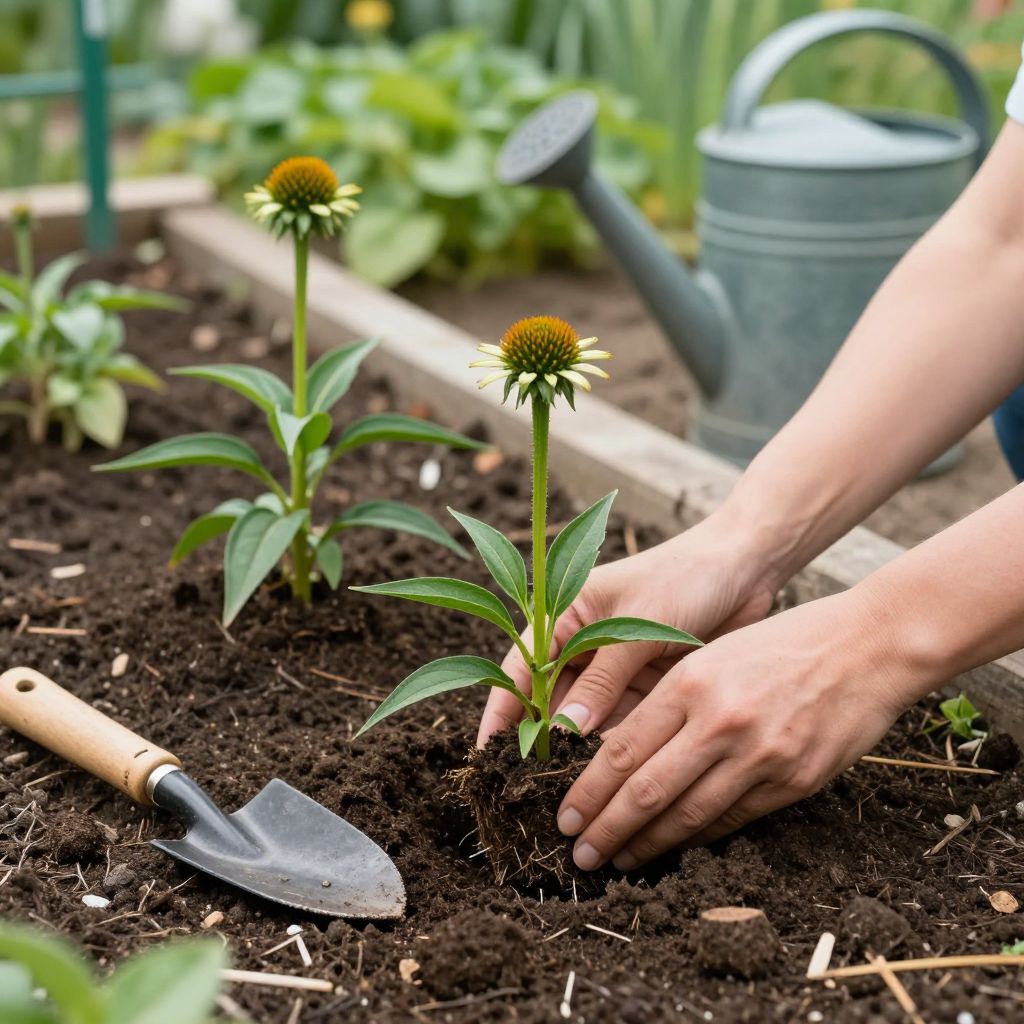
Wondering when to plant coneflowers so they settle in fast and bloom well? The best time depends on your climate, but in most gardens, spring and early fall are the easiest planting windows. Coneflowers establish best when the soil is workable, temperatures are moderate, and the plants have time to root before extreme heat or hard frost.
Whether you’re planting Echinacea from nursery pots, divisions, or seed, timing matters. A good start helps coneflowers develop strong roots, handle summer stress, and return reliably year after year.
When to plant coneflowers?
Plant coneflowers in spring after the last hard frost, or in early fall about 6 to 8 weeks before the ground freezes. Spring planting gives roots a full growing season to establish, while fall planting works well in milder climates if the soil stays workable and drainage is good.
Why timing matters for coneflowers
Coneflowers are tough perennial wildflowers, but young plants still need time to establish roots before facing heat, drought, or winter cold. Planting at the right time reduces transplant shock and improves survival.
If you plant too early in cold, wet soil, roots may sit and rot. If you plant too late in summer, the plant may struggle to keep up with heat and dry weather before it has settled in.
Best planting windows by season
- Spring: Best in cold and temperate climates once frost danger has passed and soil is warming.
- Early fall: Best where winters are not too severe and the soil remains workable long enough for rooting.
- Summer: Possible, but only with extra watering and careful attention during heat waves.
- Winter: Not ideal for outdoor planting unless you are in a very mild climate with open ground.
How to choose the right planting time for your climate
The “best” date for when to plant coneflowers changes with location. Instead of following a calendar alone, use your local frost dates, soil conditions, and forecast.
Cooler climates
In areas with cold winters and short growing seasons, spring is usually the safest choice. Plant after the last frost when the soil is no longer soggy and daytime temperatures are consistently mild.
Fall planting can work if you still have several weeks before the ground freezes. That gives roots time to grow a little before winter dormancy.
Mild or warmer climates
In regions with long, warm autumns, fall planting is often excellent because cooler air reduces stress and roots can keep growing. Spring also works well, but you may need to water more during the first summer.
Hot-summer climates
If your summers are intense, avoid planting during peak heat if possible. Early spring or early fall is usually easier because coneflowers can root in less stressful conditions.
What coneflowers need to grow well
Coneflowers thrive in full sun, average to lean soil, and excellent drainage. They are not fussy, but they dislike waterlogged ground and overly rich soil that encourages weak, floppy growth.
- Sunlight: At least 6 hours of direct sun daily is ideal.
- Soil: Well-drained loam, sandy soil, or average garden soil.
- pH: They tolerate a fairly wide range of soil pH.
- Moisture: Even moisture while establishing, then moderate drought tolerance.
If your soil is heavy clay, improve drainage before planting. Raised beds or planting on a slight mound can help prevent root problems.
How to plant coneflowers step by step
Whether you’re planting container-grown coneflowers or divisions, the process is simple. The main goal is to avoid burying the crown too deeply and to give the roots loose, well-prepared soil.
- Choose a sunny site with good drainage.
- Remove weeds and loosen the soil to a depth of about 8 to 12 inches.
- Mix in a small amount of compost if the soil is poor, but do not overdo it.
- Dig a hole slightly wider than the root ball.
- Set the plant so the crown sits at the same level it was growing in the pot.
- Backfill gently and press the soil lightly to remove large air pockets.
- Water thoroughly after planting.
- Mulch lightly, keeping mulch a few inches away from the crown.
Planting depth matters
One of the most common mistakes is planting coneflowers too deep. The crown should not be buried under several inches of soil or mulch. Deep planting can lead to rot and poor growth.
Should you plant coneflowers from seed, plugs, or divisions?
The best planting time also depends on the type of plant material you use. Each option has a slightly different timing and care requirement.
From nursery pots
Container-grown coneflowers are the easiest for beginners. You can plant them in spring or early fall, as long as the weather is mild and the soil is workable.
From divisions
Divide mature clumps in spring or early fall. Cooler weather helps the divided roots recover faster. Keep divisions watered well until new growth appears.
From seed
Coneflower seeds can be sown outdoors in fall or started indoors in late winter, depending on your method and climate. Outdoor fall sowing often works well because natural cold helps break dormancy.
If starting indoors, transplant seedlings after frost danger passes and harden them off first. Seed-grown plants usually take longer to bloom than nursery plants.
Watering after planting
Newly planted coneflowers need regular moisture while they establish, but they should never sit in soggy soil. Water deeply after planting, then check the soil every few days during the first few weeks.
A good rule is to keep the root zone lightly moist, not wet. Once the plant is established, coneflowers are fairly drought tolerant and need less frequent watering.
Signs you are overwatering
- Yellowing leaves
- Soft or mushy crowns
- Slow growth in soil that stays wet
- Wilting even though the soil is damp
Signs you are underwatering
- Drooping leaves during hot afternoons
- Dry, crumbly soil several inches down
- Stalled growth in newly planted specimens
Mulch, compost, and fertilizer: what helps most?
Coneflowers usually do best with modest soil improvement rather than heavy feeding. A little compost can help poor soil, but rich, overfertilized beds may produce lush foliage and fewer flowers.
Use a light mulch layer to conserve moisture and reduce weeds, but keep mulch away from the crown. Too much mulch against the base can trap moisture and encourage rot.
- Compost: Helpful in lean soil, mixed into the planting area.
- Mulch: Useful for moisture retention, especially in hot weather.
- Fertilizer: Usually unnecessary in average garden soil unless a soil test shows a need.
Common mistakes to avoid
Most coneflower problems start at planting time. Avoiding a few simple errors can make a big difference in long-term performance.
- Planting in poorly drained soil: Coneflowers hate wet feet.
- Burying the crown: Keep the crown at soil level.
- Overwatering after establishment: Mature plants prefer moderate moisture.
- Planting in deep shade: Less sun usually means fewer blooms and weaker stems.
- Using too much fertilizer: This can reduce flowering and create floppy growth.
Pruning and deadheading after planting
Young coneflowers do not need much pruning. Once established, deadheading spent flowers can encourage a tidier look and sometimes more blooms, depending on the variety and season.
Leave some seed heads in place if you want birds to feed on them in fall and winter. In colder regions, many gardeners cut stems back in late winter or early spring rather than in fall.
Pests and diseases to watch for
Coneflowers are usually low-maintenance, but crowded, wet, or shaded plants are more likely to run into trouble. Good spacing and drainage prevent many issues before they start.
Common problems
- Powdery mildew: More likely in humid weather or crowded plantings.
- Root rot: Often caused by soggy soil or overwatering.
- Aphids: Can cluster on new growth, especially in spring.
- Japanese beetles or leaf-chewing insects: May appear in some regions.
If you notice disease, improve airflow, remove badly affected foliage, and avoid wetting the leaves late in the day. For root issues, drainage is the first thing to fix.
How to help coneflowers establish faster
Good establishment is mostly about reducing stress. Give the plant the right light, soil, and moisture, then let it settle in without too much interference.
- Plant on a mild day if possible.
- Water deeply after planting.
- Keep weeds away from the root zone.
- Mulch lightly to reduce moisture loss.
- Avoid heavy feeding during the first season.
- Protect young plants from extreme heat or drought when needed.
When to expect blooms
Container-grown coneflowers may bloom the same season they are planted, especially if planted in spring. Seed-grown plants often take longer, and some may focus on root growth first before flowering well.
Even if blooms are limited the first year, that is not necessarily a problem. A healthy root system now usually means a stronger, longer-lived plant later.
Conclusion
For most gardeners, the best time to plant coneflowers is spring after frost or early fall before the ground freezes. Choose a sunny, well-drained spot, plant at the correct depth, and water consistently while the roots establish. If you match planting time to your local climate, your coneflowers will have a much better start.
If you want to plan the rest of your perennial bed, it can help to read more about choosing the best sunny spots for perennial flowers and how to improve garden soil drainage.