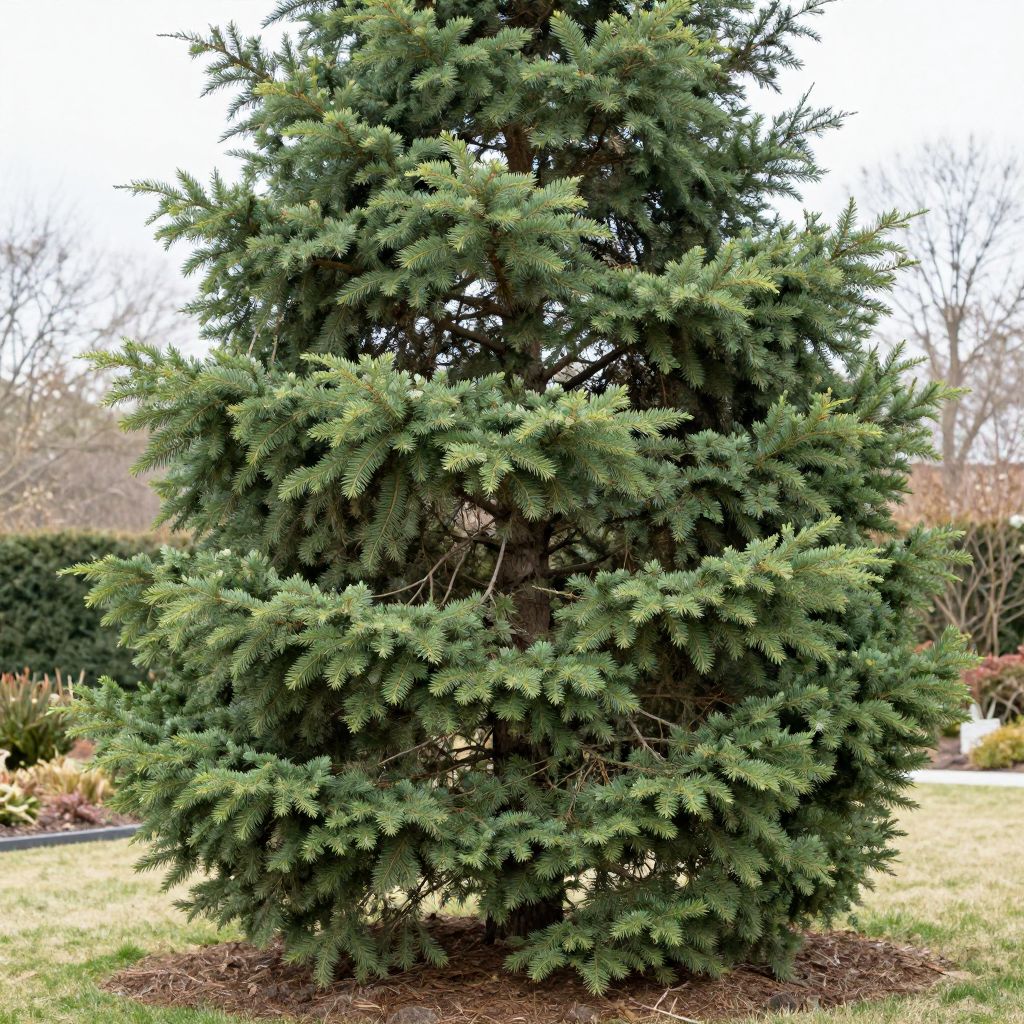
If you’re asking, “What does a cedar tree look like?”, the answer depends a little on which “cedar” you mean. In gardening, true cedars are conifers in the genus Cedrus, but many landscape trees called cedar are actually arborvitae, junipers, or other evergreens.
The good news is that real cedars and cedar-like trees share a few visible traits: evergreen foliage, woody cones, and a dense, often pyramidal form. Once you know what to look for, you can identify them more confidently and choose the right care for your landscape.
What does a cedar tree look like?
A true cedar usually has evergreen, needle-like leaves arranged in clusters or on short shoots, a broad pyramidal to spreading shape when young, and barrel-shaped or egg-shaped cones that stand upright on the branches. Mature trees often develop layered, horizontal limbs and a rugged, gray-brown trunk with aromatic wood.
How to identify a cedar tree in the garden
Start with the overall shape, then look closely at the foliage, cones, bark, and scent. Many “cedars” sold in nurseries are not true cedars, so checking several features together is the most reliable way to identify them.
1. Look at the tree’s form
- Young trees are often narrow and pyramidal.
- Mature trees may become broad, layered, or irregular depending on species and growing conditions.
- Branches are usually sturdy and arranged in tiers or whorls rather than looking wispy.
2. Check the foliage
True cedars have short, stiff needles grouped in clusters on short spur shoots. The needles may appear bluish-green, silver-green, or deep green, depending on the species.
By contrast, many false cedars have scale-like foliage pressed flat against the twig, which can make them look softer and more feathery.
3. Examine the cones
One of the easiest clues is the cone. True cedar cones are upright on the branches, barrel-shaped or egg-shaped, and disintegrate on the tree as they mature. You usually won’t find long dangling cones like those on pines.
4. Notice the bark and scent
Older cedar bark is often gray-brown and fissured or scaly. When you crush a small bit of foliage or wood, many cedars give off a resinous, spicy aroma. That scent can be helpful, but it should not be your only clue.
True cedars vs. trees commonly called cedar
In home gardens, the word “cedar” is often used loosely. Knowing the difference helps you avoid pruning or planting mistakes and gives you better care results.
True cedars (Cedrus)
- Needle-like leaves in clusters
- Upright, barrel-like cones
- Often large, long-lived landscape trees
- Common species include deodar cedar, Atlas cedar, and Lebanon cedar
Plants often called cedar but not true cedars
- Eastern red cedar is actually a juniper (Juniperus virginiana)
- “White cedar” in landscaping often refers to arborvitae (Thuja spp.)
- These plants usually have scale-like foliage rather than needle clusters
- Their cones are much smaller and less conspicuous
Where cedars grow best
Cedars are outdoor evergreen trees that generally prefer full sun and well-drained soil. They do not like soggy roots, and they perform best where air can move freely around the canopy.
Light
Most cedars grow best in full sun, which means at least 6 hours of direct sunlight daily. They can tolerate light shade, but dense shade often causes thin growth and poor form.
Soil
Well-drained soil is essential. Cedars can adapt to many soil types, but they struggle in heavy clay that stays wet for long periods. If your soil is compacted, mix in compost to improve structure, but do not create a planting hole that acts like a water-filled basin.
Moisture
Young cedars need regular watering while they establish roots, especially during dry spells. Mature trees are more drought-tolerant, but they still benefit from deep watering during extended heat or drought.
Climate
Choose cedar species suited to your local climate. Some handle cold winters well, while others prefer milder regions. If you are unsure, check local nursery recommendations rather than relying on a generic hardiness claim.
How to plant a cedar tree
Whether you are planting a true cedar or a cedar-like evergreen, the basics are the same: give the roots room, avoid planting too deep, and make sure excess water can drain away.
- Choose a site with full sun and enough space for the tree’s mature width and height.
- Dig a hole about 2 to 3 times as wide as the root ball, but no deeper than the root ball itself.
- Loosen circling roots gently if the tree is container-grown.
- Set the tree so the root flare is at or slightly above soil level.
- Backfill with native soil unless your soil is severely poor; avoid creating a heavily amended “pot” in the ground.
- Water thoroughly to settle the soil.
- Apply 2 to 3 inches of mulch over the root zone, keeping mulch a few inches away from the trunk.
Common mistake: planting too deep. Burying the trunk flare can lead to rot, weak growth, and long-term decline.
Watering and maintenance for healthy cedar trees
Newly planted cedars need more attention than established trees. The goal is deep, infrequent watering that encourages roots to grow outward and downward.
Watering young trees
- Water deeply after planting.
- Check soil moisture regularly during the first growing season.
- Water when the top few inches of soil are dry, especially in hot or windy weather.
Watering established trees
Once established, cedars usually need less frequent watering, but they should not be left to suffer through prolonged drought. Water slowly at the drip line so moisture reaches the roots instead of running off the surface.
Mulching
Mulch helps conserve moisture, moderate soil temperature, and reduce weeds. Keep mulch shallow and airy; a thick mound against the trunk can trap moisture and invite disease.
Pruning cedar trees the right way
Cedars usually need only light pruning. The best approach is to remove dead, damaged, or crossing branches and preserve the tree’s natural shape.
When to prune
Prune lightly during dry weather when the tree is not under heat stress. Avoid heavy pruning in late season if your area experiences cold winters, and avoid cutting into old wood that may not regrow well.
What to remove
- Dead or broken limbs
- Branches rubbing against each other
- Low suckers or poorly placed shoots
- Any diseased wood, cut back to healthy tissue
Do not shear a cedar into a tight hedge unless the species and your design call for that style. Over-shearing can create a thin outer shell of foliage with bare interior branches.
Common pests and diseases
Cedars are generally sturdy, but they can still face problems, especially if they are stressed by poor drainage, drought, or crowding.
Pests
- Aphids can cause sticky residue and distorted new growth.
- Bagworms may leave hanging silk-covered cases and chew foliage.
- Spider mites can cause stippling and bronzing in hot, dry conditions.
Diseases
- Root rot is more likely in wet, poorly drained soil.
- Needle blight can cause browning and premature needle drop.
- Cankers may create sunken or dead areas on branches or trunks.
For most home gardeners, the best prevention is simple: plant in well-drained soil, avoid overwatering, keep mulch off the trunk, and inspect the tree regularly for early signs of stress.
How to tell if your cedar is healthy
A healthy cedar should have firm, evenly colored foliage, steady new growth in season, and a trunk and branches free from major cracks or dieback. Some inner browning is normal on older foliage, especially in dense evergreens, but widespread yellowing or thinning is a warning sign.
Warning signs to watch for
- Needles turning brown from the tips inward
- Large patches of bare branches
- Soft, dark, or oozing areas on the trunk
- Wilting or drooping despite adequate soil moisture
- Visible insects, webbing, or bag-like cases on branches
Propagation and replacement options
Home gardeners usually replace cedar trees with nursery-grown plants rather than trying to propagate them from seed or cuttings, since germination and rooting can be slow and inconsistent. If you want to add more evergreens, choose a species that matches your site conditions instead of forcing a cedar into unsuitable soil or shade.
Landscape uses for cedar trees
Cedars can serve as specimen trees, windbreaks, privacy screens, or evergreen anchors in a mixed border. Their strong structure and year-round color make them especially useful in large yards where they have room to mature.
- Use a single cedar as a focal point in open lawn areas.
- Plant in groups only if you can provide enough spacing.
- Keep them away from foundations, driveways, and overhead wires if the species grows large.
Quick identification checklist
If you want a fast way to answer “What does a cedar tree look like?”, use this checklist in the garden:
- Evergreen tree with a pyramidal or layered shape
- Needle-like or scale-like foliage, depending on the species
- Cones present, often upright on true cedars
- Gray-brown bark that becomes rough with age
- Resinous, aromatic scent when foliage is crushed
- Best growth in full sun and well-drained soil
Conclusion
To identify a cedar tree, look beyond the common name and compare the foliage, cones, bark, and overall shape. Once you know whether you have a true cedar or a cedar-like evergreen, you can give it the right light, drainage, and pruning care for long-term health.
If you’re still unsure what tree is growing in your yard, you may also find this guide to identifying unknown trees helpful as a next step.