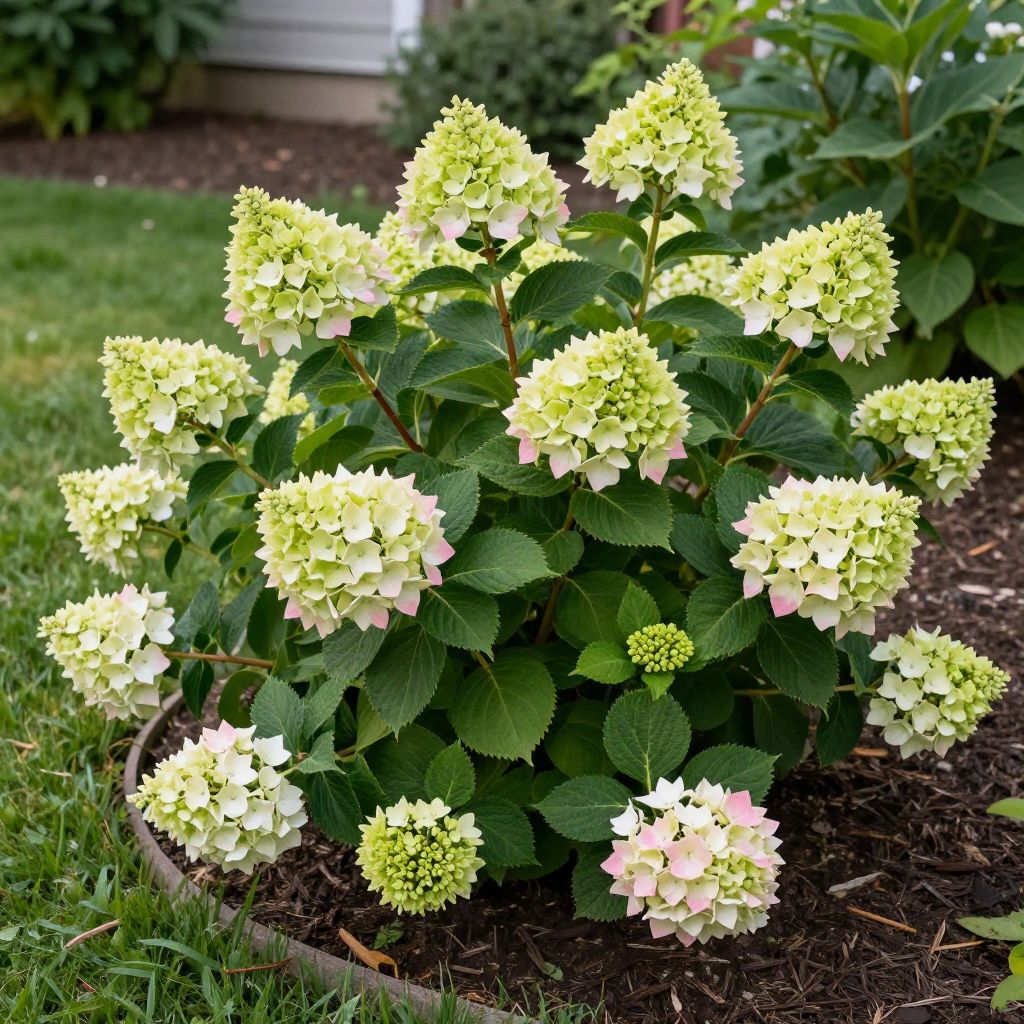
Wondering when do Limelight hydrangeas bloom? The short answer is that Limelight hydrangea (Hydrangea paniculata) usually blooms in mid to late summer, then holds its flowers into fall. Exact timing depends on your climate, sun exposure, pruning, and how established the shrub is.
If your plant is healthy but not flowering yet, the issue is often timing rather than failure. Limelight blooms on new wood, so the previous year’s weather and pruning habits matter more than winter damage to old flower buds.
When do Limelight hydrangeas bloom?
Limelight hydrangeas typically begin blooming in mid-summer, often around July in many temperate gardens, and can continue through early fall. In cooler regions, bloom may start later; in warmer areas, it may start earlier. Young plants often flower less heavily until they are well established.
What affects bloom timing?
Several growing conditions can shift bloom time by a few weeks. The biggest factors are sunlight, pruning, winter weather, soil moisture, and plant maturity. Limelight hydrangeas are generally reliable bloomers, but they still respond to local conditions.
Sunlight
Limelight hydrangeas bloom best with morning sun and afternoon shade in hotter climates. In cooler regions, they can take more sun and often flower more heavily. Too much shade can reduce flowering and make stems stretch.
Plant age
Newly planted shrubs may spend the first season building roots instead of flowering heavily. A young Limelight can bloom lightly, but full flowering usually improves as the plant matures.
Pruning timing
Because Limelight blooms on new wood, it can be pruned in late winter or early spring without removing the coming season’s flower buds. If you prune too late in spring, you may delay bloom by removing fresh growth.
Weather and winter conditions
Cold snaps, late frosts, and an unusually cool spring can slow shoot growth and push bloom later. In very hot, dry weather, buds may develop more slowly unless the plant receives steady moisture.
How to encourage strong blooming
If your goal is more flowers, focus on steady growth rather than quick fixes. Limelight hydrangeas bloom best when they have enough light, well-drained soil, and consistent moisture during active growth.
- Plant in the right light. Aim for at least several hours of sun, with some afternoon protection in hot climates.
- Use rich, well-drained soil. Work in compost before planting if your soil is poor or compacted.
- Water deeply during dry spells. Keep the root zone evenly moist, especially in the first year.
- Mulch around the base. A 2- to 3-inch layer helps conserve moisture and moderate soil temperature.
- Prune at the right time. Do major pruning in late winter or early spring, before strong growth starts.
Soil and drainage
Limelight hydrangeas prefer soil that holds moisture but does not stay soggy. Poor drainage can weaken roots and reduce flowering. If your site tends to puddle, improve drainage before planting or choose a raised bed or mound.
Watering for bloom
Inconsistent watering is a common reason for delayed or sparse flowering. Deep, regular watering is better than frequent light sprinkling. The soil should feel moist, not waterlogged, a few inches below the surface.
Why your Limelight hydrangea may not be blooming yet
If the shrub has healthy leaves but few or no flowers, the problem is often one of these common issues. Most are fixable with patience and a few care adjustments.
- Too much shade: The plant may grow well but bloom lightly.
- Heavy spring pruning: Cutting back too late can remove the strongest flowering shoots.
- Excess nitrogen: Too much fertilizer can push leafy growth at the expense of flowers.
- Recent transplanting: A newly moved shrub may need a season to settle in.
- Drought stress: Bud development slows when the plant dries out repeatedly.
- Late frost damage: New growth may be set back in cooler springs.
How to troubleshoot a non-blooming plant
Start by checking light and pruning history. If the shrub gets less than a half day of sun, consider whether nearby trees or structures are shading it more than before. If you pruned hard in spring, expect fewer blooms that season.
Next, assess soil moisture. If the root zone dries out often, add mulch and water deeply during dry periods. If the soil is constantly wet, improve drainage so roots can function properly.
Pruning tips that protect blooms
Pruning Limelight hydrangeas correctly helps shape the plant without sacrificing flowers. Since it blooms on new wood, pruning is less risky than with old-wood hydrangeas, but timing still matters.
- Prune in late winter or early spring, before active growth begins.
- Remove dead, damaged, or crossing stems first.
- Shorten stems to control size if needed, but avoid cutting back excessively every year.
- For older shrubs, thin out a few of the oldest stems at the base to encourage vigorous new shoots.
As a general rule, the harder you prune, the more vigorous the new growth may be. That can be useful for rejuvenation, but very severe pruning can also change the plant’s shape and delay the look you want for that season.
What the flowers look like through the season
Limelight hydrangea flowers often change color as they mature. The blooms may open in creamy white or pale green, then gradually shift toward pink, rose, or tan as summer moves into fall. This color change is normal and is part of the plant’s seasonal appeal.
Because the flower heads are large, they can be affected by rain and wind. Good spacing and support from nearby planting can help stems stay upright, especially on younger plants or those grown in very rich soil.
Common pests and diseases
Healthy Limelight hydrangeas are usually fairly trouble-free, but problems can still affect flowering and overall vigor. Catching issues early helps the plant keep growing well enough to bloom on schedule.
Pests
- Aphids: These may cluster on soft new growth and can distort leaves.
- Spider mites: More common in hot, dry conditions; leaves may look stippled or dusty.
- Japanese beetles or other leaf-feeding insects: These may chew foliage but usually do not stop blooming unless damage is severe.
Diseases
- Powdery mildew: More likely in humid conditions with poor air circulation.
- Leaf spot: Can appear during wet weather, especially if leaves stay damp.
- Root stress from poor drainage: Can weaken the plant and reduce flowering.
To reduce disease pressure, give the shrub room to breathe, water at the base rather than overhead when possible, and clean up fallen leaves if disease has been a recurring issue.
Can you propagate Limelight hydrangeas?
Yes, you can propagate Limelight hydrangeas, usually by softwood or semi-ripe cuttings in the growing season. This is a useful way to make more plants, but new cuttings will need time to root and establish before they bloom well.
If you try propagation, keep the cuttings evenly moist and out of harsh sun until roots form. A propagated plant may take a few seasons to reach the same bloom performance as a mature shrub.
Using Limelight hydrangeas in the landscape
Limelight hydrangeas work well as specimen shrubs, informal hedges, or foundation plantings. Their bloom season is long enough to provide structure and color when many spring-flowering shrubs are finished.
For the best display, give each plant enough room to reach its mature width. Crowding can reduce air circulation, make pruning harder, and limit flowering on the lower parts of the shrub.
Seasonal care calendar
Use this simple seasonal approach to keep bloom timing on track. Adjust it to your local climate, since spring and summer arrive at different times depending on where you garden.
- Late winter to early spring: Prune before new growth begins.
- Spring: Watch for new shoots and keep soil evenly moist.
- Early to mid-summer: Expect buds and first blooms to develop.
- Late summer to fall: Enjoy peak bloom and color change.
- Late fall: Clean up fallen debris and mulch if needed.
Conclusion
When do Limelight hydrangeas bloom? In most gardens, they flower from mid-summer into fall, with timing shaped by climate, sunlight, pruning, and plant age. If yours is slow to bloom, check those four factors first, then make one change at a time so you can see what helps.
If you want to keep improving your hydrangea care, look for more practical guidance on pruning hydrangeas correctly and choosing the best hydrangea growing conditions for your yard.