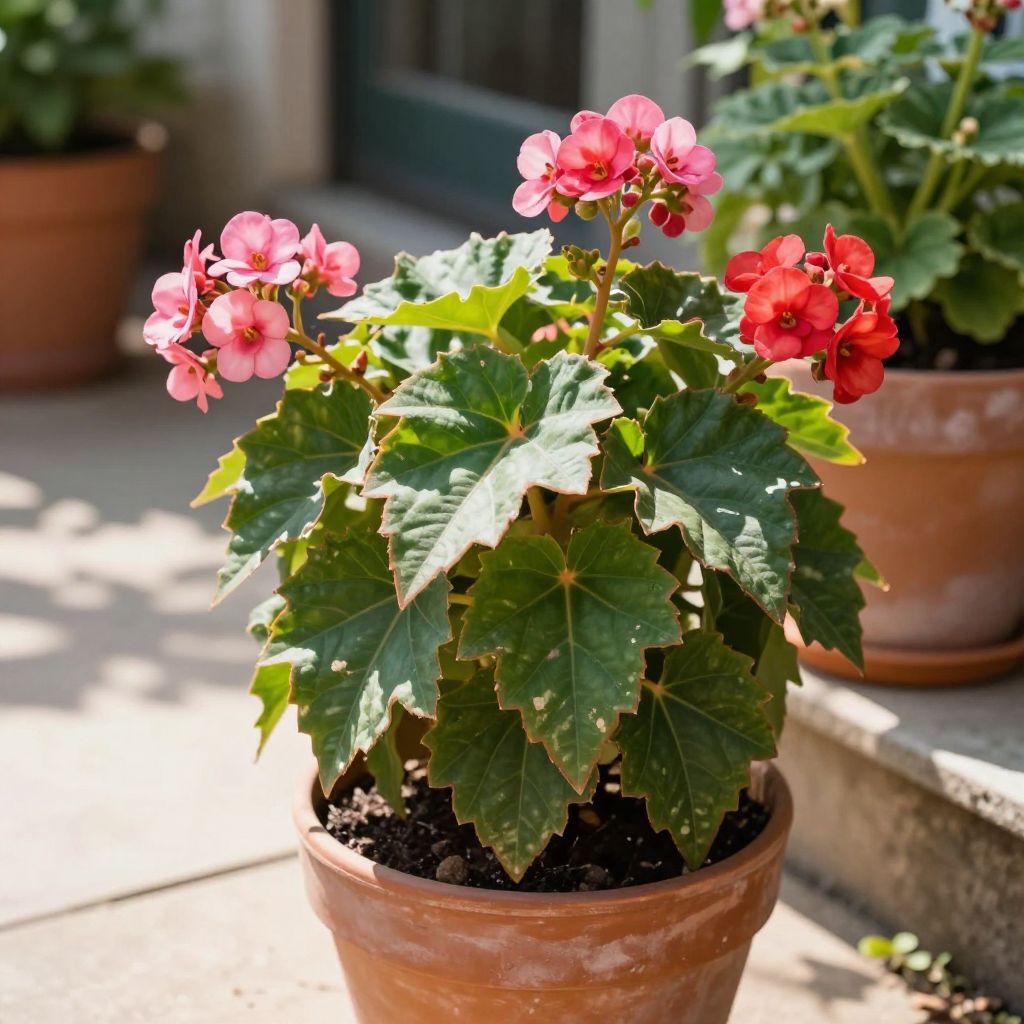
Can begonias take full sun? Sometimes, but not usually without stress. Most begonias prefer bright shade or filtered light, and many common types scorch, wilt, or lose color in hot afternoon sun. The key is matching the begonia type to your climate, the season, and how intense your sunlight really is.
If you want healthy flowers and foliage, think in terms of morning sun, bright indirect light, and protection from harsh afternoon rays. With the right placement and a little extra care, some begonias can handle more sun than others.
Can begonias take full sun?
Some begonias can tolerate full sun in cooler climates or with gentler morning light, but most do best in partial shade. Wax begonias and some fibrous-rooted types are the most sun-tolerant, while rex begonias and many tuberous begonias need more protection. In hot regions, full sun often causes leaf scorch, wilting, and fewer blooms.
Which begonias handle more sun?
Not all begonias are the same. Their sun tolerance depends on leaf thickness, moisture needs, and whether they are grown for flowers or foliage.
More sun-tolerant begonias
- Wax begonias (Begonia semperflorens types) often tolerate more sun than other begonias, especially in cooler weather.
- Fibrous-rooted begonias with small, sturdy leaves usually handle brighter conditions better than large-leaved types.
- Some newer landscape begonias are bred for more sun, but they still prefer consistent moisture and protection from intense afternoon heat.
Begonias that need shade
- Rex begonias are prized for foliage and usually scorch quickly in direct sun.
- Tuberous begonias often bloom well in bright shade but struggle in hot, direct sunlight.
- Angel wing and cane begonias usually prefer bright, indirect light rather than full sun.
What full sun does to begonias
Full sun can be too intense for many begonias, especially during the hottest part of the day. When exposure is too strong, the plant loses moisture faster than its roots can replace it.
Common signs of too much sun
- Leaf edges turning brown or crispy
- Bleached, faded, or yellowing foliage
- Wilting even when the soil is moist
- Fewer flowers or buds dropping early
- Stunted growth and a tired, droopy look
If you see these symptoms, move the plant to brighter shade or add protection before the damage gets worse.
Best light conditions for begonias
For most begonias, the sweet spot is bright light without harsh direct afternoon sun. A few hours of gentle morning sun is often ideal, especially in cooler climates.
Outdoor placement
- Morning sun is usually safe and often helps flowering.
- Afternoon shade protects leaves from heat stress.
- Filtered light under trees, on east-facing patios, or beside open shade structures works well.
Indoor placement
Indoors, begonias do best near a bright window with indirect light. An east window is often a good choice, while south- or west-facing windows may need a sheer curtain to soften the light.
How climate changes sun tolerance
The answer to can begonias take full sun depends a lot on where you garden. The same plant may thrive in one yard and struggle in another.
Cooler climates
In mild or cool summer regions, begonias may handle more direct sun, especially if the soil stays evenly moist. Even then, midday heat and reflected light from walls, pavement, or stone can still cause stress.
Hot climates
In hot, dry, or windy areas, begonias usually need stronger shade protection. Full sun combined with heat reflects off hard surfaces and dries the plant quickly, so even “sun-tolerant” begonias may need afternoon relief.
Seasonal changes
Spring and early summer sun is often gentler than late-summer sun. A begonia that performs well in May may need more shade by July or August.
How to grow begonias in brighter spots
If you want to try begonias in a sunnier location, give them the best chance by improving moisture control and reducing heat stress.
- Choose the right type. Start with a wax begonia or another more sun-tolerant variety rather than a rex or tuberous begonia.
- Use well-draining soil. Begonias dislike soggy roots, but they also need steady moisture. A loose potting mix or garden soil amended with compost works well.
- Water deeply and consistently. Let the top layer of soil begin to dry slightly, then water thoroughly. Do not let the plant sit dry for long in hot sun.
- Mulch outdoor plants. A 1 to 2 inch layer of mulch helps keep roots cooler and reduces water loss.
- Provide afternoon shade. Use shade cloth, taller companion plants, or a location with natural shelter from the sun.
- Watch the plant closely. If leaves fade or wilt, move it to a gentler spot before damage becomes severe.
Soil, drainage, and watering needs
Even when begonias get enough light, poor soil can make them look unhappy. Good drainage is essential, because wet roots in hot weather can rot quickly.
Best soil conditions
- Loose, rich, and moisture-retentive but not waterlogged
- Amended with compost for outdoor beds
- Light potting mix for containers, with drainage holes
Watering tips
Water at the base of the plant rather than soaking the foliage whenever possible. Morning watering is usually best, because leaves dry faster and the plant has moisture available before the day heats up.
Do not assume “sun-loving” means drought-tolerant. Begonias in full sun often need more frequent checking than those in shade, especially in containers.
Container growing in sun
Containers heat up faster than garden beds, so begonias in pots are more vulnerable to sun stress. If you are growing them on a patio, balcony, or deck, choose the location carefully.
Container care checklist
- Use a pot with drainage holes
- Choose a light-colored container if possible to reduce heat buildup
- Keep the pot out of reflected heat from concrete or brick
- Check moisture often during warm weather
- Rotate the pot if one side gets stronger sun than the other
If your container begonia wilts each afternoon but recovers overnight, the plant is likely getting too much sun or drying too quickly.
Pruning and maintenance for healthier plants
Begonias in brighter light may grow more compactly, but they still benefit from simple maintenance. Removing damaged leaves and spent flowers helps the plant focus on new growth.
What to remove
- Brown or scorched leaves
- Spent blooms
- Leggy stems that are stretching toward light
- Any diseased foliage that could spread problems
Use clean scissors or snips, especially if you are removing damaged tissue after heat stress or disease.
Common pests and diseases in sunny sites
Stress from too much sun can make begonias more vulnerable to pests and disease. A weakened plant is less able to recover from insect feeding or root problems.
Pests to watch for
- Aphids on tender new growth
- Spider mites in hot, dry conditions
- Thrips on flowers and leaves
- Mealybugs on indoor or sheltered plants
Diseases and issues
- Leaf scorch from direct sun and heat
- Root rot from poor drainage or overwatering
- Powdery mildew if air circulation is poor and leaves stay damp
Good spacing, proper watering, and removing damaged leaves are often enough to prevent many problems. If pests appear, treat them early before they spread.
How to tell if your begonia needs more shade
A begonia that is getting too much sun usually gives you clear signals. The sooner you respond, the easier it is to save the plant.
Move it if you notice:
- Leaves curling or crisping at the edges
- Blooms fading quickly
- Soil drying out very fast after watering
- Plants looking limp during the afternoon but not at night
- New growth appearing smaller or weaker than before
If the plant is in a pot, relocating it is simple. If it is in the ground, try adding temporary shade with a nearby plant, garden umbrella, or shade cloth during the hottest part of the day.
How to acclimate begonias to more sun
If you want to move a begonia into a brighter spot, do it gradually. Sudden exposure to full sun can shock the plant, even if the variety is somewhat sun-tolerant.
- Start with a location that gets morning sun only.
- Increase exposure slowly over 1 to 2 weeks, if the plant stays healthy.
- Monitor leaves for fading, scorching, or wilting.
- Keep soil evenly moist during the adjustment period.
- Stop increasing sun if the plant shows stress.
This gradual approach is especially useful for container plants and newly purchased begonias that were grown in greenhouse conditions.
Final answer: should you plant begonias in full sun?
In most gardens, begonias are better suited to partial shade than full sun. If you want to try them in a brighter spot, choose a sun-tolerant type, protect them from hot afternoon rays, and keep the soil evenly moist. That combination gives you the best chance of strong growth and steady blooms.
For more help choosing the right light and care routine for shade-loving flowers, you may also want to read related gardening guides on begonia care basics and growing flowers in partial shade.