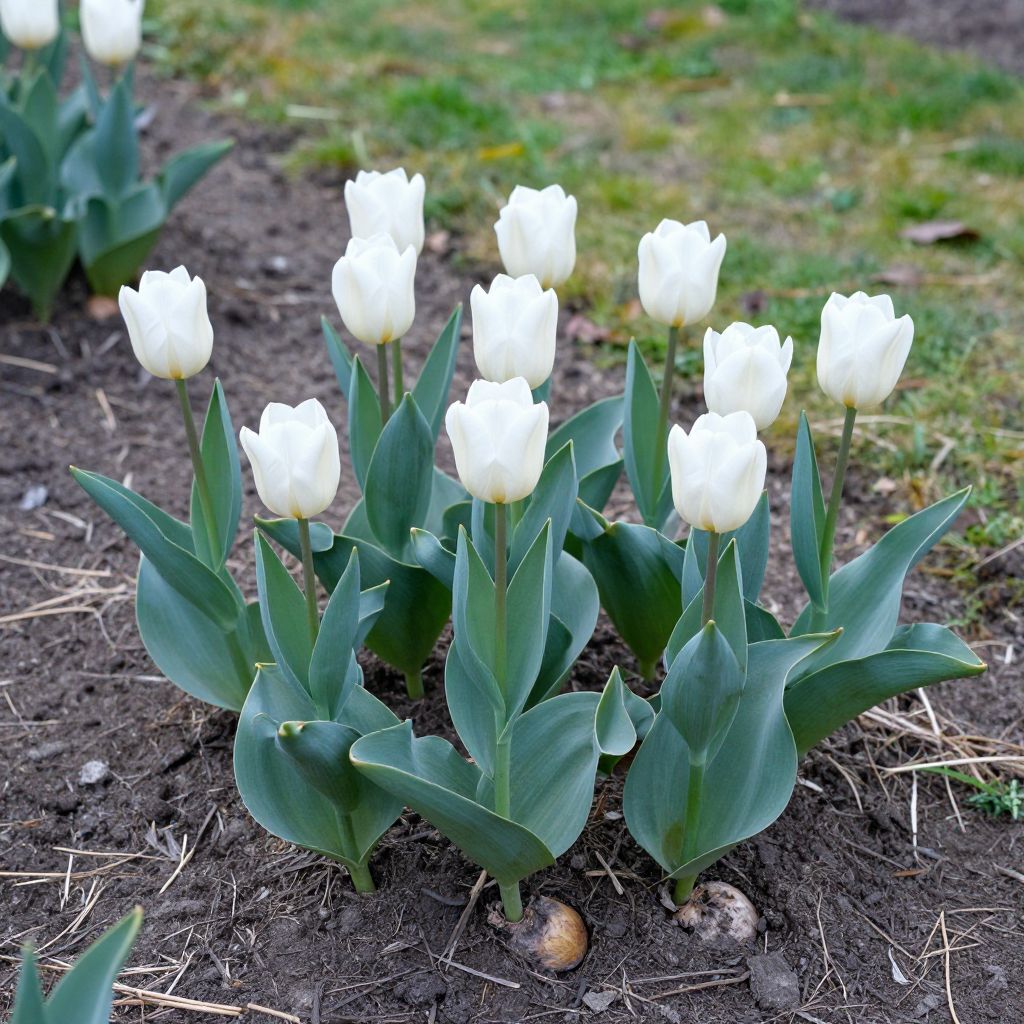
Do tulips spread? Yes, but not in the way many gardeners expect. Tulips can multiply over time by producing daughter bulbs, yet many garden tulips only naturalize slowly and often decline if conditions are poor.
If you want more tulips each year, the key is choosing the right type and giving the bulbs the drainage, sunlight, and seasonal care they need. With good growing conditions, some tulips will return and increase; with wet soil or too much shade, they may fade out instead.
Do tulips spread?
Tulips can spread by forming offsets, which are small bulbs that develop beside the original bulb. However, most modern hybrid tulips spread slowly and may bloom well for a year or two before shrinking, while species tulips and some Darwin hybrids are more likely to naturalize and multiply over time.
How tulips multiply in the garden
Tulips are bulb plants, and each healthy bulb can occasionally produce smaller bulbs around it. Those offsets need time to mature before they can bloom, so spreading is usually gradual rather than dramatic.
What “spreading” really means
- Offsets form underground beside the parent bulb.
- New bulbs may take a few seasons to reach flowering size.
- Some tulips return yearly; others are treated as short-lived spring displays.
Why some tulips spread better than others
Different tulip groups behave differently in the garden. Species tulips, fosteriana tulips, and some Darwin hybrids tend to be better perennializers than many large-flowered bedding types, which are often bred for one spectacular show rather than long-term multiplication.
What conditions help tulips spread?
Tulips spread best when they are planted in full sun, in well-drained soil, and left undisturbed long enough to rebuild energy after flowering. Poor drainage, dense shade, and repeated summer moisture are the most common reasons bulbs fail to multiply.
Light
Give tulips at least 6 hours of direct sun where possible. In cooler climates, a little afternoon shade is usually fine, but deep shade can reduce flowering and weaken the bulbs.
Soil and drainage
Tulips dislike soggy soil. Plant them in loose, well-draining soil amended with compost if needed, but avoid heavy, waterlogged beds. If your soil stays wet after rain, consider raised beds or improved drainage before planting.
Temperature and seasonal cycle
Tulips need a cold winter period to bloom well. In areas with mild winters, some types may not perform reliably outdoors unless they receive enough chilling naturally or are selected for your climate.
How to plant tulips so they can multiply
Good planting is the foundation for future spread. The bulbs need enough depth, space, and soil quality to store energy and form offsets after flowering.
- Choose a sunny site with well-drained soil.
- Loosen the soil and mix in compost if it is poor or compacted.
- Plant bulbs pointed end up, usually about 6 to 8 inches deep, or roughly three times the bulb height.
- Space bulbs a few inches apart so they have room to grow, but not so far apart that the display looks thin.
- Water once after planting if the soil is dry, then let seasonal rainfall do the rest unless conditions are unusually dry.
Avoid planting tulips in low spots where water collects. Bulbs in wet soil are much more likely to rot than spread.
Should you lift tulip bulbs or leave them in place?
If your goal is spreading, leave healthy bulbs in the ground after flowering and let the foliage die back naturally. Lifting bulbs every year interrupts the process and often reduces the chance of offsets forming and maturing.
When lifting makes sense
- The bed is too wet in summer.
- You need to redesign the planting area.
- Bulbs are overcrowded and flowering has declined.
- You suspect rot or serious disease.
If you do lift bulbs, dry and store them only if necessary, and replant them in a better site at the proper season for your climate.
Care after flowering: the step that matters most
Many tulips stop spreading because gardeners remove the foliage too soon. After bloom, the leaves must stay in place long enough to recharge the bulb for next year and to support offset formation.
What to do after blooms fade
- Deadhead the spent flower so the plant does not waste energy making seed.
- Leave the green leaves intact.
- Water only if the soil is unusually dry and the weather is warm.
- Allow the foliage to yellow and dry naturally before removing it.
Cutting off the leaves too early is one of the biggest reasons tulips weaken. The bulb needs that foliage to photosynthesize and store food for the next season.
Should you fertilize?
A light topdressing of compost in autumn or early spring can help poor soil, but avoid overfeeding. Too much nitrogen can create lush leaves and fewer flowers, which does not help tulips spread well.
How to encourage tulips to naturalize
Naturalizing means letting tulips return and slowly increase in the same spot over several years. This works best with varieties known for perennial performance and with a site that stays relatively dry in summer.
- Plant in a sunny, open border rather than a crowded shade bed.
- Choose tulips suited to naturalizing, such as species types or reliable perennializers.
- Keep the planting undisturbed for several years.
- Remove seed heads after bloom, but keep the leaves until they fade.
- Avoid frequent summer watering.
Patience matters: offsets usually need time to reach blooming size, so a naturalized patch may look better after a few seasons than it does the first year.
Why tulips sometimes stop spreading
When tulips bloom less each year, the problem is often environmental rather than genetic. The bulbs may still be alive, but they are not building enough energy to divide and flower strongly.
Common reasons tulips decline
- Too much shade from trees, shrubs, or buildings
- Heavy clay soil that stays wet
- Hot, wet summers
- Foliage removed too early
- Overcrowding after several years
- Poor bulb quality at planting time
What to do if flowering gets smaller
If blooms become smaller or fewer, dig a few bulbs after the foliage dies back and check their condition. Firm, healthy bulbs can be replanted in a better spot. Soft, moldy, or hollow bulbs should be discarded.
Pests and diseases that interfere with spreading
Healthy tulips are more likely to multiply. Pests and diseases can weaken bulbs, reduce flowering, and stop offsets from forming.
Watch for these problems
- Bulb rot: often caused by poor drainage and wet soil.
- Gray mold: may appear in cool, damp conditions.
- Rodent damage: squirrels, voles, and mice may dig up or eat bulbs.
- Virus issues: can cause streaking, distortion, or weak growth.
To reduce problems, plant only firm bulbs, avoid damaged stock, and keep the bed clean of decaying plant material. If rodents are a problem, use protective planting methods such as bulb baskets or wire mesh beneath and around the planting area.
Can you divide tulips to make them spread faster?
You can separate offsets once they are large enough, but most small bulbs will need a few seasons before they bloom. Division can help you move crowded bulbs to a better site, yet it does not create instant flowers.
When to divide
Wait until the foliage has died back and the bulbs are dormant. Gently lift the clump, separate the offsets, and replant the firmest bulbs in prepared soil. Keep in mind that small offsets may need time before they flower again.
Growing tulips in containers
Tulips in pots can bloom beautifully, but they usually spread less reliably than in the ground. Container bulbs are more exposed to temperature swings, drying out, and summer heat, which makes long-term multiplication harder.
Container tips
- Use a pot with excellent drainage holes.
- Choose a free-draining potting mix, not heavy garden soil.
- Do not let pots sit in water.
- After flowering, keep the leaves growing until they fade naturally.
- Move containers to a spot where they can dry out somewhat after the season.
If you want tulips to spread over time, garden beds are usually a better choice than pots.
Best expectations for home gardeners
It helps to think of tulips as bulbs that may multiply modestly rather than aggressively. Some will return and slowly expand, while others are best treated as short-term seasonal color.
If you want dependable naturalizing, focus on the right type of tulip, plant in a sunny, well-drained site, and protect the foliage after bloom. Those three steps do more for spreading than any special trick.
Conclusion
So, do tulips spread? Yes, but usually slowly, and only when the bulbs are healthy and growing in the right conditions. To encourage more tulips each year, plant them in full sun, keep the soil well drained, and let the foliage mature naturally after bloom. If you’re planning a new bed, choose varieties known for perennial performance and give them room to settle in.
For more spring bulb ideas and planting help, you may also want to read related gardening guides on bulb care and seasonal flower borders.