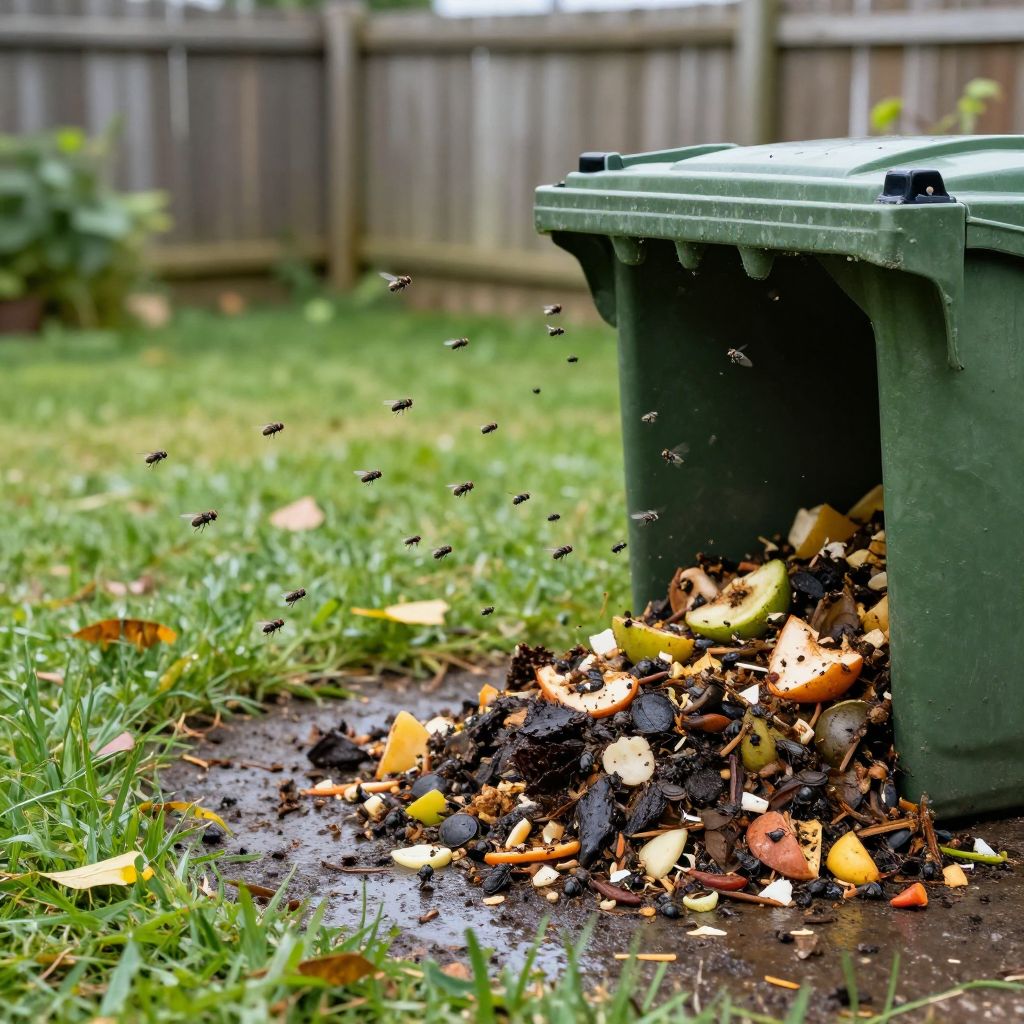
Why are there so many flies in my yard? In most cases, flies are being attracted by food, moisture, or decaying organic matter somewhere on your property. The good news is that yard flies usually point to a fixable condition, not a mysterious infestation.
Once you identify the source, you can usually reduce fly numbers by cleaning up breeding sites, improving drainage, and adjusting how you manage compost, mulch, pet waste, and watering. The key is to find what is drawing them in before you reach for temporary control methods.
Why are there so many flies in my yard?
Flies gather in yards when they find moisture, rotting plant material, manure, garbage, standing water, or sheltered places to breed. Common outdoor flies include house flies, blow flies, fruit flies, fungus gnats, and drain flies near wet areas. Finding and removing the breeding source is the most effective long-term solution.
Common yard conditions that attract flies
1. Pet waste and animal droppings
Dog feces, chicken manure, rabbit droppings, and other animal waste are major fly magnets. They provide both food and a breeding site, especially in warm weather.
If you have pets or backyard livestock, pick up waste promptly and keep composted manure separate from fresh droppings. Even small amounts left in grass or garden beds can keep fly numbers high.
2. Overripe fruit, vegetables, and fallen produce
Fruit flies and house flies are drawn to fallen apples, tomatoes, squash, berries, and any produce that is split, fermenting, or rotting on the ground. This is especially common in vegetable gardens and under fruit trees.
Check under plants and around harvest areas every few days during peak season. Removing damaged produce quickly can make a noticeable difference.
3. Compost that is too wet or too exposed
Compost piles can be excellent for the garden, but they also attract flies if they contain too much kitchen waste, meat scraps, fruit waste on top, or soggy, compacted layers. A pile that smells sour or anaerobic often has too much moisture and not enough airflow.
Healthy compost should smell earthy, not rotten. If it smells bad or stays wet, flies are more likely to breed there.
4. Standing water and poor drainage
Any place that stays damp can become a fly problem, especially if organic debris is present. Birdbaths, clogged gutters, saucers under pots, low spots in the lawn, and poorly drained beds can all contribute.
Some flies breed in wet soil, mulch, or decaying roots. If you see persistent dampness, drainage improvement is often more important than spraying.
5. Mulch, leaf litter, and decaying plant material
Thick layers of wet mulch, piles of leaves, and neglected garden debris can create ideal habitat for flies and other nuisance insects. This is more likely when mulch is piled against stems or stays soggy after rain.
Use mulch in a moderate layer and keep it pulled back slightly from plant crowns and tree trunks. Clean up dead annuals, spent vegetables, and fallen leaves regularly.
6. Garbage, recycling, and outdoor feeding areas
Trash cans, recycling bins, grill areas, and outdoor pet feeding spots can attract flies if they are not cleaned often. Sticky residue, spilled drinks, and food scraps are enough to bring them in from nearby areas.
Use tight-fitting lids, rinse containers when needed, and keep bins away from planting areas if possible.
How to find the fly source in your yard
Start by looking for the wettest, dirtiest, or most decayed spots first. Flies usually breed where there is a mix of moisture and organic matter, so the source is often close by.
- Walk your yard slowly and note where flies are most active.
- Check compost, trash, pet areas, gutters, drains, and any standing water.
- Look under dense plants, boards, pots, tarps, and equipment for damp debris.
- Inspect fruit trees, vegetable beds, and harvest areas for fallen produce.
- Smell problem spots. Sour, rotten, or ammonia-like odors often point to the cause.
If flies seem concentrated near one bed or corner, focus there first. If they are everywhere, look for multiple small sources rather than one big one.
Practical ways to reduce flies in the yard
Clean up breeding material
The fastest way to reduce flies is to remove what they are breeding in or feeding on. This includes rotting fruit, pet waste, dead plant material, and spoiled compost ingredients.
- Pick up fallen fruit and vegetables frequently.
- Remove dead annuals, weeds, and decaying stems.
- Keep pet waste cleanup on a regular schedule.
- Empty or clean bins that hold organic waste.
Improve compost management
If your compost pile is the source, adjust the balance of materials. Add dry “brown” materials such as shredded leaves, straw, or untreated cardboard to absorb moisture and reduce odors.
Turn the pile so air can circulate, and bury fresh kitchen scraps in the center rather than leaving them exposed on top. Avoid adding meat, dairy, oily foods, or large amounts of wet grass clippings if flies are a recurring problem.
Fix drainage and excess moisture
Flies thrive where water lingers. If your yard has soggy spots, improve grading, unclog gutters, empty saucers under containers, and avoid overwatering nearby beds.
For container plants, make sure pots drain freely and do not sit in runoff. For garden beds, loosen compacted soil and add organic matter only after confirming the area is not already staying too wet.
Adjust mulch and ground cover
Mulch helps conserve moisture and suppress weeds, but too much, too wet, or too close to stems can encourage pests. Keep mulch depth reasonable for the material you use, and refresh it only when needed.
Remove old, matted mulch that has started to decompose into a slimy layer. If you use leaf mulch, make sure it is not trapping water against the soil surface for long periods.
Maintain clean edges around the garden
Weedy borders, hidden corners, and cluttered storage areas can become fly refuges. Trim back overgrown vegetation, move unused pots and boards, and keep the area around compost and bins clear.
This also makes it easier to spot new problems early, before they turn into a larger nuisance.
When the flies are coming from your plants
Fungus gnats in pots and damp beds
If the flies are tiny, dark, and hovering around container plants or seedlings, they may be fungus gnats. These insects breed in consistently moist potting mix rich in organic matter.
Let the top layer of potting mix dry slightly between waterings, improve drainage, and remove any decaying leaves or algae on the soil surface. For indoor plants moved outdoors or patio containers, this is often the first place to check.
Drain flies near wet organic matter
Drain flies are fuzzy, mothlike flies that often appear near drains, wet compost, or very damp organic buildup. Outdoors, they can show up around clogged drainage areas, leaky hoses, or saturated soil with decaying matter.
Cleaning the source and drying the area is more effective than repeated spraying.
Blow flies on dead material
Large metallic or blue-green flies often indicate carrion, dead rodents, or very rotten organic matter nearby. If you notice an unusual spike in these flies, inspect under decks, sheds, dense shrubs, and other hidden spaces for dead animals or decaying material.
Use gloves and follow local disposal rules if you find a carcass or contaminated material.
What not to do when you have a fly problem
- Do not rely only on sprays if the breeding source is still present.
- Do not leave compost uncovered and wet for long periods.
- Do not let pet waste accumulate, even in a small side yard.
- Do not overwater beds just because the surface looks dry.
- Do not ignore hidden debris under pots, tarps, or garden furniture.
Temporary control methods help only if the source is also corrected. Otherwise, flies keep returning because the yard is still offering them food and breeding sites.
Seasonal factors that make fly problems worse
Fly activity usually increases in warm weather because eggs hatch faster and organic matter breaks down more quickly. After rain, flies may become more noticeable if the yard stays damp or if compost and mulch hold moisture.
In spring, old leaves and winter debris often become breeding sites. In summer, fruit drop, heavy watering, and faster decay can intensify the problem. In fall, fallen produce and leaf litter are common triggers.
How to keep flies from coming back
- Inspect the yard weekly for fallen fruit, waste, and wet debris.
- Keep compost balanced, covered, and turned as needed.
- Water only as much as your soil and plants need.
- Maintain drainage in beds, containers, and low spots.
- Keep trash sealed and outdoor feeding areas clean.
- Remove dead plant material before it breaks down too far.
If you garden in a humid climate, you may need to stay especially vigilant because moisture and decay happen faster. In drier climates, flies may cluster around irrigation leaks, shaded damp corners, or compost that is watered too heavily.
When to get extra help
If you have cleaned up obvious sources and flies are still overwhelming your yard, the issue may be hidden. Look for buried organic waste, a dead animal under a structure, a drainage failure, or a neglected compost area nearby.
If the problem is tied to a neighbor’s property, shared drainage, or a larger sanitation issue, you may need to address it together or contact local services if appropriate.
Conclusion
When you ask, “Why are there so many flies in my yard,” the answer is usually some combination of moisture, decay, and accessible organic matter. Start by inspecting compost, pet waste, fallen produce, standing water, and damp debris, then remove or correct the source.
For more practical help with keeping your outdoor space healthy and manageable, you may also want to read about composting basics and garden drainage solutions.