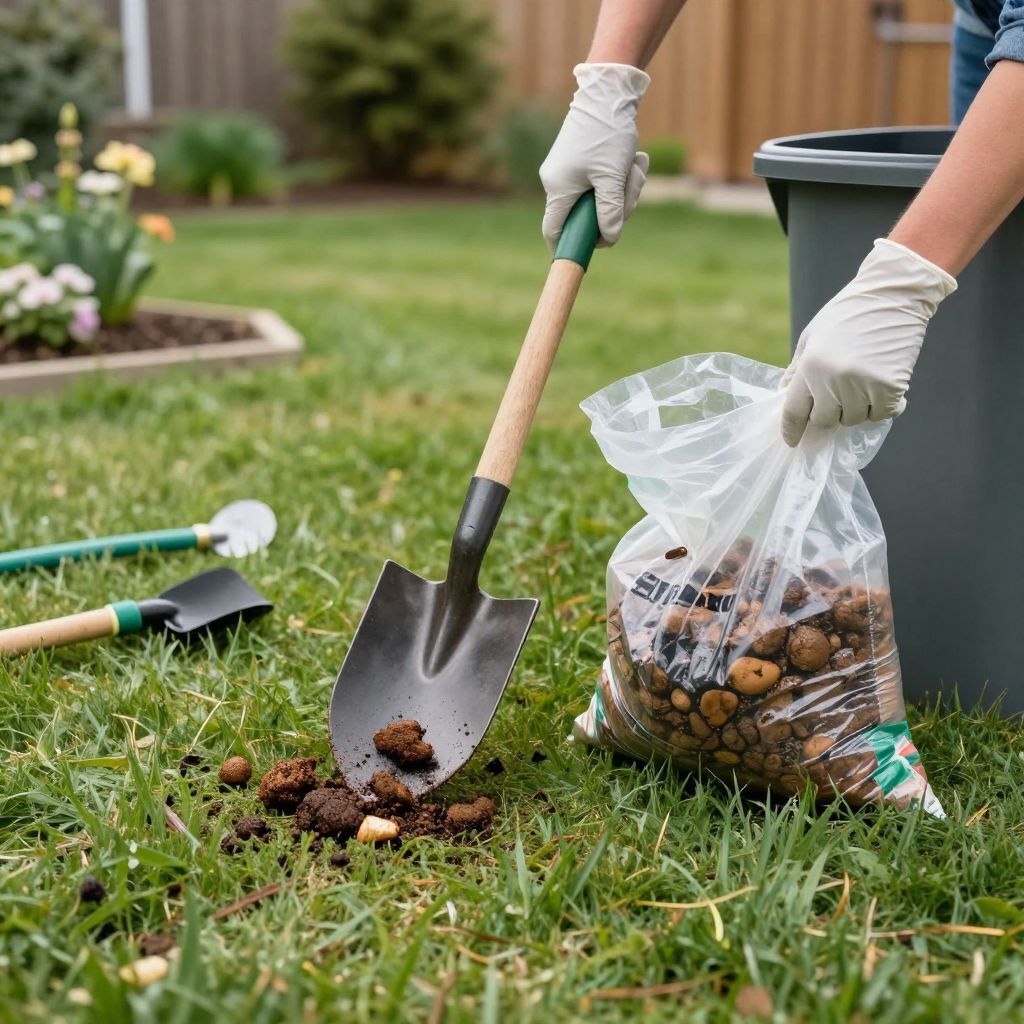
Can dog poop be used as fertilizer? It’s a common question for gardeners who want to reduce waste, but the short answer is no: dog feces should not be used directly on garden beds, vegetables, lawns, or houseplants. It can carry harmful bacteria, parasites, and other pathogens that make soil unsafe for people and pets.
If you want to garden responsibly, the safer approach is to handle dog waste as a potential contamination source and keep it out of compost and growing areas unless you use a system designed specifically for pet waste. Here’s what to do instead, and how to protect your soil, plants, and harvests.
Can dog poop be used as fertilizer?
Dog poop should not be used as fertilizer in the same way manure from herbivores sometimes is. Unlike cow or horse manure, dog waste can contain parasites, harmful bacteria, and medication residues. Even when it breaks down, it is not considered safe for edible gardens or for direct soil amendment.
Why dog waste is a problem in the garden
Dog feces is not just “organic matter.” It may contain organisms that can survive in soil for a long time, especially if the waste is left on the surface or added to an ordinary compost pile.
Health risks to people and pets
- Bacteria: Pathogens such as E. coli or Salmonella can contaminate soil and produce.
- Parasites: Worm eggs and other parasites may persist in garden soil.
- Runoff concerns: Rain can move contamination into nearby beds, paths, or drains.
- Pet exposure: Other dogs may investigate contaminated areas and spread waste further.
Why it is different from livestock manure
Well-managed manure from herbivores can sometimes be composted and used safely after thorough heat treatment and aging. Dog waste is different because dogs are omnivores and can carry more disease risks relevant to humans. That is why most home gardeners treat it as a disposal issue, not a fertilizer source.
What to do with dog poop instead
The best option is to remove dog waste promptly and dispose of it in a way that keeps it out of garden soil. The exact method depends on your local waste rules and what facilities are available.
Safer disposal options
- Scoop waste daily from lawns, runs, or yard edges.
- Bag it securely if your local waste service allows pet waste in trash.
- Use a dedicated pet-waste system if approved in your area.
- Keep waste away from compost piles, vegetable beds, and water runoff paths.
If you have a large yard or several dogs, a designated cleanup station can make the job easier. Keep a scoop, gloves, and sealed bags in one place so waste is removed before it accumulates.
Can dog poop go in compost?
Most home compost piles are not hot or consistent enough to make dog poop safe. Standard backyard composting usually does not reliably destroy all pathogens, especially if the pile is small, cool, or turned irregularly.
When composting may be possible
Only specialized pet-waste composting systems are designed for this material, and even then the finished compost should not be used on edible crops. If you are not using a system built for pet waste, do not add dog poop to your compost bin, tumbler, or worm bin.
What not to compost with dog waste
- Kitchen scraps for edible-garden compost
- Leaf mold used around vegetables
- Worm bins
- Cold compost piles
- Mulch intended for food beds
If dog poop has already been in your garden
Accidents happen. If your dog has used a bed, lawn, or pathway, the goal is to reduce contact and prevent contamination from spreading.
Cleanup steps for soil and hard surfaces
- Remove all solid waste with gloves or a scoop.
- Dispose of it according to local rules.
- Wash tools, shoes, and gloves after use.
- If waste was on a hard surface, scrub the area with soap and water.
- Keep pets and children away from the area until it is clean and dry.
For soil, do not assume that scraping the surface is enough to “sanitize” it. If waste repeatedly lands in one spot, consider changing how you use that area, such as fencing it off, mulching paths, or training your dog to relieve itself elsewhere.
How to protect vegetables, herbs, and fruiting plants
Edible gardens need extra caution because contamination on soil can reach leaves, fruit, and hands during harvest. This is especially important for low-growing crops such as lettuce, strawberries, carrots, and herbs.
Practical prevention tips
- Keep dogs out of vegetable beds with fencing or low barriers.
- Use raised beds if you need clearer separation from lawn areas.
- Mulch paths to make cleanup easier and reduce splashback.
- Wash hands after handling pets, soil, or garden tools.
- Rinse harvested produce well, even from clean beds.
If your dog has access to the yard, place edible crops where they are least likely to be crossed or disturbed. Trellised beans, tomatoes, and other taller crops are easier to keep clean than ground-hugging greens, but they still need protection from contaminated soil and splashing.
How to make the garden safer around dogs
Good garden design can reduce mess and make cleanup easier. You do not need a perfect setup, but a few simple changes can greatly lower risk.
Useful layout ideas
- Separate zones: Keep play areas, potty areas, and planting beds apart.
- Defined paths: Use gravel, pavers, or mulch where dogs commonly walk.
- Raised planting areas: These help keep soil and produce cleaner.
- Easy-clean borders: Edging helps keep waste from drifting into beds.
Training and routine help too
Regular cleanup is easier if your dog has a consistent potty area. Training your dog to use one part of the yard can reduce the chance of waste landing in planting beds or around compost storage.
Common mistakes gardeners make with dog poop
Many gardeners try to treat dog waste like ordinary manure, but that can create avoidable problems. These are the most common mistakes to avoid.
- Adding it to the compost pile: This is the biggest and most common error.
- Using it on vegetable beds: Unsafe for crops eaten raw or lightly cooked.
- Leaving it on the lawn: It can spread contamination and create dead spots.
- Assuming rain will wash it away: Rain usually spreads the problem rather than solving it.
- Using “natural” as a reason to reuse it: Natural does not automatically mean safe in a food garden.
What about ornamental beds and lawns?
Even in non-edible areas, dog poop is still not a fertilizer you should spread around. It can burn turf in concentrated spots, attract flies, and create unpleasant odors. Ornamental shrubs and flowers do not make the waste safe.
Better ways to feed ornamental plants
Use composted leaf mold, well-finished garden compost, or a fertilizer suited to the plant type and soil test results. These options improve soil structure and nutrition without introducing pet-waste contamination.
When to call a professional or check local rules
Some areas have specific rules for pet waste disposal, especially in shared gardens, community plots, apartment landscapes, or near drainage systems. If you garden in a community space, ask about the site’s sanitation rules before making any disposal plan.
If you are unsure whether a composting system is appropriate for pet waste, check the manufacturer’s guidance and your local regulations. When in doubt, keep dog waste out of the garden entirely.
The bottom line for home gardeners
Dog poop is not a safe fertilizer for home gardens. The safest practice is to pick it up promptly, dispose of it properly, and keep it out of compost, vegetable beds, and lawn areas where people or pets may contact it.
If you want to improve your garden soil safely, focus on clean compost, mulching, soil testing, and good bed design instead. For more practical garden planning, you may also want to read about composting basics for home gardeners and how to build a pet-safe vegetable garden.