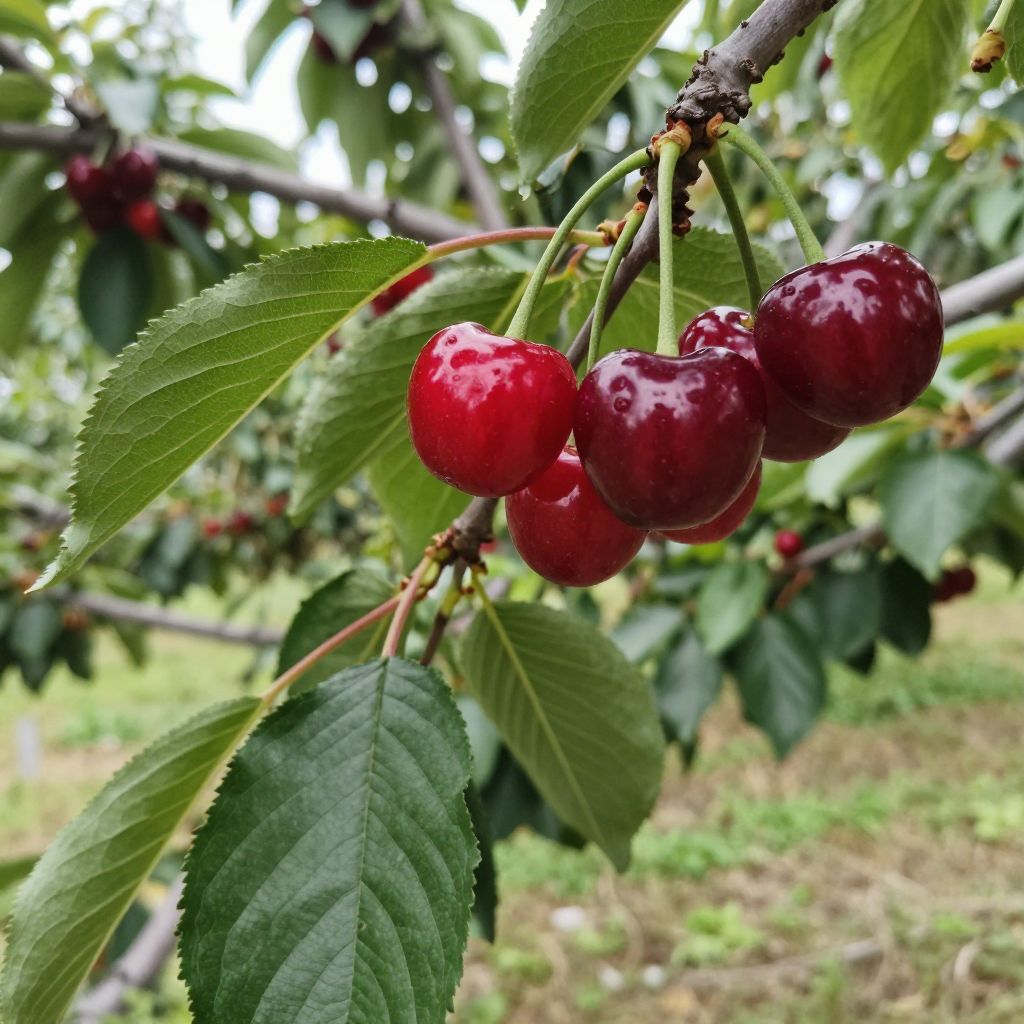
Are cherries in season now? If you’re checking whether it’s the right time to buy, pick, or plan for cherries in your garden, the answer depends on your climate and the type of cherry tree you grow. Sweet cherries and tart cherries ripen at different times, and local weather can shift the harvest by several weeks.
For gardeners, “in season” also means more than fruit availability. It’s a useful cue for pruning, monitoring pests, watering during fruit swell, and deciding when to plant or care for a young cherry tree for next year’s crop.
Are cherries in season now?
Cherries are typically in season from late spring into early summer in many temperate regions, with sweet cherries ripening first in some areas and tart cherries following soon after. Exact timing varies by local climate, elevation, and variety, so the best answer is to check what is ripening in your region right now rather than relying on a universal calendar.
How cherry season usually works
Cherry season is short, which is why timing matters so much. Most home gardeners grow either sweet cherries (Prunus avium) or tart/sour cherries (Prunus cerasus), and both respond strongly to spring temperatures.
What affects ripening time
- Climate: Warm springs can push harvest earlier; cool springs can delay it.
- Elevation: Higher elevations often ripen later.
- Variety: Early, midseason, and late cultivars extend the window.
- Sun exposure: Trees in full sun usually ripen more evenly.
- Local weather: Rain, frost, and heat waves can change fruit quality and timing.
If you are buying cherries from a market, “in season” usually means the fruit is freshly harvested, firm, glossy, and flavorful. If you are growing them, it means your tree is entering the most important period for fruit quality and pest monitoring.
How to tell when cherries are ready to harvest
Cherries do not ripen much after picking, so harvest timing is important. Ripe fruit should have full color for the variety, taste sweet or pleasantly tart, and detach easily with the stem attached on sweet cherries.
Signs cherries are ready
- Color is fully developed: Red, dark red, yellow-red, or nearly black depending on cultivar.
- Fruit feels firm but not hard: Overly soft cherries spoil quickly.
- Flavor is balanced: Taste a few from different parts of the tree.
- Stems separate cleanly: On sweet cherries, ripe fruit should come off with a gentle lift.
Do not judge ripeness by size alone. Some cherries become large before they are fully sweet, especially if the crop is heavy or the tree is under stress.
Common harvest mistakes
- Picking too early because the fruit looks colorful.
- Leaving ripe fruit too long on the tree, which invites birds and cracking.
- Pulling fruit roughly and damaging spurs or stems.
Growing cherries well in the garden
If you want cherries in season at home next year, good tree care starts long before harvest. Cherries need the right site, steady moisture, and careful pruning to stay productive and healthy.
Best growing conditions
- Sun: Full sun is essential for fruiting and disease reduction.
- Soil: Well-drained soil is critical; cherries dislike wet feet.
- Airflow: Open sites help foliage dry faster after rain.
- Space: Trees need room for light penetration and pruning access.
Cherries perform best in soil that drains well after rain. If water puddles for hours or the soil stays soggy, roots may decline and the tree may struggle to flower and fruit reliably.
Soil and compost
Before planting, improve the soil with compost if it is low in organic matter, but avoid creating a rich, water-holding planting hole in an otherwise heavy clay site. The goal is to encourage roots to spread into the surrounding soil, not sit in a pocket that stays wet.
- Work in compost across the planting area, not just in the hole.
- Avoid burying the graft union.
- Use mulch to conserve moisture and protect roots, but keep it a few inches away from the trunk.
Watering during fruit development
Cherry trees need consistent moisture, especially while fruit is sizing up. Irregular watering can contribute to poor fruit quality and may increase cracking in some conditions.
- Water deeply when the top layer of soil begins to dry.
- Adjust for rainfall, soil type, and tree age.
- Young trees usually need more frequent attention than established trees.
Try to avoid sudden swings from very dry to very wet soil. That pattern can stress the tree and affect fruit quality.
Pruning cherries at the right time
Pruning helps cherries stay productive, but timing matters. Many gardeners prune after harvest or during dry weather to reduce disease risk, especially on sweet cherries.
What pruning should do
- Remove dead, damaged, or crossing branches.
- Improve light and air movement through the canopy.
- Keep fruiting wood accessible for future harvests.
- Prevent the tree from becoming too tall to manage.
Use clean, sharp tools and make careful cuts. Avoid heavy pruning in one season, because that can trigger excessive leafy growth and reduce fruiting.
Simple pruning priorities
- Start by removing broken or diseased wood.
- Thin crowded branches that rub together.
- Shorten overly tall leaders only if needed for access.
- Step back often and keep the canopy balanced.
Common cherry pests and diseases to watch for
When cherries are in season, the tree is also attractive to pests and vulnerable to fruit problems. Early detection makes a big difference.
Typical pests
- Birds: Often the biggest harvest thief; netting may be necessary.
- Aphids: Can cluster on new growth and curl leaves.
- Fruit flies or maggots: Can affect ripening fruit in some regions.
- Spotted wing drosophila: A major concern in many fruit-growing areas.
Common diseases
- Brown rot: Causes fruit to soften, shrivel, or rot on the tree.
- Leaf spot: Can lead to premature leaf drop and weaker trees.
- Bacterial canker: More likely in stressed trees or poorly sited plantings.
- Cracking: Often follows rain near harvest, especially on some sweet cherries.
Good airflow, sanitation, and prompt removal of damaged fruit help reduce problems. Pick up fallen fruit and prune out diseased wood when conditions are dry.
Practical prevention tips
- Keep the area under the tree clean of rotting fruit.
- Thin overly dense growth so leaves dry faster.
- Use bird netting before fruit colors up.
- Harvest promptly once fruit is ripe.
Planting a cherry tree for future seasons
If you are planning ahead because cherries are in season now, this is a good time to think about next year’s tree. Planting timing depends on your climate, but the site and setup matter more than the calendar alone.
What to look for in a planting site
- Full sun for most of the day.
- Well-drained soil with moderate fertility.
- Protection from strong winds if possible.
- Enough room for mature spread and height.
Many cherries need a compatible pollination partner to set fruit well, while some are self-fertile. Check the tree’s pollination needs before planting so you are not disappointed later.
Young tree care basics
- Stake only if needed, and remove stakes once the tree is stable.
- Mulch lightly to conserve moisture and suppress weeds.
- Keep grass and weeds away from the trunk zone.
- Train the tree early so the structure is manageable later.
How to extend the harvest window
You cannot make cherries stay in season forever, but you can stretch the usable harvest by choosing the right mix of varieties and caring for the tree well.
Ways to lengthen cherry season in a home garden
- Plant early, midseason, and late varieties if space allows.
- Choose cultivars suited to your local chill and climate conditions.
- Protect fruit from birds so more of the crop reaches maturity.
- Water consistently during dry spells to support fruit size and quality.
For most gardeners, the best strategy is not trying to force an off-season crop. It is choosing varieties that match your region so the tree fruits reliably during the natural season.
Troubleshooting poor cherry crops
If your tree flowers but does not produce good fruit, the cause is often environmental rather than a single care mistake. Cherries are sensitive to weather, pollination, and pruning history.
Why fruit may be missing or poor quality
- Late frost damaged blossoms.
- Pollination was incomplete.
- The tree was overpruned or shaded.
- Soil stayed too wet or too dry.
- Pests or disease weakened the crop.
If fruit cracks after rain, that is usually a weather issue, not a care failure. Harvest promptly when ripening begins, and focus on improving drainage, canopy airflow, and variety selection for future seasons.
Conclusion
So, are cherries in season now? In many places, yes if it is late spring or early summer, but the exact window depends on your local climate and the variety you grow. Check fruit color, flavor, and stem attachment, then harvest promptly and keep the tree healthy for next year’s crop.
For more practical fruit-tree guidance, you may also find related reading helpful on pruning fruit trees and improving garden soil drainage.