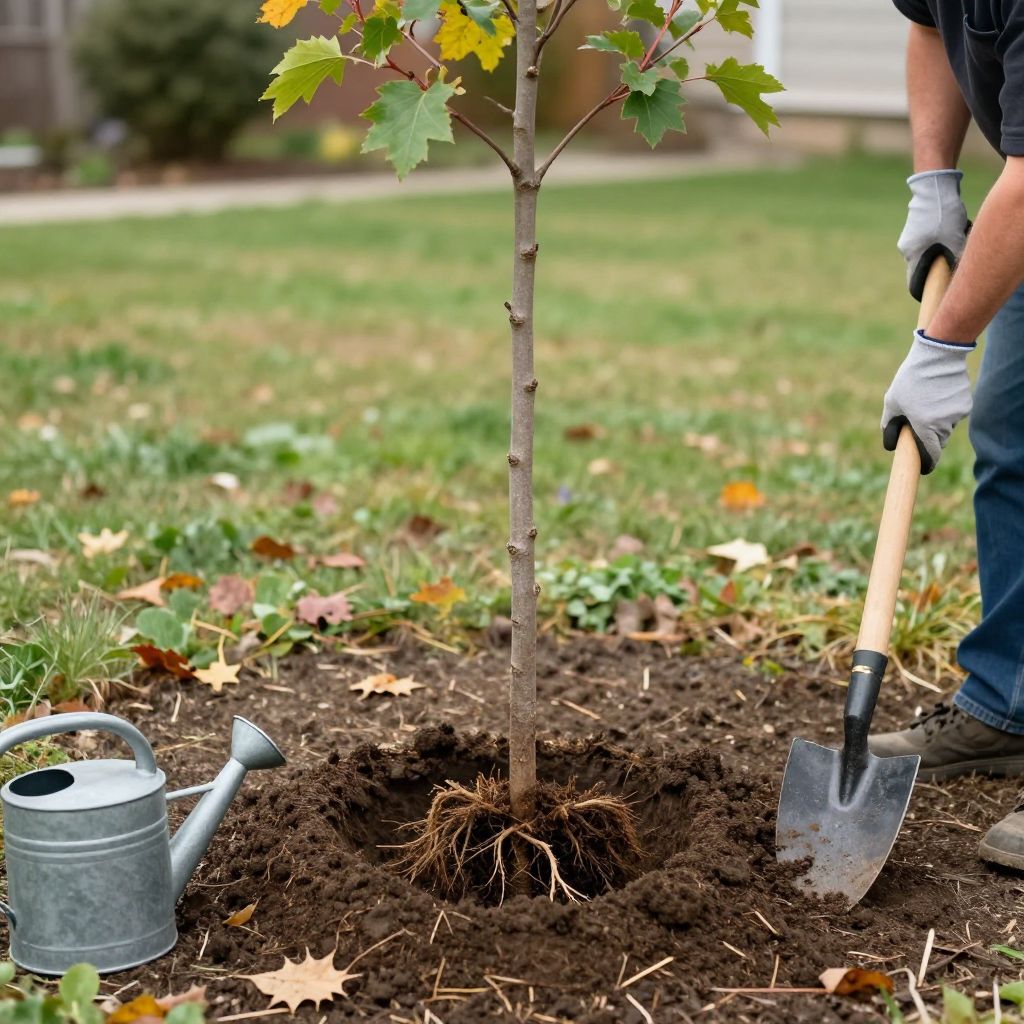
When is the best time to plant a tree? The short answer is usually when the tree is dormant and the weather is mild, so roots can establish without the stress of hot sun or freezing ground. In many climates, that means fall or early spring.
The right timing also depends on the tree type, whether it is bare-root, balled-and-burlapped, or container-grown, and how your local soil and weather behave. A well-timed planting gives your tree a stronger start, better root growth, and less transplant shock.
When is the best time to plant a tree?
The best time to plant a tree is generally during the dormant season: late fall after leaf drop or early spring before bud break. In cooler climates, fall often gives roots more time to grow before summer heat arrives. In colder regions, spring may be safer if the ground freezes hard or drains poorly.
Why timing matters for tree planting
Tree roots need time to spread into surrounding soil before the top growth demands too much water. If you plant during extreme heat, active growth, or frozen conditions, the tree may struggle to establish.
Good timing reduces stress, improves survival, and often means less watering later. It also helps the tree settle into the landscape before pests, drought, or temperature swings become a problem.
Best seasonal windows by climate
- Temperate climates: Fall is often ideal, with early spring as the next best option.
- Cold climates: Early spring is usually safest if winter arrives early or the soil freezes deeply.
- Hot, dry climates: Fall planting can work well because roots establish during cooler weather.
- Mild, wet climates: Fall or winter planting may be possible if the soil drains well and is workable.
Which type of tree are you planting?
Tree form changes the best planting window. Bare-root trees are usually planted while dormant, container-grown trees offer more flexibility, and balled-and-burlapped trees should still be planted when conditions are cool and manageable.
Bare-root trees
Bare-root trees are best planted in late fall to early spring while dormant. Plant them as soon as possible after purchase, because exposed roots dry out quickly.
Container-grown trees
Container-grown trees can often be planted over a longer season, but avoid the hottest part of summer if you can. Even though the roots are protected in soil, the tree still needs steady moisture and time to adjust.
Balled-and-burlapped trees
These are commonly planted in fall or spring. Handle them carefully, because the root ball is heavy and can dry out or break apart if left sitting too long.
How to choose the right planting time for your yard
Local conditions matter more than the calendar alone. Soil temperature, drainage, frost dates, and rainfall patterns all affect how well a tree establishes.
- Check your local frost dates. Plant early enough for roots to settle before hard freezes or summer heat.
- Test soil drainage. If water sits in the hole for hours, wait and improve drainage first.
- Watch the forecast. Avoid planting right before a heat wave, deep freeze, or prolonged storm.
- Consider the tree’s growth cycle. Dormant trees usually transplant more easily than actively growing ones.
Signs the timing is right
- The soil is workable, not frozen or waterlogged.
- Temperatures are mild and stable.
- The tree is dormant or just beginning to wake up.
- You can water consistently during the first several weeks.
How to plant a tree for the best start
Proper planting technique matters as much as timing. A tree planted at the right season can still fail if it is set too deep, planted in compacted soil, or left with damaged roots.
Step-by-step planting guide
- Choose the site carefully. Match the tree’s light, space, and soil needs to the location.
- Dig a wide hole. Make it 2 to 3 times as wide as the root ball, but no deeper than the root flare.
- Find the root flare. The trunk should widen slightly where roots begin. That point should sit at or just above soil level.
- Loosen circling roots. Gently tease apart roots on container trees so they do not keep circling.
- Backfill with native soil. In most cases, use the soil you removed rather than filling the hole with lots of amended mix.
- Water deeply. Soak the root zone to settle soil and remove air pockets.
- Mulch correctly. Add 2 to 4 inches of mulch in a wide ring, keeping it away from the trunk.
What not to do
- Do not plant too deep.
- Do not pile mulch against the trunk.
- Do not add fertilizer at planting unless a soil test or expert recommendation says to.
- Do not let roots dry out before planting.
Soil, drainage, and sunlight considerations
A tree planted at the best time still needs the right growing conditions. Most trees establish best in soil that drains well, has enough organic matter, and matches the tree’s sunlight needs.
Soil and compost
If your soil is very poor, a small amount of compost mixed into the backfill can help, but avoid over-amending the entire planting hole. A tree should learn to grow into the surrounding native soil, not stay confined to a rich pocket that discourages root spread.
If the site is compacted, loosen a broad area around the planting hole rather than only digging a deep narrow pit. Roots need oxygen as well as moisture.
Drainage problems
Tree roots need air. If your soil stays wet for long periods, choose a species that tolerates moisture or plant on a raised berm or mound where appropriate. Poor drainage is one of the most common reasons newly planted trees fail.
Sun exposure
Match the tree to the site. Full-sun trees need at least 6 hours of direct sun, while shade-tolerant trees may scorch or grow weakly in too much sun. Planting time does not fix a bad site choice.
Watering after planting
New trees need regular moisture while roots establish, especially during the first growing season. The goal is deep, even watering, not frequent shallow sprinkles.
- Water immediately after planting.
- Check soil moisture a few inches below the surface before watering again.
- Water more often during hot, windy, or dry weather.
- Reduce watering during cool, rainy periods so the soil does not stay soggy.
Tip: A slow soak from a hose, soaker hose, or watering basin usually works better than a quick splash. The root zone should be moist, not muddy.
Pruning, staking, and early maintenance
Newly planted trees usually need very little pruning at first. Remove only broken, dead, or crossing branches, and save major shaping for later unless there is a structural issue.
Staking only when needed
Stake a tree only if it is unstable or exposed to strong wind. If you do stake it, use soft ties and remove the stakes after the tree can stand on its own, usually within one growing season.
Mulching for establishment
Mulch helps conserve moisture and moderate soil temperature. Keep the mulch ring wide, but never let mulch touch the trunk, which can trap moisture and invite rot or pests.
Common mistakes that affect planting success
Many tree problems begin at planting time. Avoiding a few common errors can make a big difference in long-term health.
- Planting at the wrong depth: Too deep can suffocate roots and invite trunk rot.
- Ignoring root-bound plants: Circling roots can girdle the tree later if not corrected.
- Planting in extreme weather: Heat, drought, or frozen soil slows establishment.
- Overwatering or underwatering: Both can stress roots and cause decline.
- Using too much fertilizer: Extra nutrients can burn roots or push weak top growth.
How to tell if your newly planted tree is struggling
Some transplant shock is normal, but severe decline needs attention. Watch for wilting, leaf scorch, yellowing, poor bud break, or branch dieback.
Troubleshooting early problems
- Wilting in warm weather: Check soil moisture and water deeply if dry.
- Yellow leaves: Look for poor drainage, overwatering, or compacted soil.
- Leaves dropping early: The tree may be stressed by heat, root damage, or planting too late.
- No new growth: Confirm the tree is alive by checking for flexible twigs and green tissue under the bark.
If a tree is declining quickly, inspect the root flare, drainage, and watering routine before assuming disease. Many problems are cultural rather than pest-related.
Can you plant a tree in summer?
Yes, but it is usually harder. Summer planting is possible with container-grown trees if you can water carefully and protect the tree from heat stress. It is not the first choice for most gardeners, especially in hot or dry regions.
If summer is your only option, plant in the cool part of the day, mulch well, and monitor moisture closely for several weeks. Avoid planting during a heat wave or drought if possible.
Can you plant a tree in winter?
In mild climates, winter planting can work if the soil is not frozen or saturated. In colder regions, however, frozen ground makes digging difficult and root growth very limited. Early spring is often safer there.
Winter planting should only be done when the tree can be set properly and the soil remains workable. If not, hold the tree temporarily in a protected spot until conditions improve.
Conclusion: the best time is the one that gives roots a head start
When is the best time to plant a tree? In most cases, choose fall or early spring, when the tree is dormant and the weather is mild. Then focus on correct planting depth, good drainage, and steady watering so the roots can establish before stress arrives.
If you are unsure about your tree’s type or site conditions, it can help to identify the tree first and match the planting season to its needs. You can also read more about how to identify what type of tree is this before you plant.