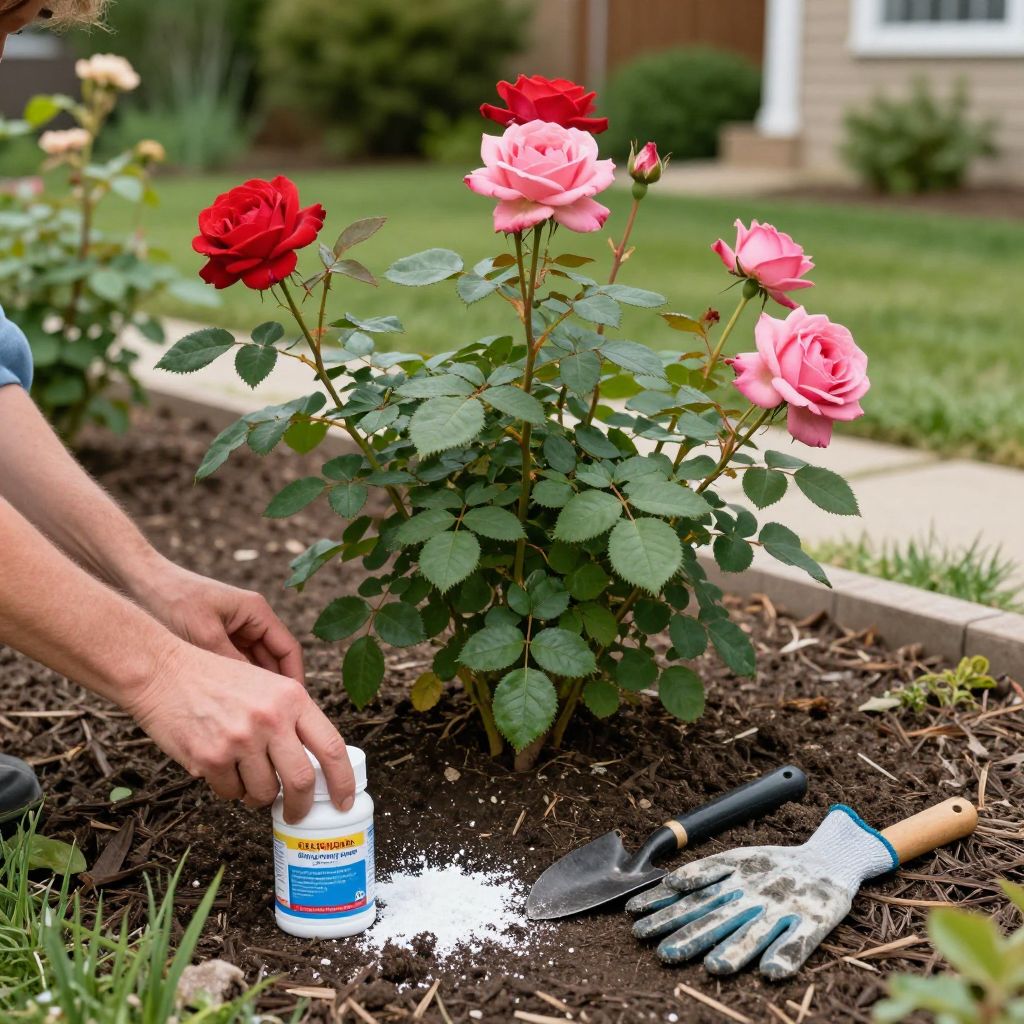
What is the best fertilizer for roses? The short answer is a balanced, rose-friendly fertilizer that supports steady growth, healthy canes, and repeat blooming without pushing weak, leafy growth. In most gardens, that means choosing a complete fertilizer with moderate nitrogen, plus enough phosphorus and potassium for roots and flowers.
The best choice also depends on your soil, your rose type, and whether you prefer organic or synthetic feeding. Roses respond best when fertilizer is paired with good sunlight, rich soil, proper watering, and regular pruning.
What Is The Best Fertilizer For Roses?
The best fertilizer for roses is usually a balanced fertilizer made for flowering shrubs or roses, with nutrients that support both foliage and blooms. Look for a product that is not overly high in nitrogen, since too much nitrogen can produce lush leaves but fewer flowers. Organic options like compost, aged manure, and alfalfa meal also work well when used correctly.
How to choose the right rose fertilizer
Roses are heavy feeders, but they do not need the strongest fertilizer on the shelf. They need a steady supply of nutrients, especially in active growth, and they benefit most from a balanced approach rather than a quick burst of nitrogen.
What the numbers mean
Fertilizer labels show an N-P-K ratio:
- N = nitrogen for leafy growth
- P = phosphorus for roots and flowering
- K = potassium for overall plant strength and bloom quality
For roses, many gardeners do well with a balanced or lightly bloom-focused fertilizer rather than one that is heavily nitrogen-based. If your rose is already growing vigorously but blooming poorly, a lower-nitrogen option is often a better fit.
Organic vs. synthetic fertilizer
Both can work well if used properly.
- Organic fertilizers release nutrients slowly and help improve soil structure over time.
- Synthetic fertilizers act faster and can be useful when a plant needs a quicker nutrient boost.
If your soil is poor, sandy, or very compacted, organic matter is especially valuable because it improves moisture retention and nutrient availability. If you need a more predictable feeding schedule, a rose fertilizer formulated for flowering shrubs can be convenient.
Best fertilizer options for roses by situation
For most home gardens
A balanced fertilizer or rose-specific fertilizer is usually the safest choice. It supports repeat flowering without encouraging excessive soft growth that can attract pests.
For organic gardeners
Compost, well-rotted manure, and other slow-release organic amendments are excellent foundations. These improve soil health and feed the plant gradually, which is especially helpful in established beds.
For container roses
Potted roses need more frequent feeding because nutrients wash out of containers faster than garden soil. A diluted, balanced liquid fertilizer or a slow-release granular fertilizer designed for containers can work well, depending on your climate and watering habits.
For newly planted roses
New roses need time to settle in. In many cases, it is better to focus on watering and root establishment first, then begin light feeding once the plant is actively growing and showing signs of recovery from transplant stress.
When to fertilize roses
Timing matters as much as the fertilizer itself. Roses usually benefit most during active growth, when they are forming new leaves, stems, and buds.
- Spring: Begin feeding when new growth starts and the soil is warming.
- After the first bloom flush: A light feeding can support repeat flowering.
- Midseason: Feed only if the plant is still actively growing and your growing season is long enough.
- Late season: Avoid heavy feeding late in the year, especially with high-nitrogen products, because tender growth may be damaged by cold.
In warm climates with long growing seasons, roses may need more frequent light feeding. In cooler regions, fewer applications are usually better. Always adjust to your local weather and your rose’s growth rate.
How to fertilize roses correctly
Good fertilizer use is about placement, timing, and moderation. Overfeeding can be just as harmful as underfeeding.
- Water the rose first if the soil is dry.
- Apply fertilizer around the root zone, not directly against the stems.
- Work granular fertilizer lightly into the topsoil if the label allows.
- Water again after application unless the product instructions say otherwise.
- Mulch afterward to help conserve moisture and stabilize soil temperature.
Never pile fertilizer against the crown or canes. That can burn roots and damage the plant.
How much should you use?
Use the label directions for your specific product, because concentrations vary widely. If you are unsure, start conservatively. Roses usually respond better to consistent, moderate feeding than to large doses.
Soil, compost, and drainage matter too
Fertilizer works best when the soil already supports healthy roots. Roses prefer soil that drains well but still holds enough moisture to stay evenly damp.
If your soil is heavy clay, improve it with compost and organic matter so water can move through more easily. If your soil is sandy, compost helps it hold nutrients and moisture longer. In either case, healthy soil makes fertilizer more effective.
Why compost helps roses
Compost does more than feed plants. It improves soil texture, supports beneficial soil life, and reduces the risk of nutrient leaching. A yearly topdressing of compost is one of the simplest long-term improvements you can make for roses.
Common fertilizer mistakes with roses
Many rose problems come from feeding errors rather than a lack of fertilizer.
- Using too much nitrogen: causes lots of leaves and fewer flowers.
- Fertilizing drought-stressed plants: can scorch roots and worsen stress.
- Feeding too late in the season: may trigger weak growth before cold weather.
- Ignoring poor soil: fertilizer cannot fully fix compacted or waterlogged ground.
- Overfertilizing containers: can build up salts and damage roots.
If your rose looks unhealthy, do not assume it needs more fertilizer. Yellowing leaves, poor blooming, or stunted growth can also come from pests, disease, root problems, bad drainage, or too little sun.
Signs your rose may need feeding
Roses that are underfed may show slow growth, pale foliage, and fewer flowers than expected. But these signs can overlap with other issues, so look at the whole plant before you feed.
- Weak, thin new canes
- Smaller-than-normal leaves
- Reduced bloom production
- Overall pale color, especially on older leaves
If the plant is in shade, crowded, or suffering from poor drainage, fertilizer alone will not solve the problem. Fix the growing conditions first, then feed as needed.
Sunlight, watering, and pruning affect fertilizer results
Roses need strong light to use fertilizer well. In most gardens, they bloom best with at least 6 hours of direct sun, though local heat and climate can affect what is ideal.
Watering
Keep soil evenly moist, especially after feeding. Dry, stressed roots cannot absorb nutrients efficiently, and irregular watering can lead to poor growth and fewer blooms.
Pruning
Pruning helps direct energy into strong new growth and flower production. Remove dead, damaged, or crossing canes, and shape the plant to improve air circulation. Better airflow also helps reduce disease pressure, which makes fertilizer more effective because the plant is not wasting energy on stress.
Pests and diseases can mimic nutrient problems
Before changing fertilizer, check for common rose issues such as aphids, black spot, powdery mildew, and spider mites. These problems can weaken the plant and make leaves look pale, spotted, or distorted.
If you see disease, remove badly affected leaves, clean up fallen debris, and improve airflow. Avoid overhead watering where possible, since wet foliage can encourage fungal problems. A healthy feeding routine will help, but it should be part of a broader care plan.
A simple feeding plan for roses
If you want a practical routine, keep it simple and adaptable to your climate.
- Start with healthy soil and a mulch layer.
- Feed lightly when spring growth begins.
- Water deeply after fertilizing.
- Repeat a moderate feeding after the first major bloom flush if the plant is actively growing.
- Stop heavy feeding well before cold weather arrives.
This approach works well for many garden roses, but always adjust for your region, your variety, and the plant’s growth. A rose that is growing slowly in cool weather needs less fertilizer than one in active summer growth.
Propagation and new plants: do not rush fertilizer
If you are growing roses from cuttings or planting a new nursery rose, avoid strong fertilizer at the start. Young roots are more sensitive, and too much fertilizer can slow establishment.
Focus first on stable moisture, good drainage, and gentle care. Once the plant is actively growing and rooted in, begin a light feeding program suited to its size and vigor.
Conclusion: the best fertilizer for roses is the one that fits your plant and soil
The best fertilizer for roses is usually a balanced, moderate fertilizer or a steady organic feeding plan that supports blooms without forcing weak growth. Pair it with compost, good drainage, regular watering, and enough sun, and your roses will usually respond much better than they would to heavy feeding alone.
For more useful garden care, you may also want to read about how to prune roses for stronger blooms and improving garden soil with compost.