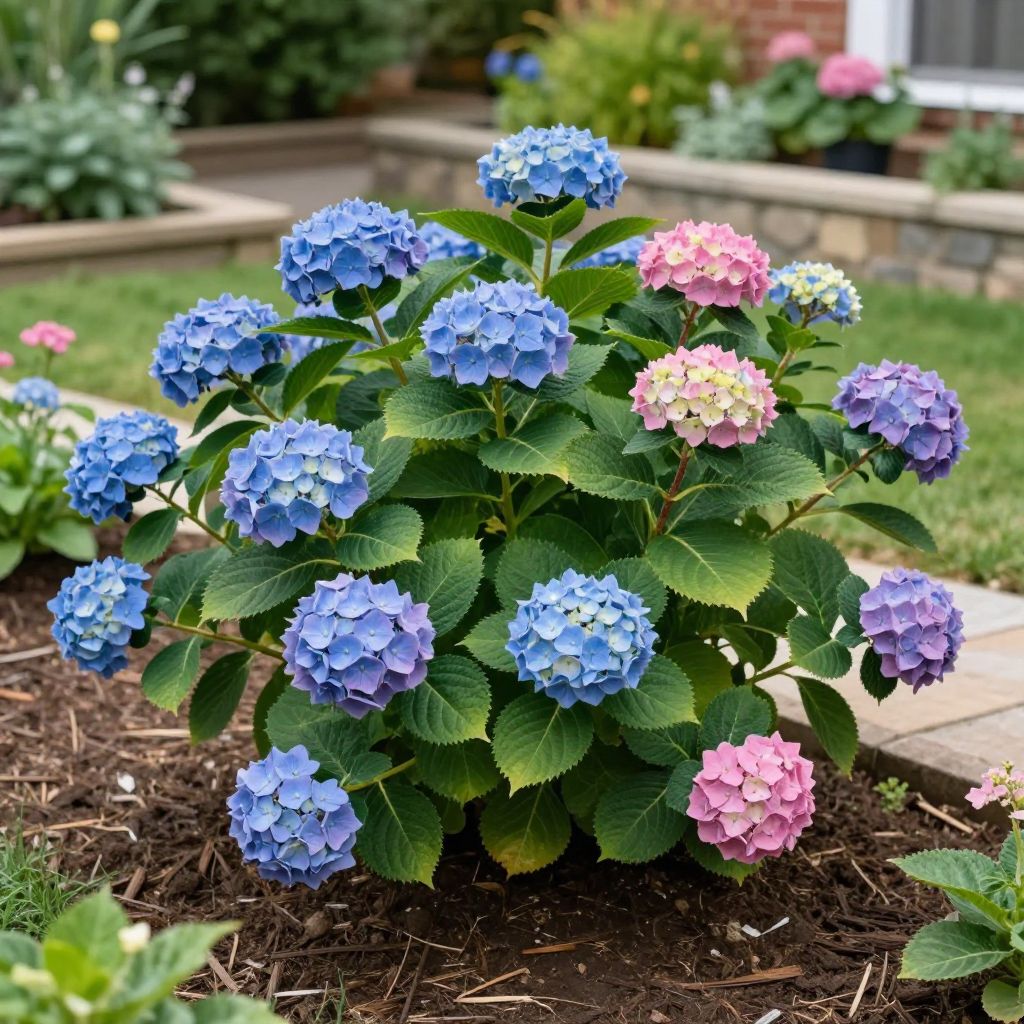
Are hydrangeas perennial? Yes—most hydrangeas are perennial shrubs, which means they come back year after year in the right climate and growing conditions. Their stems may die back in winter in colder areas, but the root system survives and sends up new growth in spring.
The key is choosing the right hydrangea type for your region and caring for it in a way that supports healthy roots, buds, and winter survival. With the right planting site, soil, and pruning approach, hydrangeas can be long-lived, dependable landscape plants.
Are hydrangeas perennial?
Yes. Hydrangeas are generally perennial woody shrubs, not annuals, so they return each season from established roots. In colder climates, some top growth may die back, but the plant itself usually survives and regrows. Success depends on hardiness, winter protection, moisture, and choosing a variety suited to your area.
What kind of perennial is a hydrangea?
Hydrangeas are deciduous shrubs in most gardens, though a few types behave differently depending on climate. They are perennial because their root systems and woody crowns persist through winter, even when the above-ground stems are damaged by cold, drought, or pruning mistakes.
Common hydrangea types gardeners grow
- Bigleaf hydrangea (Hydrangea macrophylla)
- Panicle hydrangea (Hydrangea paniculata)
- Smooth hydrangea (Hydrangea arborescens)
- Oakleaf hydrangea (Hydrangea quercifolia)
- Climbing hydrangea (Hydrangea anomala subsp. petiolaris)
These are all perennial, but they differ in cold tolerance, bloom timing, and pruning needs. That matters because a hydrangea that thrives in one garden may struggle in another if the climate is too hot, too cold, or too dry.
How to tell if your hydrangea will come back every year
If your hydrangea is planted outdoors and suited to your climate, it should return annually. The most important clues are winter hardiness, whether the stems are protected from harsh cold, and whether the plant is established before winter arrives.
Signs of a healthy perennial hydrangea
- New buds swell on stems in spring
- Fresh shoots emerge from the base
- Leaves return after dormancy
- Roots hold the plant firmly in the soil
- Stems may be brown and leafless in winter, but not dead
If a hydrangea fails to leaf out, do not assume it is dead right away. Scratch a small section of bark on a stem; green tissue underneath usually means the stem is still alive. If stems are brown and dry all the way through, the plant may have died back, but the roots can still survive and resprout.
Best growing conditions for perennial hydrangeas
Hydrangeas are perennial shrubs, but they need the right site to stay healthy over many years. Good soil, steady moisture, and proper light are more important than most gardeners realize.
Light
Most hydrangeas grow best in morning sun and afternoon shade, especially in hot climates. In cooler regions, some types can take more sun, while deep shade often reduces flowering and weakens growth.
Soil
Hydrangeas prefer soil that is rich in organic matter, evenly moist, and well drained. Heavy clay can work if it is improved with compost and does not stay waterlogged. Sandy soil may need more organic matter to hold moisture.
Drainage
Drainage is critical. Hydrangeas dislike soggy roots, which can lead to root rot and poor growth. If water stands around the plant after rain, consider raising the bed, improving the soil, or moving the shrub to a better site.
Moisture
These shrubs like consistent moisture, especially during establishment and flowering. Dry spells can cause wilting, leaf scorch, and fewer blooms. A 2- to 3-inch layer of mulch helps conserve moisture and keep roots cooler.
How to plant hydrangeas so they return reliably
Planting well is one of the best ways to make sure hydrangeas behave like the perennials they are. A strong root system gives the plant a better chance of surviving winter and blooming well the following year.
- Choose a site with suitable light for your hydrangea type.
- Dig a hole as deep as the root ball and about 2 times as wide.
- Loosen compacted soil and mix in compost if the soil is poor.
- Set the plant so the top of the root ball is level with the surrounding soil.
- Backfill, water thoroughly, and mulch around the base.
Avoid planting too deeply. Burying the crown can stress the plant and reduce flowering. Also avoid packing amended soil only in the hole if the surrounding soil is very different, because that can create a “bathtub” effect that holds too much water.
Watering and feeding for long-term health
Hydrangeas are not drought-tolerant shrubs. For perennial performance, they need regular moisture, especially in the first year after planting and during hot, dry weather.
Watering tips
- Water deeply rather than giving frequent shallow sprinkles.
- Check soil moisture a few inches down before watering again.
- Water at the base of the plant to keep foliage drier.
- Increase watering during heat waves or windy weather.
Feeding is best kept moderate. Too much nitrogen can produce lush leaves but fewer flowers. In many gardens, a spring top-dressing of compost is enough. If your soil is poor, a balanced slow-release fertilizer may help, but soil test results should guide repeated feeding.
Pruning hydrangeas without sacrificing blooms
Pruning affects whether a hydrangea blooms the next season, so it is one of the most common reasons gardeners think the plant is not perennial. The right pruning method depends on the type.
Pruning by hydrangea type
- Bigleaf hydrangea: often blooms on old wood, so heavy pruning can remove flower buds.
- Oakleaf hydrangea: usually flowers on old wood and prefers minimal pruning.
- Smooth hydrangea: typically blooms on new wood and can be cut back in late winter or early spring.
- Panicle hydrangea: usually blooms on new wood and tolerates pruning better than old-wood types.
If you are unsure which type you have, prune lightly until you identify its bloom habit. Remove only dead wood, weak stems, and spent flower heads if needed. Strong pruning at the wrong time can reduce flowering for a full season.
Winter care and cold-climate concerns
Hydrangeas are perennial, but winter can affect how well they bloom. In colder areas, stems may die back even when the roots survive. Some types are more reliable than others in harsh winters.
How to protect hydrangeas in winter
- Mulch the root zone after the ground cools, not too early in warm weather.
- Avoid late-season fertilizing that encourages tender new growth.
- Do not prune old-wood bloomers heavily in fall.
- In exposed sites, shield plants from drying winter winds if possible.
For potted hydrangeas, winter protection matters even more. Containers expose roots to colder temperatures than in-ground planting. In cold regions, move pots to a sheltered location or insulate them so the root ball does not freeze repeatedly.
Common problems that make hydrangeas seem non-perennial
When a hydrangea does not return strongly, the issue is usually not that it is annual. More often, the plant is stressed, poorly sited, or damaged by weather or pruning.
Typical trouble spots
- Winter dieback on tender varieties or exposed sites
- Improper pruning that removes flower buds
- Too much shade leading to weak growth and poor bloom
- Too much sun and heat causing wilt and leaf scorch
- Poor drainage leading to root decline
- Drought stress reducing vigor year after year
Pests and diseases can also weaken plants. Watch for aphids, scale, powdery mildew, and leaf spots. Good spacing, air circulation, and watering at soil level help reduce many of these issues. If a plant is repeatedly declining, inspect roots and soil conditions before assuming the variety is short-lived.
Can you propagate hydrangeas to keep them going?
Yes. If a hydrangea thrives in your garden, you can often propagate it from cuttings or by layering, depending on the type and season. This is useful if you want to replace an aging shrub or grow more plants from a favorite specimen.
Simple propagation options
- Softwood cuttings in late spring or early summer
- Layering, where a low stem roots while still attached to the parent plant
Use clean, sharp tools and keep cuttings evenly moist, not soggy. Propagation success varies with conditions, so it is best viewed as a way to multiply healthy plants rather than a guarantee.
Using hydrangeas in the landscape
Because hydrangeas are perennial shrubs, they are excellent long-term landscape plants. They work well as foundation plantings, mixed borders, hedges, and specimen shrubs, depending on mature size and light needs.
Give them enough room to reach full size. Crowding can reduce airflow, increase disease pressure, and make pruning more difficult. When planting near paths or windows, check the mature height and spread so the shrub does not outgrow the space.
Conclusion: make your hydrangea return year after year
Hydrangeas are perennial, but their success depends on the right variety, the right site, and the right care. If you want dependable blooms, focus on drainage, steady moisture, and pruning based on the plant’s bloom habit. Start by checking what type of hydrangea you have, then match your care to it for stronger growth next season.
If you want to keep learning, consider reading more about hydrangea growing and care and how to prune hydrangeas correctly.