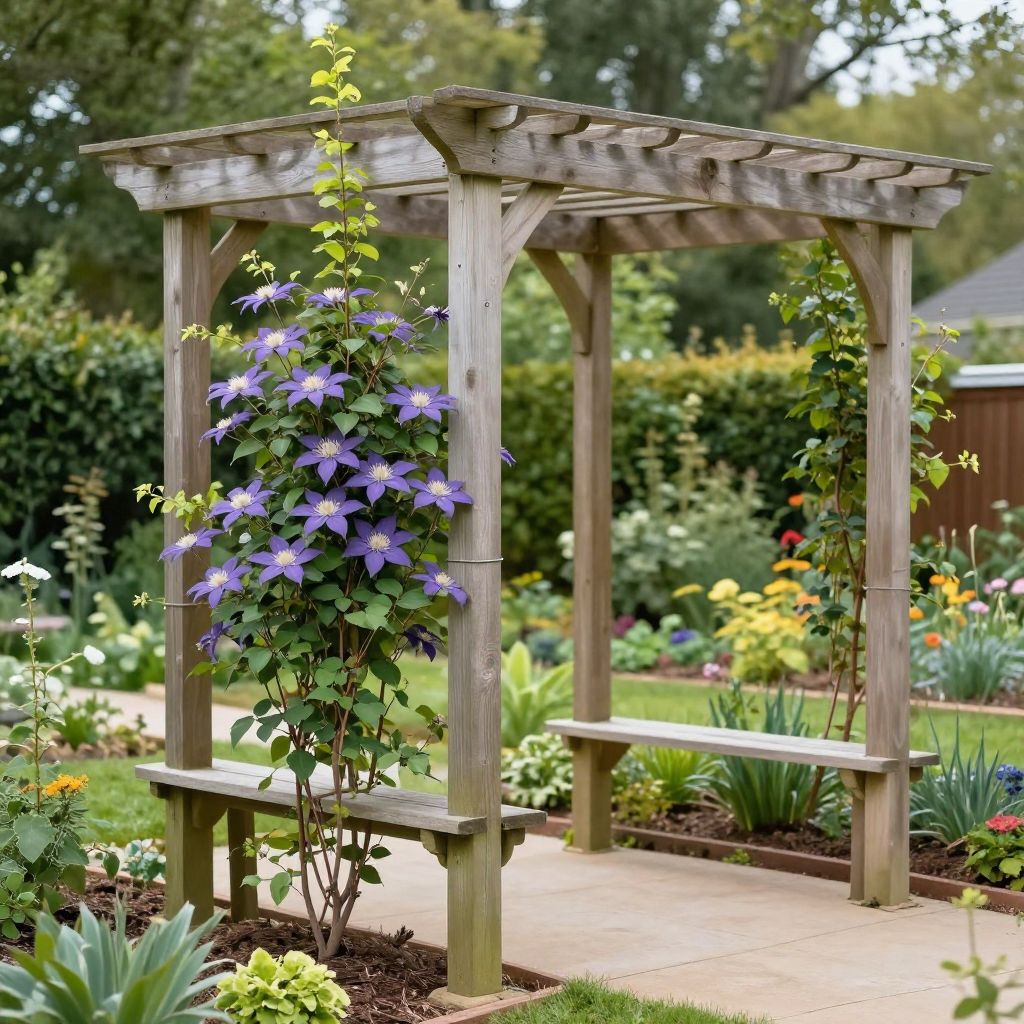
What is the point of a pergola? If you have seen one in a garden and wondered whether it is just decorative, the short answer is that a pergola creates structure, shade, and a support for climbing plants. It can define an outdoor room, soften a patio, and make a garden feel more finished without blocking light completely.
Used well, a pergola is both practical and attractive. It can improve a seating area, guide movement through the garden, and give vines a place to grow, but it also needs the right siting, sturdy construction, and regular maintenance to stay safe and useful.
What is the point of a pergola?
A pergola is a garden structure made of posts and an open roof of beams or rafters. Its main purpose is to add partial shade, create a focal point, and support climbing plants such as roses, wisteria, clematis, or grapevines. Unlike a solid roof, it filters light rather than blocking it.
Why gardeners use pergolas
In gardening terms, a pergola is less about enclosure and more about shaping space. It helps you turn an open area into a destination, whether that is a dining spot, a path entrance, or a transition between lawn and border.
Common garden uses
- Shade: It reduces harsh sun over patios, benches, and walkways.
- Support: It gives climbers a framework to grow upward and spread.
- Structure: It adds height and definition to flat or empty spaces.
- Privacy: With planting, it can screen views without feeling heavy.
- Design focus: It draws the eye and anchors the garden layout.
How a pergola differs from other garden structures
A pergola is not the same as a gazebo, arbor, or trellis. Knowing the difference helps you choose the right feature for your garden.
- Pergola: Larger, usually freestanding or attached, with an open roof for shade and support.
- Arbor: Smaller, often marking a path or entrance.
- Trellis: A flat support for climbers, usually attached to a wall or fence.
- Gazebo: A covered structure with a solid roof, offering more weather protection.
How to decide if a pergola suits your garden
If you are asking whether a pergola is worth adding, think first about how you use the space. A pergola makes the most sense where you want light shade, a seating area, or a vertical feature that can carry plants without making the garden feel closed in.
Good places for a pergola
- Over a patio or deck where summer sun is strong.
- At the end of a path to create a destination.
- Between zones in a larger garden to guide movement.
- Beside a wall or fence where climbers need support and height.
When a pergola may not be the best choice
- If you need full rain cover or wind protection.
- If the area is too small for the scale of the structure.
- If the site is very exposed and the frame cannot be securely anchored.
- If you cannot maintain climbing plants or timber surfaces over time.
Choosing the right pergola for planting
The best pergola for gardening is one that suits both the site and the plants you want to grow. Strong, stable construction matters because mature climbers can become heavy, especially after rain or in windy conditions.
Materials and maintenance
- Timber: Traditional and attractive, but it needs weather-resistant treatment and routine checking for rot.
- Metal: Often slimmer and longer-lasting, though it can heat up in full sun.
- Composite or modern materials: Lower maintenance, but design options may be more limited.
Whatever material you choose, make sure the posts are firmly set and the base is suitable for your soil and drainage. Soft or waterlogged ground can shorten the life of the structure if it is not properly installed.
Size and placement tips
- Leave enough headroom for comfortable walking or sitting underneath.
- Allow space for climbers to spread without crowding nearby shrubs.
- Position it so the shade falls where you actually need it during the hottest part of the day.
- Check how shadows move across the garden in morning and afternoon light.
Best plants to grow on a pergola
Not every climber is suitable for every pergola. Choose plants based on your climate, sun exposure, and how much pruning you are willing to do. Strong growers need strong support and regular training.
Popular climbers for pergolas
- Climbing roses: Good for scent and flowers, but they need tying in and seasonal pruning.
- Clematis: Excellent for weaving through beams and adding long flowering periods.
- Wisteria: Dramatic and vigorous, but only suitable if you can manage its size.
- Grapevines: Useful where summers are warm enough and you want both shade and fruit.
- Honeysuckle: Fragrant and wildlife-friendly, though it can need shaping.
- Jasmine: Best in milder climates or sheltered spots, depending on the species.
Matching the plant to the light
- Full sun: Roses, wisteria, and many grapevines usually perform best with plenty of direct light.
- Partial shade: Clematis and some honeysuckles can cope well if the roots are cool and the top growth gets light.
- Sheltered sites: Tender climbers may do better where the pergola reduces wind exposure.
Before planting, check the mature size of the climber. A vigorous plant can overwhelm a light frame, while a slow-growing climber may take years to create useful shade.
How to plant climbers at a pergola
Planting well at the start makes a big difference. Most climbers do best in improved soil with good drainage, steady moisture while establishing, and training from the beginning so stems are directed where you want them.
Step-by-step planting guide
- Prepare the soil by removing weeds and loosening it around the planting area.
- Work in compost or well-rotted organic matter if the soil is poor, sandy, or compacted.
- Dig a hole wide enough to spread the roots comfortably.
- Set the plant at the same depth it was growing in its pot or nursery bed.
- Backfill, firm gently, and water thoroughly to settle the soil.
- Mulch around the base, keeping mulch a little away from the stem.
- Attach stems loosely to the pergola with soft ties so they are not damaged.
Soil and drainage considerations
Most climbers prefer fertile soil that drains well but still holds some moisture. If your garden soil is heavy clay, improve drainage with organic matter and avoid planting where water sits after rain. In very free-draining soil, mulch helps reduce stress during dry spells.
Training and pruning a pergola plant
A pergola only looks its best when the plant is trained properly. Without guidance, climbers may tangle at the base, grow unevenly, or produce too much leafy growth and too few flowers.
Simple training approach
- Encourage one or two main stems upward at first.
- Once they reach the top, spread side shoots along the beams.
- Use soft ties and check them regularly so they do not cut into stems.
- Keep growth evenly distributed to avoid one side becoming too heavy.
Pruning basics
Pruning depends on the plant, so always match the method to the species. The goal is usually to remove dead, weak, or congested growth and to keep the framework open enough for light and air to move through.
- Remove dead or damaged stems as soon as you notice them.
- Thin overcrowded growth to improve flowering and airflow.
- Shorten long shoots if they are becoming too heavy or unruly.
- Watch for stems rubbing against the wood or metal, which can cause damage over time.
Watering, feeding, and seasonal care
Young pergola plants need more attention than established ones. Water deeply during dry periods, especially in the first year, but avoid keeping soil constantly wet. The best routine depends on rainfall, soil type, and how exposed the site is.
Seasonal maintenance checklist
- Spring: Check ties, remove winter damage, and top up mulch.
- Summer: Water during dry spells and guide new shoots into place.
- Autumn: Clear fallen leaves from the base and inspect the structure.
- Winter: Look for loose fixings, rot, rust, or storm damage.
Feeding is most useful when plants are actively growing and the soil is low in nutrients. Compost and mulch often provide enough support for many garden climbers, but weak growth or poor flowering may indicate the need to improve soil fertility rather than simply add more water.
Common problems with pergolas and climbing plants
Most pergola problems come from poor siting, weak construction, or choosing the wrong plant for the space. A little planning prevents many of the common frustrations.
Frequent issues and fixes
- Too much shade underneath: Thin the canopy or choose a less vigorous climber.
- Too little shade: Train more side growth across the top or add a second climber.
- Weak or leaning frame: Inspect fixings and posts before the plant becomes heavier.
- Poor flowering: Check light levels, pruning method, and whether the plant has become congested.
- Yellowing leaves: Look for waterlogging, drought stress, or nutrient-poor soil.
Pests and diseases to watch for
Climbers on pergolas can suffer the same pests and diseases as they would on fences or walls. Aphids, powdery mildew, black spot on roses, and general dieback can all appear if airflow is poor or the plant is stressed.
- Space growth so air can move through the canopy.
- Remove diseased leaves and dispose of them carefully.
- Avoid wetting foliage late in the day if disease is a concern.
- Keep plants vigorous with good soil, adequate water, and timely pruning.
How a pergola changes the look and feel of a garden
Beyond the practical benefits, a pergola changes how a garden feels. It creates height, rhythm, and a sense of enclosure without turning the space into a room with walls. That balance is why many gardeners value it so highly.
In a small garden, a pergola can make the space feel more intentional. In a larger garden, it can connect different areas and give you a reason to pause, sit, or look through the planting rather than across an open expanse.
Conclusion: is a pergola worth it?
Yes, if you want a garden feature that combines structure, partial shade, and a support for climbers. The point of a pergola is not just decoration; it is to shape the garden and make it more usable, especially when planted and maintained well.
Before you install one, choose the right position, make sure the frame is sturdy, and match the climber to your light and climate. If you are planning a garden seating area or training climbers, you may also find it useful to read about how to choose the right climbing plants and garden structures for small spaces.