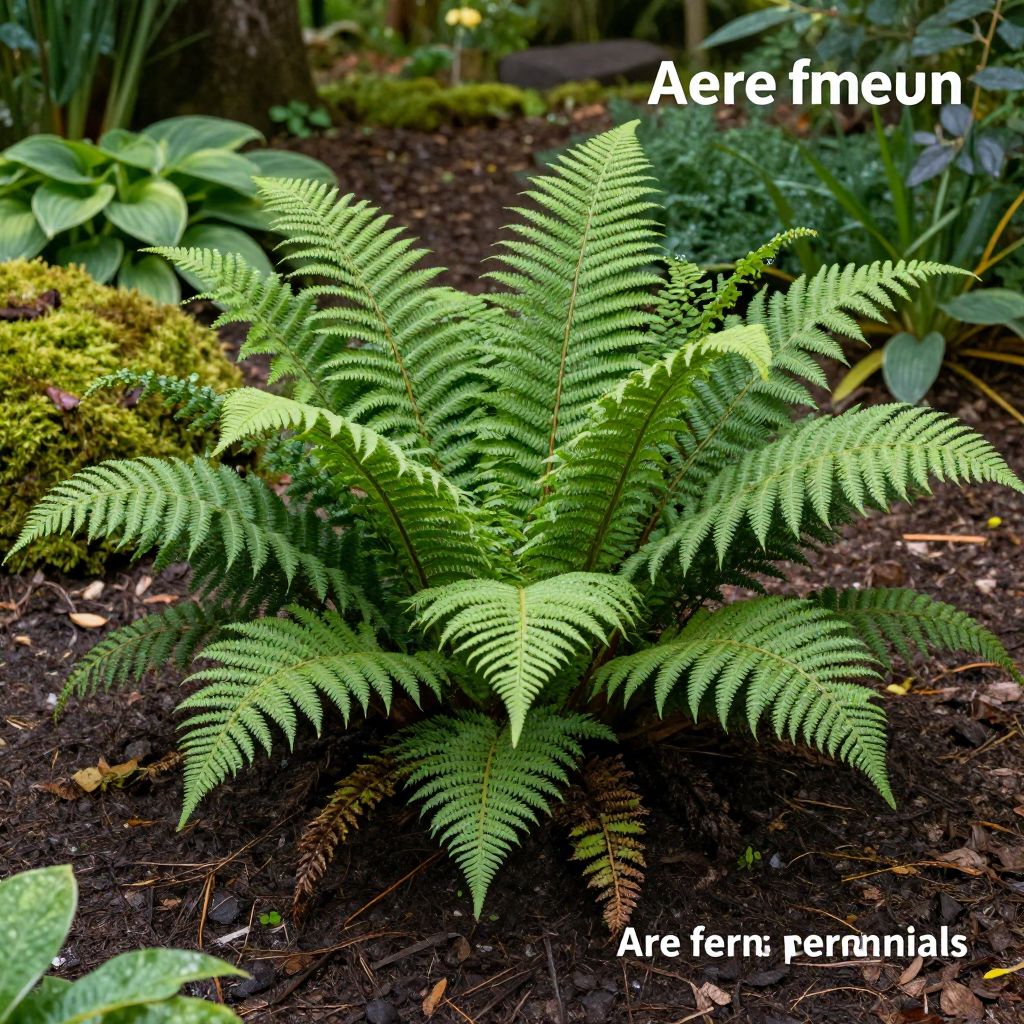
Are ferns perennials? In most gardens, yes—many ferns are perennial plants that return year after year when their growing conditions suit them. Some are evergreen, while others die back in winter and reappear from the roots or crown in spring.
The key is understanding that “perennial” does not mean “indestructible.” Ferns still need the right amount of moisture, shade, and soil structure to survive and thrive over time.
Are ferns perennials?
Yes, many ferns are perennials, meaning they live for more than two years and regrow each season from established roots, rhizomes, or crowns. Whether a fern comes back depends on the species, your climate, and winter conditions. In cold areas, some ferns die back above ground but return in spring; in mild climates, many stay green year-round.
How fern growth habits affect whether they come back
Ferns don’t grow like annual flowers that complete their life cycle in one season. Most garden ferns spread slowly from underground rhizomes or clumps, which helps them survive from year to year.
Evergreen ferns vs. deciduous ferns
- Evergreen ferns keep foliage through winter in suitable climates, though older fronds may brown or tatter.
- Deciduous ferns die back in cold weather and send up fresh fronds when temperatures warm.
- Some tender ferns are perennial only in frost-free or protected locations.
If you are unsure which type you have, watch what happens through winter. If the fronds disappear but the plant returns from the base in spring, it is still acting as a perennial in your garden.
What ferns need to survive year after year
To keep a fern perennial in your landscape or container, focus on the conditions that match its natural habitat: filtered light, evenly moist soil, and good drainage. Most ferns dislike hot, dry exposure and compacted ground.
Light
Most garden ferns prefer shade or part shade. Morning sun with afternoon shade often works well, especially in cooler climates. In hotter regions, even brief intense sun can scorch fronds.
Soil
Ferns generally do best in soil that is rich in organic matter and holds moisture without staying soggy. A loose, humus-rich texture helps roots spread and reduces stress during dry spells.
Moisture
Consistent moisture is important, especially during establishment. Dry soil can cause fronds to brown, stunt growth, or die back prematurely. At the same time, waterlogged soil can rot crowns and rhizomes.
Drainage
Good drainage matters just as much as moisture. If water sits around the roots after rain, improve the site before planting or move the fern to a better location.
How to plant ferns for long-term success
Planting a fern in the right place is the best way to help it behave like a reliable perennial. Take time to prepare the soil before planting rather than trying to fix problems later.
- Choose a sheltered site with shade or dappled light.
- Loosen the soil to a depth of at least 8 to 12 inches if possible.
- Mix in compost or leaf mold to improve moisture retention and soil structure.
- Set the crown at soil level; do not bury it deeply.
- Water thoroughly after planting to settle the soil around the roots.
- Mulch lightly with shredded leaves, bark fines, or compost to help conserve moisture.
Avoid planting ferns too close to heat-reflecting walls, dry foundations, or exposed patios unless you can irrigate regularly. Those sites often shorten the life of the plant.
Seasonal care for perennial ferns
Ferns need different care through the year, especially in climates with cold winters or hot summers. The goal is to keep the root zone stable and avoid stress from extremes.
Spring
Remove winter-damaged fronds only after new growth starts, unless the plant looks messy or diseased. This protects the crown and gives you a clearer picture of what survived the winter.
Summer
Watch for wilting, browning edges, or pale fronds, which often signal too much sun or too little moisture. A deeper watering is usually better than frequent light sprinkling.
Fall
Let healthy fronds stay in place as long as they remain attractive. They can help protect the crown and feed the plant as they naturally age.
Winter
In cold regions, add a light mulch layer after the ground cools to buffer temperature swings. Avoid piling thick mulch directly against the crown, which can trap excess moisture and encourage rot.
How to tell if your fern is perennial in your climate
Not every fern is hardy everywhere. A fern may be perennial in one garden and temporary in another, depending on winter lows, humidity, and summer heat.
- Check the plant tag for hardiness information if you still have it.
- Observe winter behavior: does it die back, stay evergreen, or disappear completely?
- Look for new growth from the crown in spring.
- Consider your local climate: cold snaps, dry winds, and heat waves can all affect survival.
If your fern is borderline hardy, a protected site can make the difference between a plant that returns and one that declines. Woodland edges, north-facing beds, and sheltered courtyards are often better than open, windy areas.
Common problems that make ferns fail as perennials
When a fern does not return, the issue is often cultural rather than genetic. Most failures come from the wrong site, not from the plant being “not perennial.”
Too much sun
Fronds may bleach, crisp, or curl. Move potted ferns to brighter shade, or transplant garden ferns to a cooler, less exposed spot if possible.
Too little water
Dry soil can cause repeated dieback and weak regrowth. Water deeply when the top inch or two of soil dries, especially during warm weather and establishment.
Poor drainage
Soggy soil can rot roots and crowns. If the site stays wet, raise the bed, improve the soil structure, or choose a more suitable location.
Winter damage
Cold wind, freeze-thaw cycles, and exposed crowns can damage hardy ferns. A light mulch and a protected planting site help reduce this risk.
Pests and disease
Ferns are usually low-maintenance, but stressed plants can attract slugs, snails, or scale on some species. Remove damaged fronds, improve airflow, and avoid overwatering to reduce disease pressure.
Pruning and cleanup: what to cut and when
Ferns do not need heavy pruning. Most of the work is simple cleanup, and timing matters if you want the plant to return strongly.
- Remove dead, brown, or broken fronds with clean scissors or pruners.
- Cut fronds close to the base, but avoid damaging the crown.
- Leave healthy fronds in place during the growing season.
- In evergreen types, remove only the oldest or most damaged fronds.
Never shear a fern like a hedge. That can remove too much healthy tissue and weaken the plant.
How to propagate perennial ferns
If your fern is thriving, you may be able to make more plants from it. Division is the easiest method for many garden ferns, especially clumping types.
Division
- Wait until the plant is actively growing or just beginning to grow in spring.
- Lift the clump carefully with a spade or garden fork.
- Separate the root mass into sections, making sure each piece has roots and at least one growing point.
- Replant immediately at the same depth.
- Water well and keep the soil evenly moist while the divisions settle in.
Some ferns also spread by spores, but that method is slower and less predictable for home gardeners. Division is usually the most practical way to keep a favorite fern going.
Container-grown ferns as perennials
Ferns in pots can be perennial too, but containers are more vulnerable than garden beds because roots dry out and freeze faster. Choose a pot with drainage holes and use a potting mix that holds moisture while still draining freely.
For outdoor containers, group pots in a sheltered location and monitor moisture closely in hot weather. In cold climates, move tender potted ferns indoors or to a protected space if they are not fully hardy.
Container mistakes to avoid
- Using a pot that is too small for the root system
- Letting the mix dry out completely
- Leaving the pot in direct afternoon sun
- Allowing water to sit in a saucer for long periods
Best uses for perennial ferns in the landscape
Because ferns return reliably in the right conditions, they are excellent for low-maintenance shade gardens. They work well under trees, along shaded paths, in woodland borders, and near water features where the soil stays consistently moist.
Use them to soften hard edges, fill difficult shaded spaces, or add texture among hostas, hellebores, astilbe, and other shade-loving perennials. Their fronds bring structure without needing constant attention.
Conclusion
So, are ferns perennials? In most cases, yes—if you match the plant to the right light, soil, and moisture conditions. The best next step is to check your fern’s growing needs, improve the planting site if necessary, and watch how it responds through the seasons.
If you want to build a healthier shade garden, you may also enjoy reading about shade garden plants and how to improve garden soil.