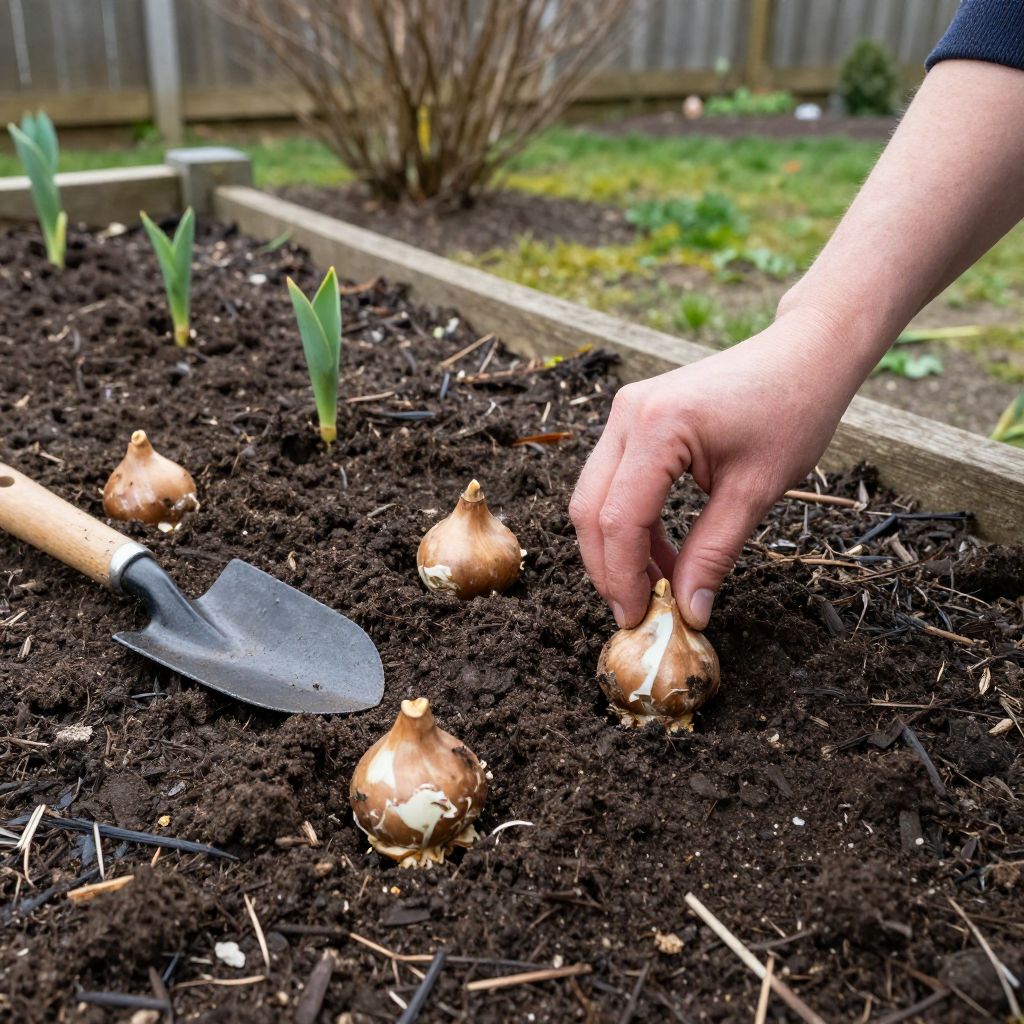
Can you plant tulips in the spring? If you missed fall planting, the short answer is yes—but with an important catch: spring-planted tulip bulbs usually won’t bloom well right away. Tulips need a long cold period to form flowers, so planting them in spring is more of a “save the bulbs and hope for next year” strategy than a quick fix.
That doesn’t mean spring planting is pointless. With the right handling, you can still grow tulips successfully in the ground or in containers, especially in cooler climates. The key is understanding what tulips need, what to expect from spring-planted bulbs, and how to give them the best chance to establish.
Can You Plant Tulips In The Spring?
Yes, you can plant tulip bulbs in spring, but results are usually disappointing if you expect flowers the same season. Tulips planted after winter often need to spend a full dormant cycle in the soil before they bloom. In many cases, they will produce leaves first and flower later, or not at all until the following year.
Why Tulips Are Usually Planted In Fall
Tulips are spring-flowering bulbs that need a cold period to trigger bloom development. In nature, they sit underground through winter, then emerge when temperatures rise. Fall planting gives bulbs time to root before freezing weather and satisfies their chilling requirement naturally.
What spring planting changes
When you plant tulips in spring, the bulb has already missed much of that cold exposure. If it has been stored too warm or too long, it may sprout weakly, produce only foliage, or fail to bloom. Some bulbs may still flower the next spring if they are healthy and get enough chilling in a refrigerator or cold climate.
What To Expect From Spring-Planted Tulips
Spring-planted tulips are best treated as a long-term experiment, not a guaranteed display. You may get leaves only, smaller flowers, or delayed bloom. The outcome depends on bulb quality, how long the bulbs were stored, your climate, and whether they receive enough cold treatment.
- Best-case outcome: the bulb roots in, grows foliage, and blooms the following spring.
- Common outcome: healthy leaves appear, but no flower bud forms that year.
- Poor outcome: the bulb rots, shrivels, or never establishes.
How To Plant Tulips In Spring For The Best Chance Of Success
If you are planting tulips in spring, use the healthiest bulbs you can find and plant them as soon as the soil is workable. The goal is to get the bulbs into cool, well-drained soil so they can root before summer heat arrives.
Step-by-step planting guide
- Choose firm bulbs. Pick bulbs that feel heavy and dry, not soft, moldy, or shriveled.
- Select a sunny site. Tulips bloom best in full sun, though light afternoon shade is fine in warmer areas.
- Check drainage. Avoid soggy soil, which can rot bulbs quickly.
- Plant at the right depth. Set bulbs about 6 to 8 inches deep, or roughly 2 to 3 times the bulb’s height.
- Space them well. Leave about 4 to 6 inches between bulbs for good airflow and root growth.
- Water once after planting. Give the soil a thorough soak to settle it around the bulb, then let rainfall and soil moisture do the rest.
Soil preparation tips
Tulips prefer loose, well-drained soil. If your garden is heavy clay, mix in compost to improve structure, but do not create a planting hole that acts like a water-filled pot. In wet soils, raised beds or containers are often a better choice than in-ground planting.
- Add compost to improve texture, not to make the soil overly rich.
- Avoid fresh manure, which can encourage rot.
- Do not plant in low spots where water collects.
Should You Chill Tulip Bulbs Before Planting?
In many climates, yes. If tulips have not received enough cold, a refrigerator chilling period can help mimic winter. This is most useful if you bought bulbs late or live in a mild-winter area where the ground does not stay cold long enough.
How to chill bulbs safely
- Place bulbs in a paper bag or breathable container.
- Keep them in the refrigerator, not the freezer.
- Store them away from apples and other fruit, which release ethylene gas that can damage bulbs.
- Chill them for several weeks if needed, based on your local climate and the bulb supplier’s guidance.
Do not chill bulbs in a sealed plastic bag or a damp location. Excess moisture can cause mold and rot before planting.
Where Spring-Planted Tulips Grow Best
Tulips do best where spring stays cool for a while and summer heat does not arrive too quickly. In colder regions, spring planting may still allow enough time for root growth. In warmer climates, tulips are more likely to struggle unless they are pre-chilled and planted in a very well-drained site.
Ground vs. containers
Containers can be a smart option if your garden soil stays wet or warms up too fast. A pot drains more predictably, and you can move it to a cooler spot if needed. Use a container with drainage holes and a loose potting mix, not heavy garden soil.
- Containers work well for patios, porches, and small spaces.
- In-ground planting is better if your soil drains well and spring weather is cool.
- Raised beds are a good middle ground for poor drainage.
Watering And Care After Planting
Tulips dislike wet feet, especially while dormant. After the initial watering at planting time, keep the soil lightly moist but never saturated. In spring, rain is often enough unless your weather turns dry for several weeks.
Care through the season
- Water only when the top inch or two of soil begins to dry.
- Mulch lightly if your climate dries out quickly, but keep mulch away from the bulb crown.
- Protect emerging shoots from heavy foot traffic and digging pets.
If leaves emerge but no flower stalk appears, do not cut the foliage off. The leaves help recharge the bulb for next year’s growth.
How To Handle Tulip Foliage After Blooming
When tulips do bloom, deadhead the spent flowers by removing only the faded bloom head. Leave the stem and leaves in place until they yellow naturally. This allows the bulb to store energy for future growth.
What not to do
- Do not braid or tie the leaves.
- Do not cut green foliage too early.
- Do not overwater after flowering.
Once the foliage has fully yellowed, you can trim it back. In many gardens, tulip bulbs planted in spring are treated as temporary or semi-permanent plantings rather than a reliable perennial display.
Common Problems With Spring-Planted Tulips
Most problems come from timing, moisture, or poor bulb quality. Knowing the likely cause makes it easier to fix the issue or avoid repeating it next season.
No flowers
This is the most common outcome. The bulb may not have received enough cold, may have been planted too late, or may be too weak from storage. Healthy foliage with no bloom often means the bulb is rebuilding itself for next year.
Bulbs rot in the ground
Rot usually happens in cold, wet soil or in spots with poor drainage. If your soil stays damp for long periods, switch to raised beds or containers and use a lighter mix.
Short, weak stems
Weak stems can result from low light, crowded planting, or bulbs that were stored poorly. Tulips need sun and room to grow strong stems and leaves.
Animals dig up bulbs
Squirrels, chipmunks, and other animals may disturb freshly planted tulips. Cover the area with wire mesh until the soil settles, or use a container with a protective top layer if digging is a recurring issue.
Can Spring-Planted Tulips Come Back Next Year?
Sometimes, yes. If the bulb survives, roots well, and gets enough cold later on, it may bloom the following spring. However, many tulips decline after a poor first season, especially in warm climates or heavy soil. Treat any repeat bloom as a bonus rather than a guarantee.
If you want the most dependable tulip display, plan to plant bulbs in fall for your climate. If you are planting in spring, focus on drainage, cool conditions, and realistic expectations. For more seasonal bulb guidance, you may also find helpful bulb planting tips for spring gardens and container gardening advice for spring-flowering bulbs useful.