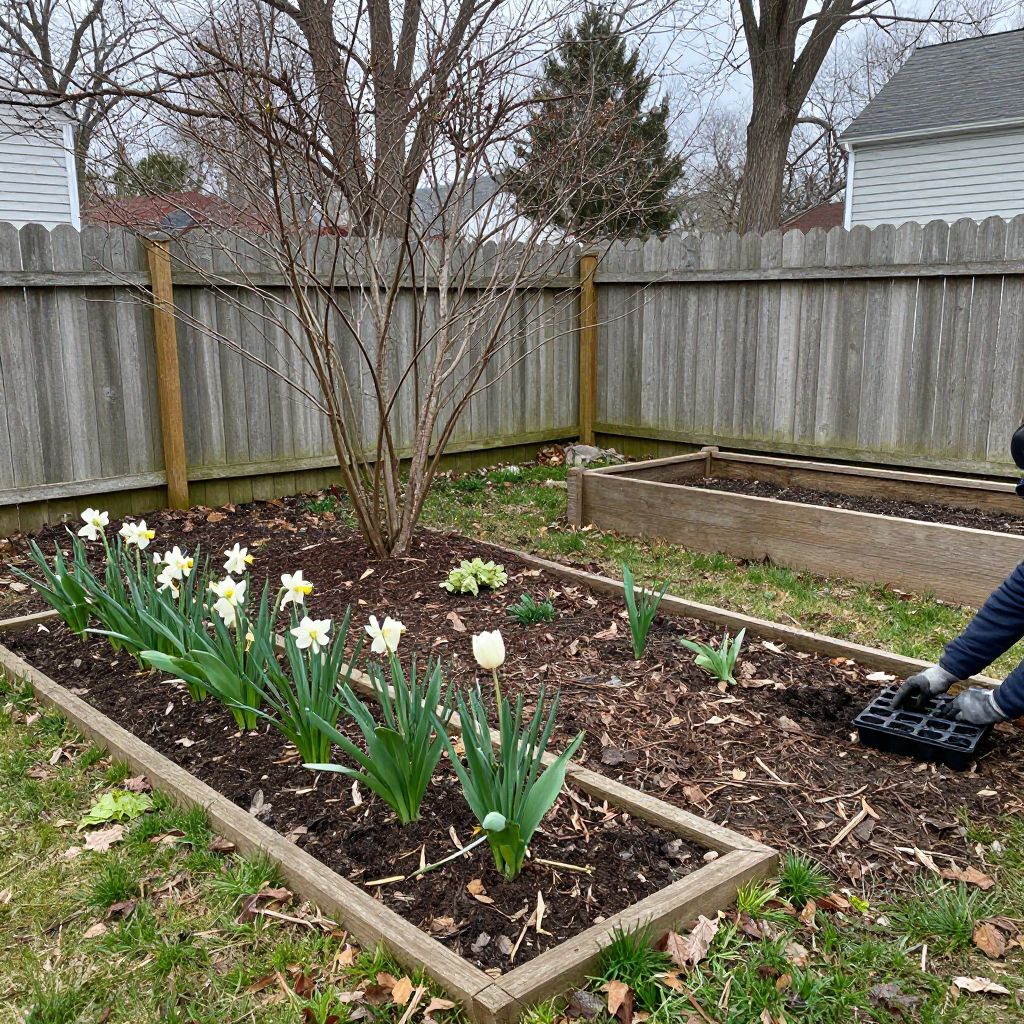
What zone is Massachusetts for gardening? The short answer is that most of Massachusetts falls in USDA hardiness zones 5b through 7a, with colder inland and western areas and milder coastal and urban pockets. Your exact zone depends on where you live, because elevation, distance from the ocean, and city heat can all shift local conditions.
Knowing your zone helps you choose plants that can survive winter, but it is only one part of the picture. In Massachusetts, successful gardening also depends on frost dates, spring soil warmth, summer humidity, drainage, and how exposed your site is to wind and salt.
What zone is Massachusetts?
Massachusetts is mostly in USDA zones 5b, 6a, 6b, and 7a. Western and higher-elevation areas are usually colder, while Cape Cod, the islands, and some coastal neighborhoods are milder. Use your town’s specific zone as a starting point, then adjust for frost, wind, snow cover, and microclimates in your yard.
Why hardiness zones matter in Massachusetts
USDA hardiness zones tell you the average coldest winter temperature a plant is likely to survive outdoors. In Massachusetts, that matters because a plant that thrives in zone 7 may struggle in a zone 5 garden after a harsh winter.
But hardiness zones do not tell you when to plant, how much rain you get, or whether your soil drains well. A zone 6 perennial may still fail if it sits in soggy clay, bakes in reflected heat, or breaks dormancy too early during a warm spell.
Common Massachusetts zone patterns
- Western Massachusetts and higher elevations: often zone 5b to 6a.
- Central Massachusetts: often zone 6a to 6b.
- Eastern Massachusetts and inland suburbs: often zone 6b.
- Coastal areas, Cape Cod, and some islands: often zone 7a or warmer in protected spots.
These are broad patterns, not guarantees. A sheltered south-facing foundation bed can behave one zone warmer, while an open windy hillside can feel colder than the map suggests.
How to find your exact Massachusetts zone
To garden well, identify your town’s USDA zone and then compare it with your yard’s actual conditions. A home in Worcester, Pittsfield, or Greenfield may need different plant choices than a garden in Boston, New Bedford, or Provincetown.
- Look up your address or town on the USDA Plant Hardiness Zone Map.
- Note whether you are inland, coastal, or at higher elevation.
- Watch where snow melts first and where frost lingers longest in your yard.
- Check if your site has wind exposure, salt spray, or reflected heat from pavement.
- Use the zone as the minimum survival guide, then choose plants rated for your zone or colder.
If you are near a coast, remember that salt and wind can damage leaves and buds even when winter temperatures are moderate. If you are inland, late spring frosts may be a bigger problem than the zone number alone suggests.
Massachusetts growing conditions that affect plant success
Frost dates and seasonal swings
Massachusetts has a relatively short and variable growing season compared with warmer states. Spring can arrive unevenly, and a warm March or April does not mean frost risk is over.
Many gardeners wait to plant tender annuals, warm-season vegetables, and frost-sensitive herbs until nighttime temperatures are consistently mild. In colder parts of the state, that often means being more cautious than the calendar suggests.
Soil type and drainage
Soils across Massachusetts vary widely, but many home gardens deal with compacted clay, rocky subsoil, or acidic conditions. Drainage is especially important because winter wetness can kill plants that would otherwise survive the cold.
Before planting, test how fast water drains in the bed. If water sits for hours after rain, choose plants that tolerate moist soil or improve the site with raised beds, compost, and careful grading.
Sun exposure and microclimates
Full sun in Massachusetts is valuable for vegetables, fruiting plants, and many flowering perennials. However, a south-facing wall can create a warmer microclimate, while a north-facing slope may stay cool and damp longer into spring.
Use these microclimates strategically. Tender shrubs may do better near a protected foundation, while spring bulbs and cool-season crops often perform well in open beds with good air circulation.
Best plant choices by Massachusetts zone
Choose plants rated for your zone or one zone colder if you want extra winter reliability. This is especially helpful for perennials, shrubs, and trees that must survive outdoors year after year.
Reliable perennials and shrubs
- Peonies (Paeonia)
- Daylilies (Hemerocallis)
- Hostas (Hosta)
- Coneflowers (Echinacea)
- Black-eyed Susans (Rudbeckia)
- Spirea (Spiraea)
- Hydrangeas suited to your zone and site conditions
- Ninebark (Physocarpus opulifolius)
For colder parts of Massachusetts, prioritize plants with proven winter hardiness and avoid assuming a plant that survives on Cape Cod will thrive in the Berkshires. For coastal gardens, choose plants that tolerate wind and occasional salt exposure.
Vegetables and annuals
Massachusetts gardeners usually have good success with cool-season crops such as lettuce, spinach, peas, kale, carrots, and radishes. Warm-season crops like tomatoes, peppers, squash, and basil need warmer soil and protection from late cold snaps.
Annual flowers such as marigolds, zinnias, and petunias can perform well once frost danger has passed. If spring is cool and wet, wait until the soil is workable rather than planting into cold, saturated ground.
Practical planting tips for Massachusetts gardens
In spring
Spring in Massachusetts often tempts gardeners to plant too early. Cold soil slows root growth, and a late frost can damage tender new growth.
- Plant hardy cool-season crops as soon as the soil can be worked.
- Hold off on heat-loving plants until nights are reliably mild.
- Use row cover or cloches if you need extra protection from chilly nights.
- Mulch after the soil has warmed a bit to help hold moisture and suppress weeds.
In summer
Summer heat can arrive quickly, especially in urban and sheltered areas. Water deeply and less often so roots grow downward, and mulch beds to slow evaporation.
For vegetables and annuals, monitor moisture closely during hot spells. Containers dry out much faster than in-ground beds and may need daily attention during extreme heat.
In fall
Fall is one of the best planting seasons in Massachusetts. Cooler air reduces stress, while warm soil encourages root growth before winter.
- Plant spring-flowering bulbs before the ground freezes.
- Divide hardy perennials several weeks before hard frost when possible.
- Water newly planted trees and shrubs until the ground freezes.
- Clean up diseased foliage to reduce overwintering problems.
Soil preparation and compost for Massachusetts gardens
Healthy soil makes a bigger difference than zone alone. In many Massachusetts yards, adding compost improves structure, boosts moisture retention in sandy beds, and helps loosen heavy soil over time.
Work compost into the top few inches of soil before planting, or top-dress beds with 1 to 2 inches and let earthworms and weather do the rest. Avoid overworking wet soil, especially in spring, because that can compact it and make drainage worse.
When to consider raised beds
Raised beds are useful if your native soil is rocky, poorly drained, or too compacted. They also warm up faster in spring, which can help in colder Massachusetts zones.
Make sure raised beds still have room for root depth and consistent watering. They dry faster than ground beds, so mulch and irrigation matter more.
Watering, mulching, and maintenance
In Massachusetts, rainfall can be inconsistent enough that newly planted beds need supplemental water even in a generally humid climate. The goal is steady moisture, not constantly wet soil.
- Water deeply at the root zone rather than sprinkling lightly.
- Check soil moisture with your finger before watering again.
- Use 2 to 3 inches of mulch, keeping it a few inches away from stems and trunks.
- Inspect mulch each season so it does not pile up against plants.
Mulch helps moderate soil temperature, which is useful in both hot summers and cold winters. It also reduces weed pressure, which is especially helpful in short growing seasons where weeds can quickly compete with young plants.
Common mistakes Massachusetts gardeners make
- Planting by calendar alone: local frost dates matter more than a fixed date.
- Choosing plants too tender for the zone: a mild winter does not prove long-term hardiness.
- Ignoring drainage: winter wetness can be as damaging as cold.
- Overfertilizing: too much nitrogen can create soft growth that is more frost-sensitive.
- Skipping site protection: wind, salt, and reflected heat can change plant performance dramatically.
If a plant fails in your yard, do not assume the zone was wrong. Often the real issue is site stress, soil moisture, or choosing a plant that needed more shelter than the label suggested.
How to garden successfully in Massachusetts year after year
Start with your exact zone, then match plants to your site rather than forcing a plant into the wrong conditions. In Massachusetts, the best gardens are usually built around hardy plants, good drainage, and flexible timing.
As a practical next step, check your town’s hardiness zone, note your last spring frost window, and walk your yard to find the warmest, coldest, wettest, and windiest spots. That simple survey will help you choose better plants and avoid costly mistakes.
If you want to keep planning, you may also find it helpful to read more about how to choose the right plants for your hardiness zone and spring planting tips for cool-climate gardens.