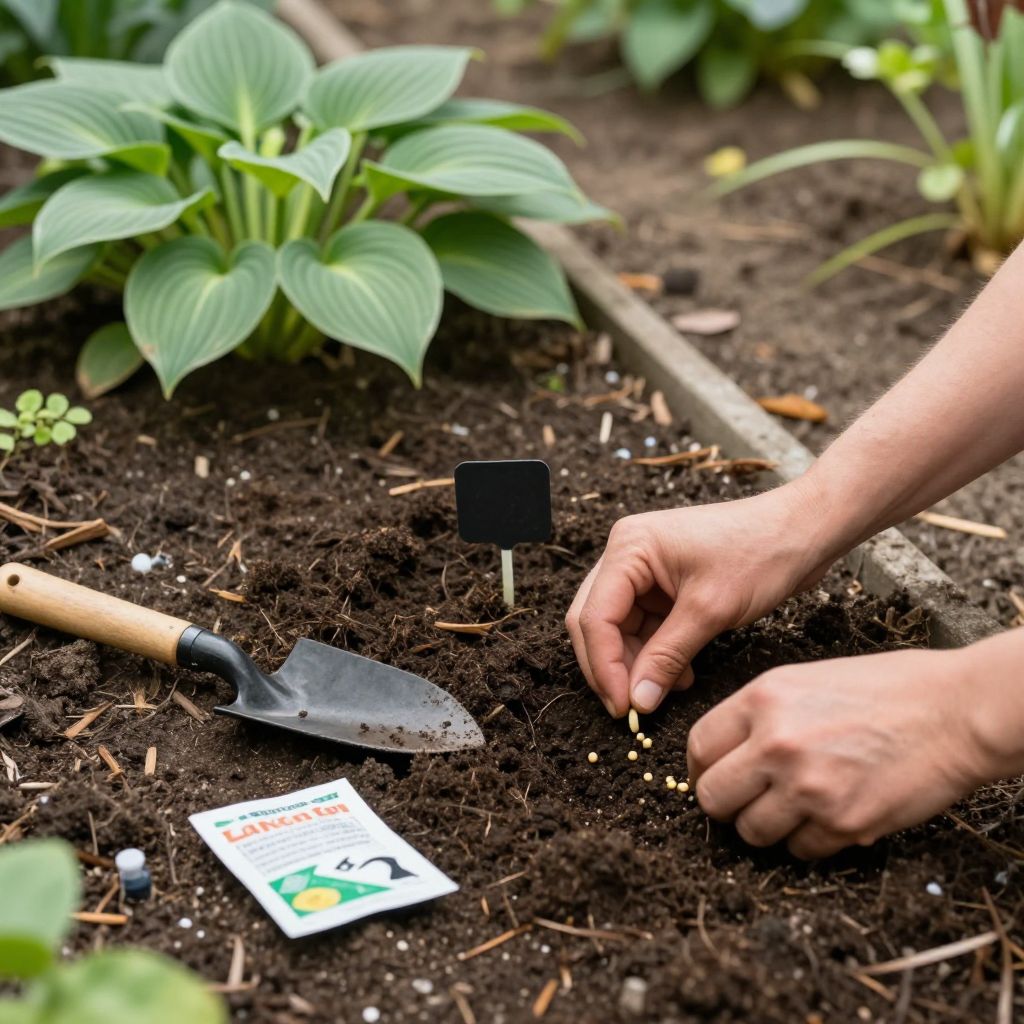
Can you plant hosta seeds directly in the ground? Yes, you can, but it is usually not the easiest or fastest way to grow hostas. Direct sowing works best when your soil is loose, evenly moist, and the season gives seedlings enough time to establish before heat, drought, or frost arrive.
Hostas are reliable shade perennials, but seed-grown plants take patience. If you want a quick, predictable result, divisions are usually better; if you enjoy experimenting, direct sowing can be worth trying with the right timing and care.
Can you plant hosta seeds directly in the ground?
Yes, hosta seeds can be sown outdoors directly in prepared soil, but germination is often uneven and seedlings are slow to mature. Direct sowing works best in a sheltered, lightly shaded bed with good drainage, consistent moisture, and protection from birds, slugs, and weed competition.
When direct sowing hosta seeds makes sense
Direct sowing is most practical if you already have a suitable shade bed and do not need a fast, uniform planting. It can also work well if you are sowing many seeds and are comfortable thinning or transplanting later.
Good reasons to sow outdoors
- You have a moist, shaded area with rich soil.
- You want to grow hostas from seed as a long-term project.
- You do not have space indoors for trays or lights.
- You are willing to wait several years for mature plants.
When another method is better
- Your site gets hot afternoon sun or dries out quickly.
- You need a tidy, predictable border right away.
- Slugs, chipmunks, birds, or rodents are a major problem.
- You want named cultivars to come true from seed, which they usually will not.
How to prepare the planting site
Hosta seedlings need a bed that stays evenly moist but never waterlogged. Aim for loose, humus-rich soil that drains well after rain. If your soil is heavy clay or very sandy, improve it before sowing so seedlings can root steadily.
Soil and compost
Work in 2 to 3 inches of compost into the top 6 to 8 inches of soil. This helps hold moisture, improves structure, and gives seedlings a gentler start. Avoid fresh manure or strong fertilizers at planting time, which can stress tender roots.
Light and location
Choose partial to full shade, especially in warmer climates. Morning sun with afternoon shade is often ideal. In cooler regions, a little more light is usually fine, but young hostas still need protection from drying winds.
Drainage matters
Hostas like moisture, not standing water. If the site puddles after rain, raise the bed slightly or choose another spot. Poor drainage can cause seed rot and weak seedlings before they ever emerge.
How to sow hosta seeds directly in the ground
Hosta seeds are usually sown shallowly because they need light and close soil contact to germinate well. The exact timing depends on your climate and whether you are using fresh seed or seed that has been stored properly.
- Prepare a weed-free bed with fine, crumbly soil on the surface.
- Rake the top layer smooth and remove sticks, stones, and roots.
- Sow seeds thinly on the surface or cover them very lightly, about 1/8 inch deep at most.
- Firm the soil gently so the seeds make good contact.
- Water with a fine spray so the soil is moist, not muddy.
- Mark the area clearly so you do not disturb it while waiting for sprouts.
How deep should hosta seeds be planted?
Keep hosta seeds very shallow. A light dusting of fine soil or vermiculite is enough in many cases. If you bury them too deeply, germination can be slow or poor.
Should you mulch after sowing?
Use only a very thin layer of fine mulch, if any, and keep it light enough that seedlings can push through. Heavy mulch can smother tiny sprouts. In many gardens, it is better to wait until seedlings are established before mulching around them.
Best timing for outdoor sowing
Timing matters because hosta seeds need steady moisture and moderate temperatures to germinate well. In many climates, sowing after the danger of hard frost has passed is the safest approach, but local conditions should guide you.
Spring sowing
Spring sowing gives seedlings the longest possible season to grow before winter. This is often the easiest option for beginners, especially where summers are not extremely hot and dry.
Late summer or fall sowing
Fall sowing can work if your winters are not severe and the site is well protected. In colder regions, however, seeds may heave, rot, or be eaten before spring. If you sow in fall, keep the bed marked and lightly protected.
Fresh seed vs. stored seed
Fresh hosta seed typically performs better than old seed. If seed has been stored, check that it was kept cool and dry. Older seed may still germinate, but expect lower or slower results.
Watering and early care after sowing
Consistent moisture is one of the most important parts of growing hosta seeds outdoors. The soil should stay evenly damp, like a wrung-out sponge, until germination is underway and seedlings are established.
How to water correctly
- Use a watering can with a fine rose or a gentle hose setting.
- Water enough to moisten the top layer without washing seed away.
- Check the bed often during warm or windy weather.
- Reduce watering only when the surface begins to dry, not when the bed is still moist below.
Do not let the seedbed dry out completely. Drying at the wrong stage can stop germination or kill tiny seedlings.
Protecting seedlings from stress
If hot sun or strong wind is an issue, use temporary shade cloth, a lightweight screen, or the filtered shade of nearby plants. Remove anything that blocks too much light once seedlings are growing steadily.
What hosta seedlings look like and how long they take
Hosta seedlings are slow growers. The first leaves may look simple and narrow, and they will not resemble mature clumps right away. Expect gradual progress rather than a quick display.
Typical seedling timeline
- Germination: often several weeks, sometimes longer depending on conditions.
- First season: small seedlings with limited top growth.
- Second and third seasons: stronger roots and larger leaves.
- Maturity: several years for a substantial clump.
Patience is part of the process. If seedlings appear sparse at first, do not assume the sowing failed too soon.
Common problems when planting hosta seeds in the ground
Most problems come from moisture issues, pests, or planting too deeply. The good news is that these are usually preventable with a little planning.
Seeds rot before sprouting
This usually means the soil stayed too wet or drainage was poor. Improve the bed, raise it slightly, or reduce watering if the surface stays soggy for days.
Seeds never emerge
Possible causes include old seed, burial too deep, cold soil, or birds and insects eating the seed. Recheck sowing depth and timing, and use fresh seed when possible.
Seedlings disappear
Slugs are a common culprit in shady gardens. They can wipe out tiny hosta seedlings overnight. Use slug traps, hand-picking, barriers, or other garden-safe control methods suited to your area.
Leaves get scorched
Too much sun can bleach or burn young hostas. Move seedlings to a shadier spot if possible, or give them afternoon protection until they are larger.
How to care for young hostas after germination
Once seedlings have a few true leaves, keep the bed weed-free and continue to water during dry spells. Young hostas do not compete well with aggressive weeds, especially in their first year.
Thinning and spacing
If seedlings come up too thickly, thin them so each plant has room to develop. Crowded seedlings are more likely to stay weak, compete for moisture, and suffer disease problems.
Feeding young plants
Light compost top-dressing is usually enough in the first season if the soil was prepared well. If growth is weak and your soil is poor, use a mild, balanced fertilizer only according to the product label and your garden conditions.
Winter protection
In colder climates, a light mulch after the ground begins to cool can help protect the roots. Keep mulch loose and airy so it does not trap excess moisture against the crown.
Should you direct sow or start hosta seeds indoors?
Both methods can work, but indoor sowing gives you more control over moisture, temperature, and protection from pests. Direct sowing is simpler, yet it is less predictable.
- Direct sowing: simpler, less equipment, more exposure to weather and pests.
- Indoor sowing: more control, easier monitoring, better for difficult sites.
If your garden is already a good hosta site, direct sowing is reasonable. If conditions are uncertain, starting seeds in trays or pots may give you better results.
Practical tips for better success
- Use fresh seed whenever possible.
- Choose a shaded, protected bed with rich soil.
- Keep seeds shallow and soil evenly moist.
- Label the area so you do not accidentally disturb it.
- Watch closely for slugs and other pests.
- Be patient; hostas are slow from seed.
Conclusion
So, can you plant hosta seeds directly in the ground? Yes, and with the right site and careful moisture management, it can work well. Prepare a shady, well-drained bed, sow seeds shallowly, and protect the area from drying out and pests. If you want a faster, more reliable result, consider starting seeds indoors or planting divisions instead.
If you want to compare propagation methods and improve your shade garden, you may also want to read more about dividing hostas for quicker establishment and choosing the best shade plants for moist garden beds.