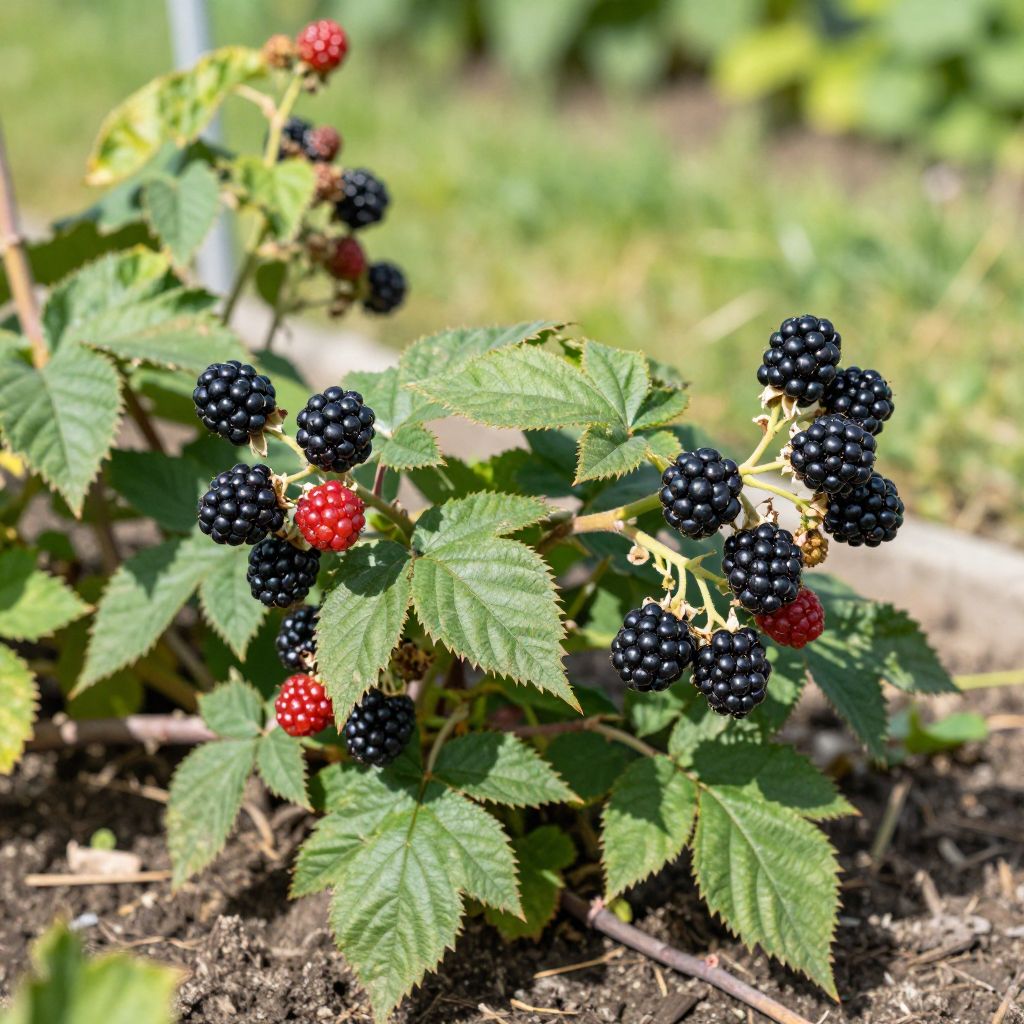
Are blackberries in season? Usually, yes—but the exact window depends on your climate, the type of blackberry you grow, and whether you’re looking at wild brambles or cultivated plants. In many regions, blackberries ripen from late spring through late summer, with peak harvest often landing in midsummer.
If you’re growing them at home, knowing when berries are ready is only part of the story. Good sunlight, pruning, soil care, and regular picking all affect how long your harvest lasts and how healthy the canes stay for next year.
Are blackberries in season?
Blackberries are generally in season in summer, though the harvest can start earlier or later depending on your area and variety. In warm climates, fruit may begin ripening in late spring; in cooler regions, peak season is often midsummer to early fall. Ripe berries are deep black, plump, and easy to detach.
When blackberries ripen by season and climate
Blackberries do not ripen all at once. Most plants produce fruit over several weeks, so you may pick from the same cane more than once.
Typical harvest timing
- Warm climates: late spring to early summer is common.
- Temperate climates: midsummer is often peak season.
- Cooler regions: late summer can be the main harvest period.
Wild blackberries and cultivated types can also differ. Some thornless garden varieties are bred for larger fruit, easier picking, and a more concentrated harvest window, while wild brambles may fruit over a longer period.
How to tell when berries are ready
- The berry is fully black, not red or purple-black.
- It feels soft but not mushy.
- It separates from the plant with a gentle tug.
- The flavor is sweet-tart and fully developed.
If the berry resists, leave it for another day or two. Blackberries do not continue ripening much after picking, so harvesting too early usually means less flavor.
Growing conditions that affect blackberry season
Healthy plants ripen fruit more reliably and often extend the picking season. Blackberries grow best with full sun, good air movement, and soil that drains well.
Sunlight
Give blackberries at least 6 to 8 hours of direct sun daily. More sun usually means better flowering, sweeter fruit, and stronger cane growth.
Soil and drainage
Blackberries prefer fertile, well-drained soil with plenty of organic matter. Heavy, soggy soil can slow growth and increase disease pressure. If your ground stays wet after rain, consider raised beds or improved drainage before planting.
Water
Consistent moisture matters most while canes are growing and fruit is forming. Irregular watering can lead to smaller berries, poor fruit fill, or berries that dry out before they fully mature.
Water deeply when the top few inches of soil begin to dry, but avoid keeping the root zone constantly saturated. Mulch helps conserve moisture and keeps weeds from competing with the canes.
How to care for blackberry plants for a better harvest
Good blackberry care is mostly about balance: enough water, enough sun, and timely pruning. These plants are vigorous, and if you let them get crowded, fruit quality often drops.
Planting basics
- Choose a sunny site with room for canes to spread.
- Work in compost to improve soil structure and fertility.
- Set plants at the same depth they were growing in the nursery pot.
- Water thoroughly after planting.
- Mulch around the base, keeping mulch a few inches away from the crown.
Spacing depends on the type you grow, but many home gardeners give each plant enough room to spread without tangling into the next one. Good airflow helps reduce disease and makes harvesting easier.
Pruning and training
Pruning is one of the most important tasks for blackberries. It improves light penetration, keeps canes manageable, and encourages productive new growth.
- Remove spent canes after they finish fruiting, since most blackberry canes fruit once and then decline.
- Thin crowded new canes so the plant does not become a dense thicket.
- Train canes onto a trellis or support system if your variety benefits from it.
Many gardeners make the mistake of leaving old canes in place too long. That can reduce airflow, create shade, and make the plant harder to harvest and maintain.
Feeding the plants
Compost is often enough for established plants in decent soil. If growth is weak or leaves look pale, a soil test is the best way to decide whether additional nutrients are needed.
Avoid overfeeding with nitrogen. Too much can produce lots of leafy growth and fewer berries, or delay ripening.
Common problems that affect blackberry season
When blackberries are slow to ripen or the crop looks poor, the issue is often environmental or cultural rather than seasonal alone. A few common problems are easy to spot once you know what to look for.
Small or poorly flavored fruit
This often happens when plants get too little sun, too little water during fruit fill, or too much shade from crowded canes. Thin the planting and keep moisture steady during the fruiting period.
Bird damage
Birds may take ripe berries quickly once the fruit turns black. Netting can help protect the crop, especially if you only have a few plants.
Insects and disease
Blackberries can be affected by pests such as aphids, mites, and cane-boring insects, as well as fungal problems in damp, crowded plantings. Remove damaged canes, keep the area clean, and avoid overhead watering when possible.
Another common issue is fruit that looks black but is still hard or sour. That usually means it was picked too early. Wait until the berry releases easily and tastes fully developed.
Harvesting blackberries the right way
Pick blackberries in the cool part of the day if you can. Handle them gently, because ripe fruit bruises easily and has a short shelf life.
Best harvesting method
- Check the berries every 1 to 3 days during peak season.
- Choose fully black, plump fruit.
- Lift and roll the berry gently off the receptacle.
- Place it in a shallow container to avoid crushing.
Harvesting often encourages you to catch fruit at its best and can reduce losses to birds, insects, and overripe fruit dropping to the ground.
After harvest
Use or chill berries soon after picking. If you need to store them briefly, keep them dry and unwashed until just before use. Remove any damaged fruit so it does not spoil the rest.
How to tell whether your blackberry plant is ready to fruit
Newly planted blackberries may not produce much fruit right away. The plant usually needs time to establish strong canes and roots before it can support a good crop.
- Young plants often focus on cane and root growth first.
- Established plants with strong canes usually fruit more reliably.
- Pruning mistakes can delay or reduce harvests.
If your plant is healthy but not fruiting, check for too much shade, overcrowding, or improper pruning. Those are common reasons a blackberry patch looks vigorous but produces little harvest.
Can you grow blackberries in containers?
Yes, blackberries can be grown in large containers if you choose a suitable variety and keep up with watering and pruning. Container plants dry out faster than in-ground plants, so they need closer attention during warm weather.
Container care tips
- Use a large pot with drainage holes.
- Choose a rich, well-draining potting mix.
- Place the container in full sun.
- Water more often than you would in the ground, especially during fruiting.
- Support canes with a small trellis or stake if needed.
Container blackberries can be a good option for patios and small gardens, but they still need regular pruning and enough root space to stay productive.
Simple seasonal checklist for blackberry growers
Use this quick checklist to keep your plants productive through the season:
- Confirm the plant gets full sun.
- Keep soil evenly moist, not waterlogged.
- Mulch to conserve moisture and suppress weeds.
- Remove spent canes after fruiting.
- Thin crowded growth for better airflow.
- Harvest ripe berries every few days.
Conclusion
So, are blackberries in season? In most places, yes—usually from late spring through summer, with timing shaped by your local climate and the variety you grow. If you want a better harvest, focus on sun, drainage, pruning, and steady moisture, then pick berries as soon as they turn fully black and release easily.
If you’re planning your next berry patch, it also helps to read up on how to prune bramble fruits and growing berries in containers for more practical garden care ideas.