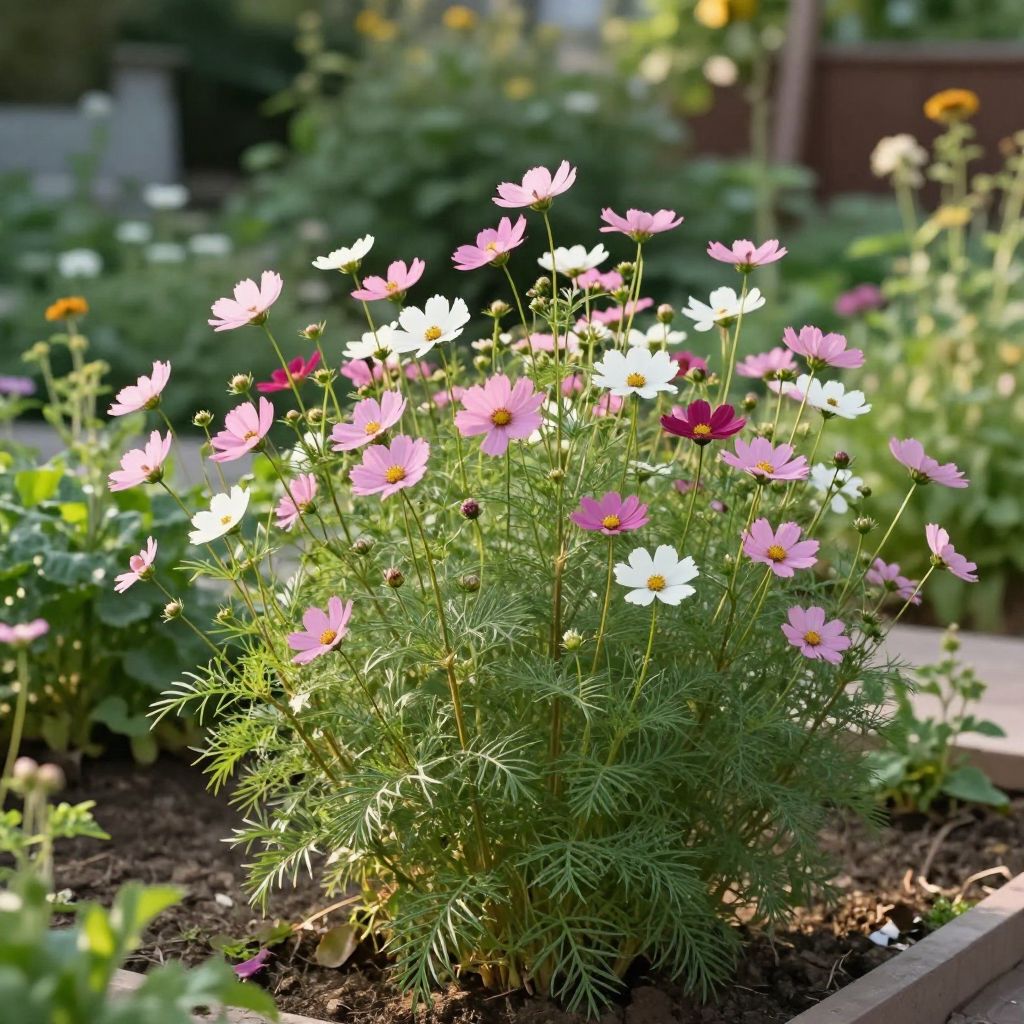
Wondering when do cosmos bloom in your garden? The short answer is that cosmos usually start flowering in early to mid-summer and keep going until frost if they get enough sun and aren’t overfed. Exact bloom time depends on when you sow them, your climate, and whether you grow them from seed indoors or direct in the garden.
These easy annuals are prized for their long flowering season, airy foliage, and daisy-like blooms in pink, white, orange, or red. If you want a steady display, the key is to give cosmos warmth, full sun, and well-drained soil rather than rich, heavily amended ground.
When do cosmos bloom?
Cosmos typically bloom about 7 to 12 weeks after sowing, with flowers opening from early summer through the first frost. In warm climates or with an early indoor start, you may see blooms sooner; in cooler regions, flowering begins later but can continue for months once plants settle in.
What affects the bloom time of cosmos?
Several growing conditions influence how quickly cosmos flower. The biggest factors are temperature, sunlight, soil fertility, and whether you started from seed indoors or sowed directly outside.
1. Sowing method
Direct-sown cosmos often bloom a little later because the plants begin growing only after outdoor conditions warm up. Indoor-started seedlings can get a head start, especially in short growing seasons.
2. Temperature
Cosmos are warm-season annuals. They grow best once nights are consistently mild, and cold spring weather can slow them down. If you sow too early into chilly soil, germination and growth may stall.
3. Sunlight
Full sun is essential for reliable blooming. In less than 6 hours of direct sun, cosmos may grow tall and leafy but produce fewer flowers.
4. Soil fertility
Rich soil can encourage lush foliage at the expense of blooms. Cosmos usually flower best in average to lean soil with good drainage.
5. Variety
Different cosmos species and cultivars bloom at slightly different rates. Tall garden cosmos, dwarf types, and some compact selections may all perform a bit differently, so check the seed packet or plant tag for expected timing.
How to get cosmos blooming sooner
If you want earlier flowers, the goal is to give plants a strong start without pushing them too hard. Cosmos are fast growers, so a few simple choices can shave time off the wait.
- Start seeds indoors 4 to 6 weeks before your last expected frost if your season is short.
- Use a bright windowsill or grow light so seedlings don’t stretch.
- Harden off seedlings before planting them outdoors.
- Transplant into a sunny site only after frost danger has passed.
- Keep the soil evenly moist while plants are young, then water less often once established.
If you direct sow, wait until the soil has warmed and the danger of frost is over. Seeds usually germinate faster in warm soil, and seedlings grow more quickly when they are not chilled.
Best growing conditions for healthy cosmos blooms
Cosmos are forgiving, but they bloom best when their basic needs are met. You do not need to pamper them; in fact, overcare is a common reason for poor flowering.
Sun
Choose a site with 6 to 8 hours of direct sun daily. More sun generally means sturdier stems and more flowers.
Soil
Cosmos prefer loose, well-drained soil. Heavy clay can be improved with compost, but avoid making the bed overly rich. If your soil is very fertile, the plants may grow tall and floppy with fewer blooms.
Water
Water young plants regularly until roots are established. After that, cosmos are fairly drought-tolerant and usually need watering only when the top few inches of soil dry out.
Spacing
Good air circulation helps prevent disease and supports flowering. Space plants according to the variety, but avoid crowding them. Overcrowded cosmos often become weak and bloom less freely.
Why your cosmos may not be blooming yet
If your plants are growing but not flowering, the problem is usually environmental rather than serious. A few common issues can delay blooms.
- Too much nitrogen: High-nitrogen fertilizer promotes leaves instead of flowers.
- Not enough sun: Shaded plants often stay green and leafy with few buds.
- Plants are too young: Some cosmos need time to reach flowering size.
- Cool weather: Growth slows until temperatures rise.
- Overwatering: Constantly wet soil can weaken roots and reduce flowering.
If your cosmos are healthy but slow to bloom, be patient and avoid adding more fertilizer. In many gardens, they simply need warmer weather and a little more time.
How to encourage more flowers all season
Once cosmos start blooming, a few maintenance habits can keep them flowering longer. These plants respond well to light care and regular deadheading.
Deadhead spent blooms
Remove faded flowers before they form seed heads. This encourages the plant to keep producing new buds instead of putting energy into seed production.
Pinch young plants
When seedlings are about 6 to 8 inches tall, pinching the tips can encourage branching. More branches usually mean more flower stems later.
Stake tall varieties if needed
Some cosmos can grow leggy, especially in fertile soil or windy spots. A simple stake or support ring can prevent stems from flopping and keep blooms visible.
Water wisely
Deep, occasional watering is better than frequent shallow watering. Let the soil dry slightly between waterings once the plants are established.
Cosmos bloom season by climate
Bloom timing varies widely depending on where you garden. Use the following as a general guide, then adjust based on your local frost dates and summer heat.
- Cool climates: Blooming often begins in mid- to late summer and continues until frost.
- Mild climates: Plants may start earlier and flower for a longer stretch.
- Hot climates: Cosmos can bloom well, but extreme heat may shorten individual flower life unless plants have enough moisture and morning sun with some afternoon relief in the hottest areas.
In long-season regions, you can also sow in succession every few weeks for a staggered display. This helps keep the garden full of fresh blooms rather than one large flush that fades at once.
Growing cosmos from seed: a simple timeline
Cosmos are among the easiest flowers to grow from seed, and seed sowing is often the best way to get a long bloom season. Here is a practical timeline you can adapt to your area.
- Before last frost: Start seeds indoors if you want an earlier bloom.
- After last frost: Direct sow outdoors in prepared, sunny soil.
- Seedling stage: Keep soil lightly moist and avoid overfeeding.
- Vegetative growth: Pinch once if you want bushier plants.
- Flowering: Deadhead regularly to extend bloom time.
Because cosmos dislike root disturbance, many gardeners prefer direct sowing. If you transplant, handle seedlings gently and move them while they are still small.
Common pests and diseases that can affect blooming
Cosmos are generally trouble-free, but stress from pests or disease can reduce flowering. Watch for problems early so the plants keep growing strongly.
Aphids
These small insects may cluster on tender growth and flower buds. A strong spray of water can dislodge them, and beneficial insects often help keep them in check.
Powdery mildew
This fungal disease can appear as a white coating on leaves, especially in crowded plantings or humid conditions. Improve spacing, avoid overhead watering late in the day, and remove badly affected foliage.
Slugs and snails
Young seedlings may be damaged before they ever bloom. Check plants at night or early in the morning and protect them if needed.
Weak, floppy stems
This is often caused by too much shade or overly fertile soil. Move plants to a sunnier spot next season and reduce compost or fertilizer additions.
Can you cut cosmos for bouquets without reducing blooms?
Yes. Cutting cosmos for bouquets can actually encourage more flowering if you harvest correctly. Use clean scissors or pruners and cut stems just above a leaf node, where new side shoots can form.
Pick flowers when the buds are just opening for the longest vase life. Regular cutting, like deadheading, tells the plant to keep producing more blooms.
Quick troubleshooting checklist
If your cosmos are not blooming on schedule, run through this simple checklist before making changes.
- Are they getting at least 6 hours of direct sun?
- Is the soil draining well rather than staying soggy?
- Have you avoided high-nitrogen fertilizer?
- Are the plants old enough to flower?
- Have you removed spent blooms regularly?
- Are they crowded or shaded by nearby plants?
Correcting one or two of these issues is often enough to trigger better flowering within a few weeks, especially once temperatures are warm and stable.
Conclusion
So, when do cosmos bloom? Most begin flowering 7 to 12 weeks after sowing and then keep going from early summer until frost when grown in full sun with well-drained soil. If you want the longest display, sow at the right time for your climate, avoid overfertilizing, and deadhead regularly. For more seasonal flower-growing tips, consider reading about how to grow annual flowers from seed and deadheading flowers for longer bloom.