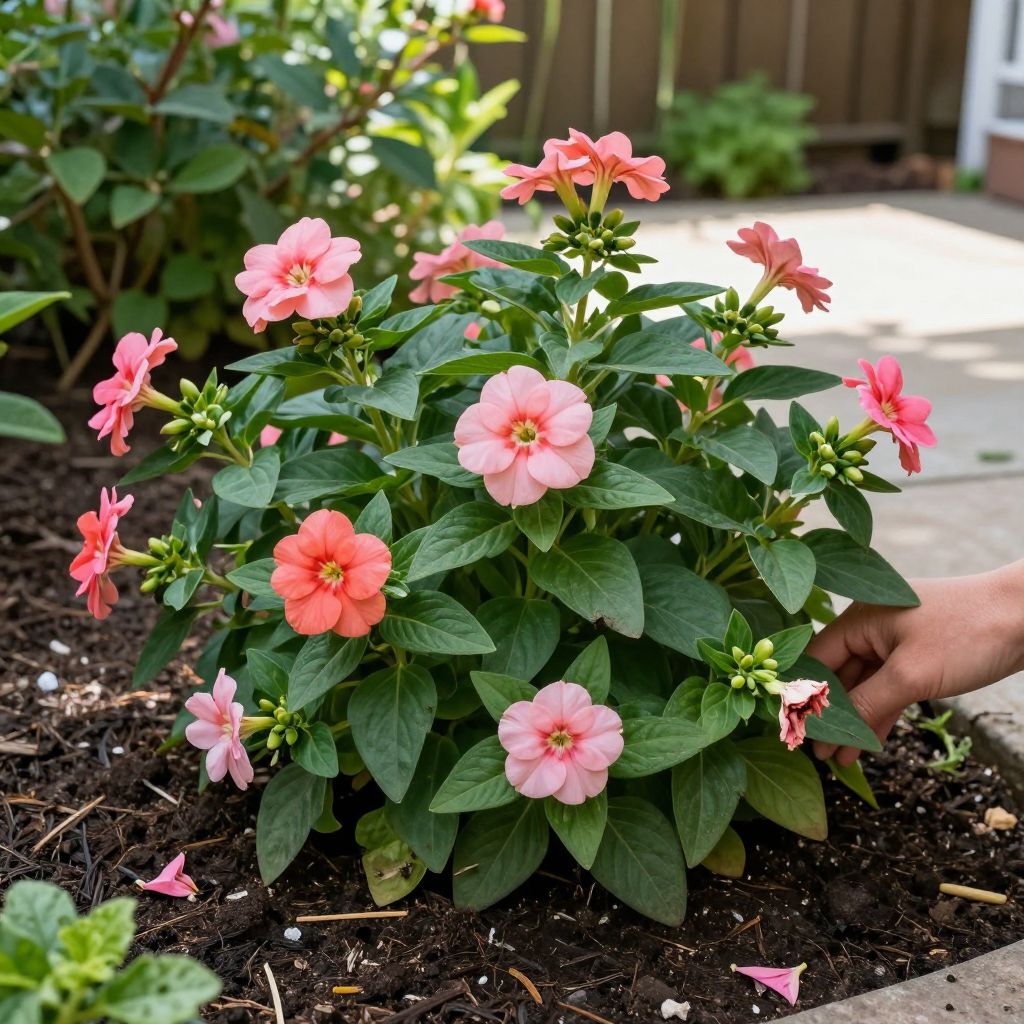
Are impatiens perennials, or do you need to replant them every year? It depends on the type you grow and your climate. Most garden impatiens are treated as tender annuals in cool regions, while some impatiens species can behave as perennials in frost-free or mild-winter areas.
If you want reliable blooms, the key is matching the plant to your local conditions. With the right light, moisture, and soil, impatiens can be some of the easiest shade flowers to grow.
Are impatiens perennials?
Most common bedding impatiens, especially Impatiens walleriana, are frost-tender and grown as annuals in many gardens. In warm, frost-free climates, some impatiens can survive for multiple years, and a few species are true perennials. Their longevity depends on winter temperatures, drainage, and whether they are grown indoors or outdoors.
Understanding the different types of impatiens
Not all impatiens are the same, and that is where much of the confusion comes from. The plant you buy at a garden center may be very different from a perennial woodland species or a tropical impatiens grown as a houseplant.
Common bedding impatiens
Impatiens walleriana is the classic shade impatiens used in beds, borders, and containers. In most temperate climates it will not survive freezing weather, so gardeners replant it each spring.
New Guinea impatiens
New Guinea impatiens are also commonly sold as seasonal color plants. They can live longer in warm climates, but they are still usually grown as annuals or tender perennials because frost damages them easily.
Perennial impatiens species
Some impatiens species are naturally perennial in suitable climates, especially in tropical or subtropical regions. These are less common in typical home gardens and are usually grown where winters stay mild.
What makes impatiens perennial in some places?
Temperature is the biggest factor. If winter frost kills the stems and roots, the plant will not return the next year. In frost-free areas, or where plants are protected from cold, some impatiens can keep growing for several seasons.
Soil moisture, drainage, and disease pressure also matter. A plant may be technically perennial in your zone but still decline quickly if it sits in soggy soil or suffers from mildew, rot, or insect damage.
Climate matters more than the label
- Frost-free or tropical climates: Some impatiens can live year-round outdoors.
- Mild winters: Plants may survive in sheltered spots, especially with mulch.
- Cold winters: Most bedding impatiens die back at the first hard frost.
How to grow impatiens well, whether annual or perennial
Even if you only keep impatiens for one season, good care can extend bloom time and help overwintering success in warm areas. The basics are the same: light shade, rich soil, and consistent moisture without waterlogging.
Light
Impatiens usually perform best in partial to full shade. Morning sun with afternoon shade is often ideal, especially in hot climates. Too much direct sun can scorch leaves and reduce flowering, while deep shade may cause weak growth and fewer blooms.
Soil
Use a loose, fertile soil that drains well but still holds some moisture. Working in compost improves texture and helps the roots spread. Heavy clay should be amended or planted in raised beds or containers to reduce rot risk.
Watering
Impatiens like steady moisture, but they do not want wet feet. Water when the top inch of soil feels dry, then water deeply so moisture reaches the root zone. In containers, check more often because pots dry out faster than garden beds.
Mulch
A 2- to 3-inch layer of organic mulch helps keep roots cooler and reduces moisture loss. Keep mulch a little away from the stems to discourage rot.
Can you overwinter impatiens?
Yes, sometimes, but it depends on the plant and your setup. In warm climates, outdoor plants may survive with minimal protection. In colder regions, you can try bringing tender impatiens indoors before frost if you want to keep a favorite plant going.
Overwintering indoors
- Take cuttings or move healthy potted plants indoors before cold nights arrive.
- Place them in bright, indirect light.
- Keep temperatures moderate and avoid cold drafts.
- Water less often than outdoors, but do not let the soil dry out completely.
- Watch closely for pests such as aphids, whiteflies, and spider mites.
Indoor overwintering works best when the plant is healthy going into fall. Weak, leggy, or pest-infested plants often struggle indoors.
Overwintering outdoors in mild climates
If your winters are gentle, you may be able to keep impatiens alive outdoors with extra mulch and shelter from wind. Even then, a sudden freeze can still damage them, so this is not guaranteed.
Pruning and maintenance for fuller plants
Impatiens benefit from light grooming throughout the season. Pinching back long stems encourages branching and helps plants stay compact instead of floppy.
- Remove spent flowers if you want a tidier look.
- Pinch back leggy stems to promote bushier growth.
- Trim damaged or diseased leaves promptly.
- Clear fallen plant debris to reduce fungal problems.
If a plant becomes stretched and sparse, a light trim plus better light can often improve it. In containers, rotating the pot every week or two helps the plant grow evenly.
Common impatiens problems and how to fix them
Most impatiens issues come from too much sun, poor drainage, or disease. Catching problems early makes a big difference, especially if you are trying to keep plants alive from one season to the next.
Yellow leaves
Yellowing often points to overwatering, poor drainage, or nutrient stress. Check the soil first. If it stays wet for days, improve drainage before adding more water or fertilizer.
Wilting in spite of moist soil
This can signal root problems, especially in heavy or soggy soil. Wilting can also happen on hot afternoons if the plant is getting too much sun. Move container plants to brighter shade and improve airflow around garden plants.
Mildew and leaf spots
Impatiens can be affected by fungal diseases, especially in humid conditions or when leaves stay wet. Water at the base of the plant, space plants well, and remove infected leaves quickly. Avoid overcrowding, which traps moisture.
Pests
Aphids, whiteflies, and spider mites may appear on stressed plants. Rinse small infestations off with water, prune heavily infested growth, and keep plants vigorous. Healthy impatiens usually recover better than stressed ones.
Propagation: how to make more impatiens
If you want to save a favorite plant, propagation is often easier than trying to nurse an old plant through winter. Cuttings are the most practical method for home gardeners.
Taking cuttings
- Choose a healthy, non-flowering stem.
- Cut a 3- to 5-inch piece just below a node.
- Remove the lower leaves.
- Place the cutting in moist potting mix or water.
- Keep it in warm, bright indirect light until roots form.
Once rooted, pot the new plant up and grow it on in a sheltered spot. This is a useful way to preserve a plant you especially like, even if the original plant is not reliably perennial outdoors.
Best uses in the garden
Impatiens are especially useful where many flowering plants struggle with shade. They work well in borders, under trees, in hanging baskets, and in containers near patios or doorways.
- Shady beds: Bright color where sun-loving annuals fail.
- Containers: Easy to move if weather changes.
- Mass plantings: Good for a soft, colorful edge.
- Mixed shade planters: Pair with other moisture-loving plants with similar light needs.
What to expect from impatiens year after year
For most gardeners, the honest answer is that impatiens are usually seasonal flowers rather than dependable perennials. In warm climates, some can return or persist for several years, but in colder regions you should plan to replant them each season or overwinter them indoors.
If you want the best results, focus on shade, moisture, and drainage first. Then decide whether you want to treat your impatiens as a one-season display or try to carry them through winter. For more shade-garden planning, you may also want to read about shade garden plants and container gardening basics.