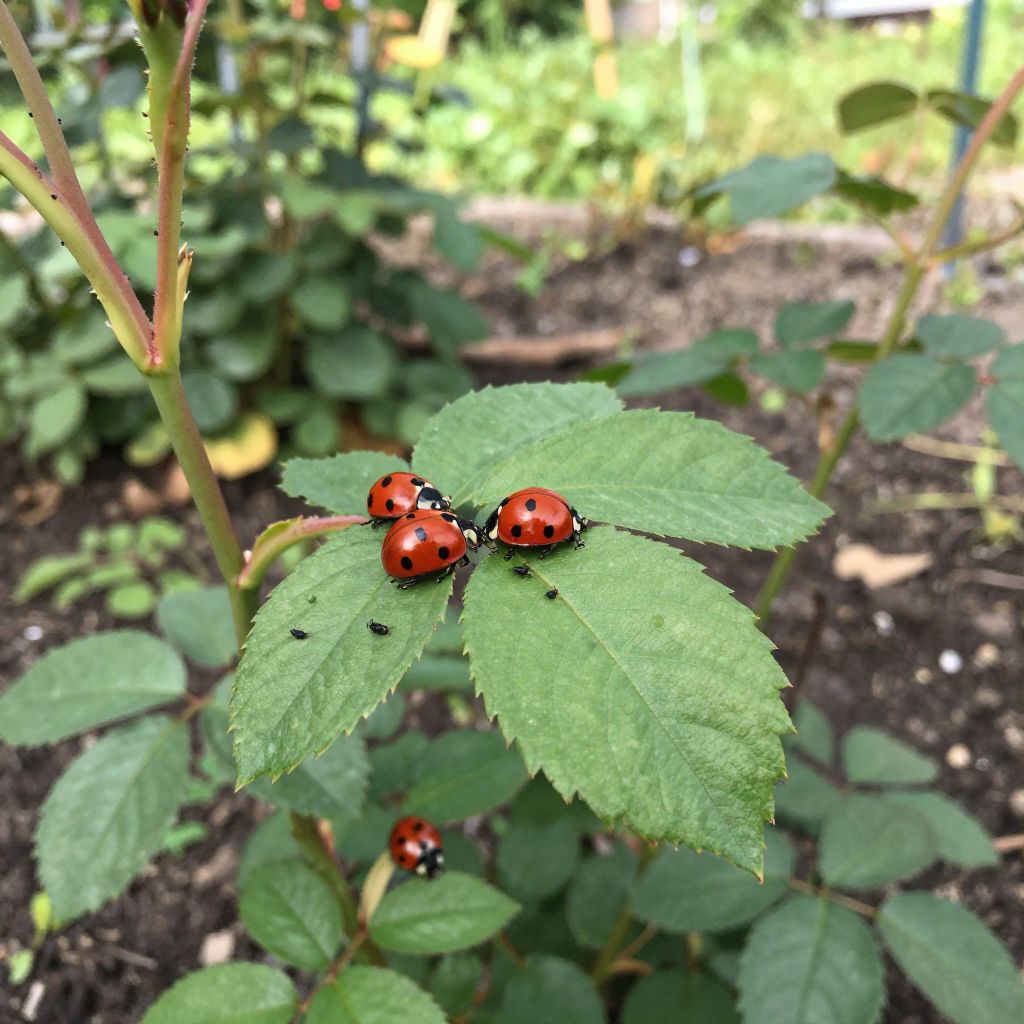
Are ladybugs good for gardens? Yes—when they’re present in the right numbers, ladybugs are one of the most helpful beneficial insects you can have. Both adults and larvae feed on soft-bodied pests such as aphids, making them a natural part of integrated pest management in flower beds, vegetable gardens, and fruit plantings.
The key is understanding what ladybugs can and cannot do. They help reduce pest pressure, but they are not a complete fix for severe infestations, and they need the right habitat to stay in your garden.
Are ladybugs good for gardens?
Yes. Ladybugs are beneficial insects that eat aphids, scale crawlers, mealybugs, mites, and other small pests that damage leaves and stems. They are especially useful in gardens with roses, beans, brassicas, fruit trees, and tender new growth. For best results, support them with flowers, water, and fewer broad-spectrum pesticides.
Why ladybugs help garden plants
Ladybugs are predators, not plant pests. The adults and larvae both feed on soft-bodied insects that suck sap from plants and can spread disease.
What they eat
- Aphids
- Mealybugs
- Scale insect crawlers
- Spider mites
- Whitefly eggs and nymphs
The larvae are often even more voracious than the adults. Many gardeners overlook them because they look less familiar than the spotted beetles, but they do a lot of the work.
How they protect plants
By reducing pest populations early, ladybugs can limit leaf curl, sticky honeydew, sooty mold, and weakened new growth. That means less stress on vegetables, ornamentals, shrubs, and young fruit trees.
What ladybugs need to stay in your garden
Ladybugs will only remain if your garden offers food, shelter, and a pesticide-free environment. If the area is too dry, too tidy, or sprayed often, they may leave quickly.
Best growing conditions for beneficial insects
- Food: A steady supply of aphids or pollen when pest numbers are low
- Water: Shallow moisture sources, especially in hot weather
- Shelter: Dense plantings, mulch, hedges, and nearby cover
- Flowers: Small blooms that provide nectar and pollen
- Low pesticide use: Especially avoid broad-spectrum insecticides
Mixed plantings often support ladybugs better than bare, highly manicured beds. Herbs, native flowers, and flowering vegetables can all help.
How to attract ladybugs naturally
If you want ladybugs to show up and stay, focus on building a garden that supports beneficial insects throughout the season.
- Plant a variety of flowering plants with different bloom times.
- Leave some aphid pressure for natural predators to find, but monitor so infestations do not get out of hand.
- Provide shallow water in a dish with pebbles or a damp area of mulch.
- Reduce or eliminate broad-spectrum sprays, especially during bloom.
- Grow sheltering plants such as dill, fennel, yarrow, alyssum, and cosmos where appropriate for your climate.
Avoid spraying insecticides “just in case.” Many products that kill pests also kill ladybugs and other beneficial insects, which can make pest problems worse later.
Should you buy and release ladybugs?
Sometimes, but only with realistic expectations. Purchased ladybugs can help in a greenhouse, enclosed garden, or a small area with a clear aphid outbreak. In an open landscape, many will fly away unless conditions are favorable.
When release may work
- You have a contained space, such as a greenhouse or screened structure
- There is already a good food source, especially aphids
- You release them in the evening and mist plants lightly beforehand
- You provide water and nearby shelter
Common mistakes with purchased ladybugs
- Releasing them into a dry, food-poor garden
- Expecting them to stay in a large open yard
- Using sprays that kill them after release
- Buying them as a substitute for long-term garden balance
If you do release them, do it as part of a broader pest-management plan, not as the only strategy.
How to tell ladybugs from pests
Most gardeners welcome the classic dome-shaped beetles with red or orange wing covers and black spots, but not every small beetle is beneficial. Correct identification matters before you decide whether to protect or remove an insect.
Beneficial ladybug signs
- Rounded, oval body shape
- Bright red, orange, or yellow wing covers in many species
- Slow movement on leaves with aphids
- Larvae that look like small alligator-shaped insects with orange or black markings
Watch for look-alikes
Some beetles resemble ladybugs but do not offer the same garden benefits. If you are unsure, compare the insect’s shape, color pattern, and what it is feeding on before taking action.
How ladybugs fit into pest control
Ladybugs are most effective as part of integrated pest management, which combines monitoring, cultural care, and selective intervention when needed. They are especially valuable in gardens where you want to reduce chemical use.
Use them with these garden practices
- Inspect plant undersides weekly for aphids and eggs
- Pinch off heavily infested tips on small plants when practical
- Rinse pests off with a strong spray of water on sturdy plants
- Encourage birds, lacewings, hoverflies, and parasitic wasps as additional beneficials
- Remove severely diseased or declining plant material that attracts pests
For many gardens, this combination works better than relying on any single insect species.
Seasonal care tips for supporting ladybugs
Ladybugs are active when temperatures are mild to warm, and they may become less visible during cold periods or extreme heat. Your garden care should shift with the season.
Spring
Watch for aphids on tender new growth. This is often when beneficial insects become active, so avoid overreacting to a few pests early in the season.
Summer
Keep plants watered according to their needs, especially during dry spells, because stressed plants attract more pests. Mulch can help retain soil moisture and support a more stable habitat.
Fall
Leave some plant structure and garden diversity in place. Overly aggressive cleanup can remove shelter and reduce overwintering habitat for beneficial insects.
Winter
In colder climates, ladybugs may overwinter in protected spots such as leaf litter, bark crevices, or sheltered garden edges. Avoid disturbing every hiding place if you want them to return in spring.
Common problems and how to fix them
Even when ladybugs are present, you may still see pest damage. That does not mean they are useless; it usually means the garden needs more time or better conditions.
Problem: Aphids are still multiplying
Ladybugs may not be numerous enough yet, or the infestation may be too large. Combine beneficial insects with pruning, water sprays, and removal of the worst-infested tips.
Problem: Ladybugs disappear quickly
The garden may lack food, moisture, or shelter. Add flowering plants, stop spraying, and create more diverse planting layers.
Problem: Plants are still stressed
Ladybugs do not fix poor soil, drought, root problems, or nutrient imbalance. Check drainage, watering habits, and plant spacing so the garden itself is healthier.
Problem: You see lots of pests but few larvae
Adult ladybugs may have arrived but not stayed long enough to reproduce. A more stable habitat usually improves the odds of seeing the next generation.
Do ladybugs harm plants?
In normal garden use, ladybugs do not damage healthy plants. They do not chew leaves or bore into stems. Their presence is generally a sign that your garden supports beneficial wildlife.
The only caution is that some people mistake them for a nuisance when they gather in large numbers near homes or sheltered structures in cool weather. In the garden itself, they are usually a net benefit.
Simple garden checklist for encouraging ladybugs
- Grow a mix of flowering plants and vegetables
- Limit pesticide use, especially broad-spectrum products
- Water plants appropriately so they are not stressed
- Leave some shelter and plant diversity in place
- Monitor aphids and other soft-bodied pests regularly
- Use ladybugs as part of a broader, balanced pest-control plan
Conclusion
So, are ladybugs good for gardens? Absolutely. They are one of the most useful beneficial insects for reducing aphids and other soft-bodied pests, especially when you support them with flowers, moisture, and minimal pesticide use. Start by checking your plants this week, then make one habitat improvement that helps ladybugs stay.
If you want to build a stronger natural pest-control system, consider reading more about beneficial insects in the garden and how to manage aphids without harsh chemicals.