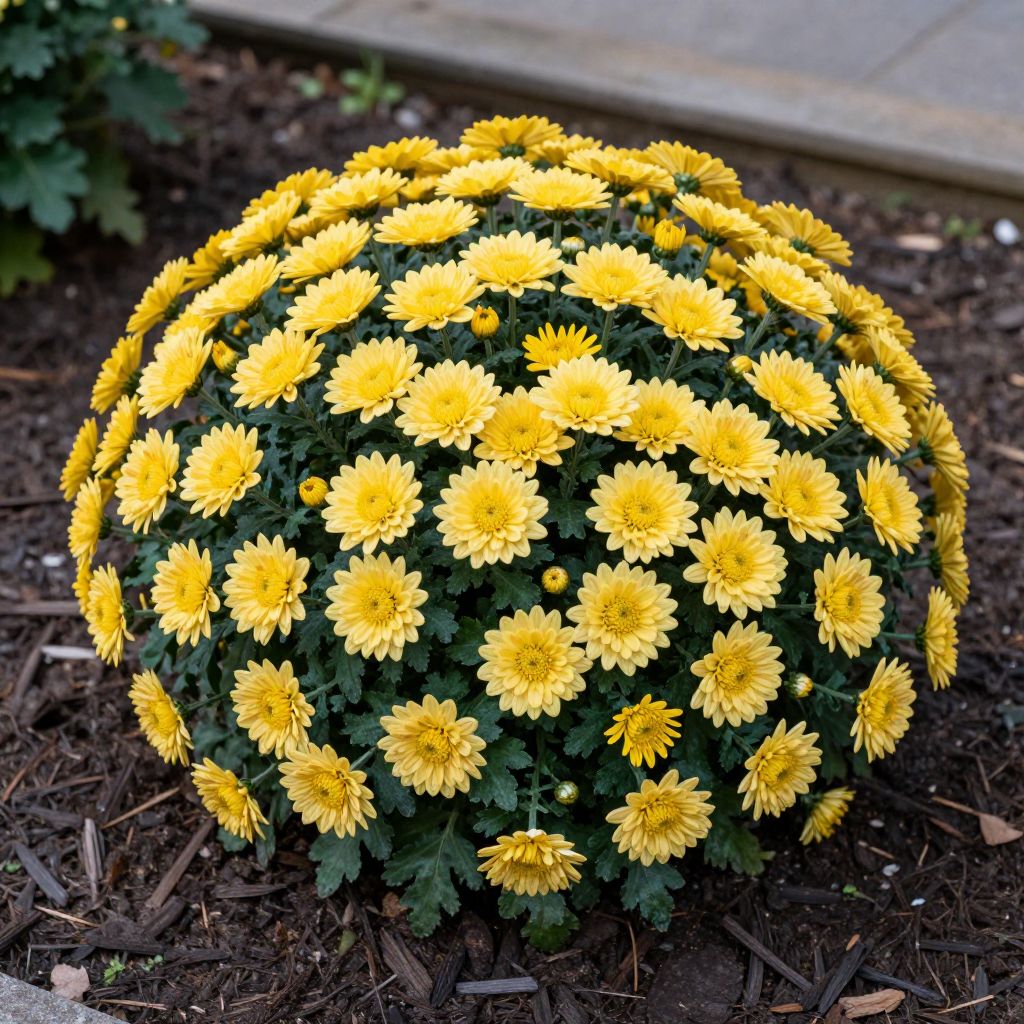
Are mums annuals or perennials? The short answer is: mums can be either, depending on the type you buy and how well they match your climate and care. Garden mums, or hardy chrysanthemums, are perennials in many areas, while florist mums are usually treated as temporary seasonal plants.
If you want mums to come back year after year, the variety, planting time, and winter conditions matter a lot. With the right choice and a little care, you can often keep hardy mums returning with fuller growth each season.
Are mums annuals or perennials?
Mums are both annuals and perennials in practice. Florist mums are usually grown as short-lived display plants, while hardy garden mums can survive winter and return for several years in suitable climates. Whether yours behaves like an annual or perennial depends on the plant type, planting time, and local growing conditions.
What kind of mum do you have?
Before you decide how to care for your plant, identify which type of chrysanthemum you bought. That tells you whether to expect one season of color or a long-term garden plant.
Florist mums
Florist mums are the compact, heavily budded plants often sold in pots for patios, porches, and gifts. They are usually bred for indoor or short-term decorative use and may not be winter-hardy outdoors.
Garden or hardy mums
Garden mums, also called hardy chrysanthemums, are selected for landscape planting and better cold tolerance. These are the mums most likely to return as perennials when planted early enough to establish roots before winter.
How to tell the difference
- Florist mums are often sold in bloom with tight, uniform shapes.
- Hardy mums are more often planted in the ground and may have a looser, less forced look.
- Labels that mention “garden mum,” “hardy chrysanthemum,” or winter hardiness are a good sign.
- If a mum is sold late in the season already flowering heavily, it may be less likely to establish before cold weather.
Why mums sometimes come back and sometimes don’t
Even hardy mums can fail to return if they are planted too late, sit in wet soil, or are exposed to severe winter swings. A perennial plant needs time to build roots, and mums are especially sensitive to poor drainage and repeated freeze-thaw cycles.
Common reasons mums act like annuals
- They were florist mums, not hardy garden mums.
- They were planted too late in the season to root in well.
- The soil stayed soggy through fall and winter.
- They were cut back too late or too hard before winter.
- They were grown in a climate colder than the plant can handle.
How to grow mums so they return
If your goal is a perennial mum, focus on root establishment first. Healthy roots, good drainage, and enough sun are more important than pushing for the biggest bloom display right away.
Best planting conditions
- Sunlight: Full sun is best, ideally at least 6 hours a day.
- Soil: Loose, fertile soil that drains well.
- Drainage: Avoid low spots where water collects.
- Airflow: Space plants so foliage dries quickly after rain or watering.
Soil preparation
Work in compost before planting if your soil is thin, compacted, or low in organic matter. Compost improves moisture retention in sandy soil and helps loosen heavy soil, but it will not fix a drainage problem by itself.
If your garden soil stays wet after rain, consider raised beds or mounded planting. Mums dislike sitting in saturated ground, especially in cool weather.
Watering guidance
Water newly planted mums deeply so roots can settle into the surrounding soil. After that, water when the top inch of soil feels dry, adjusting for heat, rainfall, container size, and wind exposure.
For potted mums, check moisture more often because containers dry out faster than garden beds. Never let pots stand in saucers full of water for long periods.
Mulching
A light mulch layer can help moderate soil temperature and reduce winter heaving in colder regions. Keep mulch a few inches away from the crown so the plant base does not stay damp.
How to overwinter hardy mums
Overwintering is the main difference between treating mums as annuals and growing them as perennials. The goal is to protect the crown and roots without creating rot or trapping too much moisture.
- After flowering, let the plant continue growing until frost slows it down naturally.
- In late fall, cut stems back after the foliage browns or after a hard frost, depending on your climate.
- Apply a light mulch once the ground begins to cool, not while the soil is still warm and wet.
- In spring, remove excess mulch gradually as new growth appears.
Important winter mistake to avoid
Do not bury mums under a thick, wet blanket of mulch too early. That can encourage rot and may also keep the plant too warm, causing it to break dormancy during a mild spell and then suffer damage when cold returns.
Pruning and pinching for better growth
Mums bloom best when they are pinched during the growing season. Pinching encourages branching, which creates a fuller plant with more flowers later on.
How pinching works
When stems are a few inches tall, remove the tip of each stem with clean fingers or pruners. Repeat as needed early in the season, but stop pinching well before bloom time so the plant can form buds.
When not to prune
Do not keep cutting the plant back once flower buds are forming. Late pruning can reduce flowering and may weaken the plant before winter.
Feeding mums without overdoing it
Mums usually do best in moderately fertile soil. Too much nitrogen can produce lush leaves but fewer flowers and weaker stems.
If your soil is already rich, you may only need compost and a balanced, light feeding during active growth. In poor soil, use a general-purpose fertilizer according to the product label and local growing conditions, not a fixed schedule.
Signs of too much fertilizer
- Lots of leaves, few flowers
- Soft, floppy growth
- Delayed blooming
Common pests and diseases
Mums are not especially difficult plants, but they can develop problems if crowded, overwatered, or stressed by heat and humidity.
Typical pests
- Aphids: Cluster on tender growth and buds.
- Spider mites: More common in hot, dry conditions.
- Thrips: Can distort flowers and buds.
Common diseases
- Powdery mildew: Often appears when airflow is poor.
- Leaf spot: Can develop in wet, crowded plantings.
- Root rot: Usually tied to poorly drained soil or overwatering.
Simple prevention steps
- Plant in full sun with room for air movement.
- Water at the soil line instead of soaking the foliage.
- Remove spent or diseased leaves promptly.
- Do not overcrowd plants in beds or containers.
Can you propagate mums?
Yes. Hardy mums are often propagated by dividing established plants in spring or by taking cuttings, depending on your experience and timing. Division is the simplest method for most home gardeners.
Dividing mums
In spring, when new growth is just starting, dig up a healthy clump and separate it into sections with roots attached. Replant the divisions promptly and water them well.
Division helps rejuvenate older clumps that have become woody or sparse in the center.
Using mums in the landscape or containers
Mums work well in borders, foundation plantings, mixed fall containers, and seasonal displays. For long-term success, match the planting style to the plant type.
In the ground
Hardy mums are best for permanent beds where they can establish roots and spread gradually. Plant them with enough space so air can move through the foliage.
In containers
Containers are great for florist mums and also useful for hardy mums if you want flexible placement. Just remember that pots dry out faster and may expose roots to colder temperatures than in-ground plantings.
What to expect by season
Mums are seasonal in appearance even when they are perennial in habit. They grow, bloom, and rest in a cycle that depends heavily on daylight and temperature.
- Spring: New shoots emerge from established roots.
- Summer: Plants build size and should be pinched early for bushiness.
- Fall: Buds open and flowers peak.
- Winter: Hardy mums go dormant underground in colder climates.
Quick answer: should you treat mums as annuals or perennials?
If you want easy fall color, treat mums like seasonal annuals and enjoy them while they bloom. If you want them to return, buy hardy garden mums, plant them early in a sunny, well-drained spot, and give them time to root before winter.
For more seasonal flower guidance, you may also want to read about how to care for fall container plants and perennial pruning basics for home gardens.