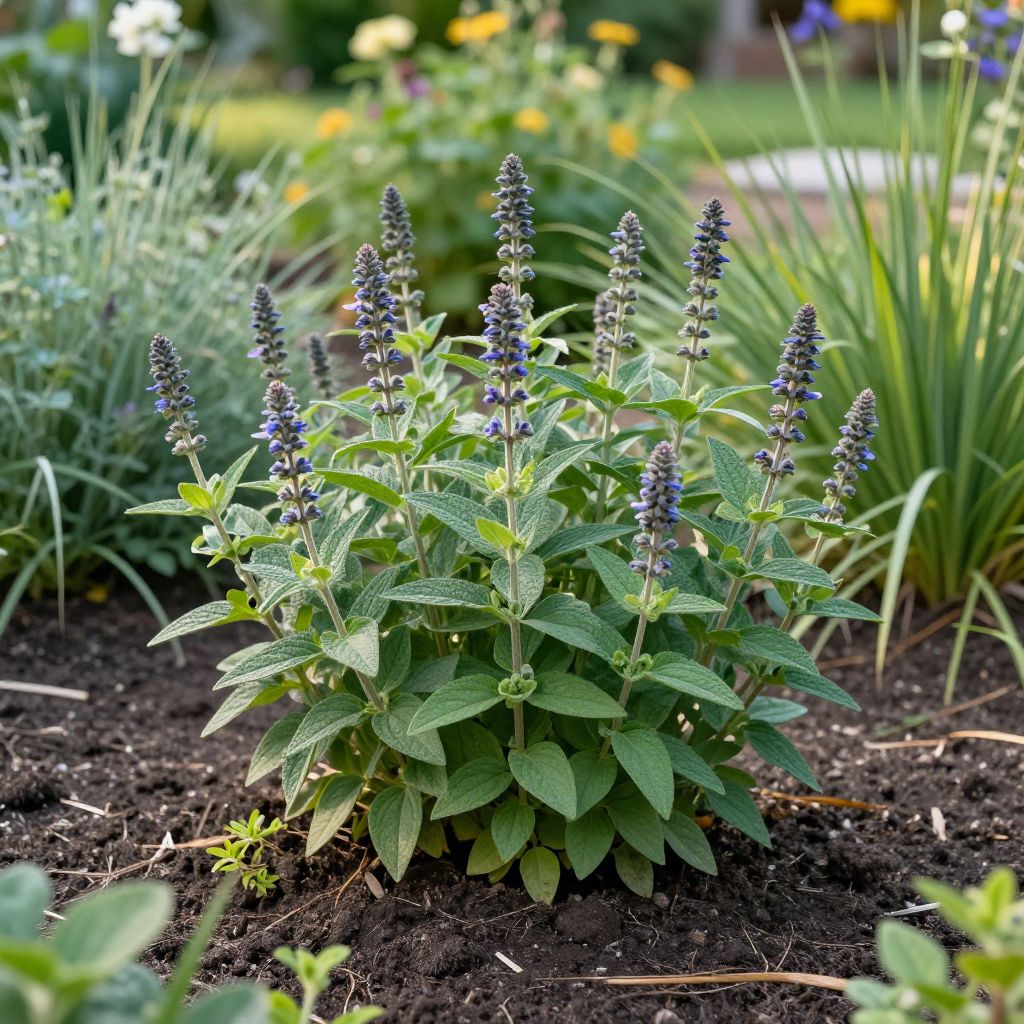
Are salvia perennials? In many gardens, yes—but not all salvias behave the same way. Some species are true perennials that return year after year, while others are tender perennials or annuals depending on your climate.
The key is knowing which salvia you have and how much winter cold it can handle. With the right planting site, drainage, and pruning, perennial salvias can be long-lived, low-maintenance plants that bloom heavily and attract pollinators.
Are salvia perennials?
Many salvias are perennial, especially hardy species such as Salvia nemorosa, Salvia officinalis in mild climates, and several shrubby types in warm regions. However, the genus includes annuals, tender perennials, and woody shrubs, so whether yours returns depends on the species and your winter temperatures.
Understanding the different types of salvia
“Salvia” is a large plant group, so it helps to separate them into broad categories before deciding how to grow them. The label at the nursery often gives the best clue to whether a plant is perennial in your area.
Hardy perennial salvias
These are the kinds most gardeners mean when they ask if salvia is perennial. They die back in winter in colder climates and regrow from the base in spring.
- Salvia nemorosa and related ornamental salvias
- Salvia pratensis and some meadow-type salvias
- Many cold-tolerant culinary and ornamental selections in suitable climates
Tender perennials and shrubs
Some salvias are perennial only where winters are mild. In colder areas, they may be treated as annuals or brought indoors if grown in containers.
- Salvia guaranitica in frost-free or mild-winter gardens
- Many shrubby salvias with woody stems
- Container-grown salvias that can’t survive freezing temperatures outdoors
Annual salvias
Some ornamental salvias are grown as annual bedding plants. They flower well in one season but are not expected to survive winter outdoors in cold climates.
How to tell if your salvia will come back
If you are unsure whether your plant is perennial, check the plant tag, botanical name, and local hardiness expectations. The species name matters more than the common name, because “salvia” can refer to many different plants with very different winter survival.
- Look for the botanical name on the tag or plant label.
- Match the plant’s cold tolerance to your local winter conditions.
- Ask whether the plant is herbaceous, woody, or tender.
- Consider whether it is planted in the ground or in a pot.
Even a perennial salvia may fail if it sits in wet soil all winter, is planted in deep shade, or is exposed to winter conditions far beyond its tolerance.
Best growing conditions for perennial salvia
Most perennial salvias prefer full sun, sharply drained soil, and moderate watering once established. They are usually easier to keep alive in a slightly dry spot than in rich, soggy ground.
Sunlight
Give salvias at least 6 hours of direct sun when possible. In very hot climates, some afternoon shade can help prevent stress, but too much shade often reduces flowering and encourages floppy growth.
Soil and drainage
Drainage is one of the most important factors for salvia success. These plants dislike sitting in waterlogged soil, especially in winter.
- Use well-drained garden soil or a raised bed if your ground stays wet.
- Work in compost to improve soil structure, but avoid making the soil overly rich.
- In heavy clay, plant on a slight mound or in amended beds to help excess water move away.
Watering
Water young plants regularly until they establish, then reduce frequency. Established salvias generally prefer deep, occasional watering over frequent light sprinkling.
- Check the top few inches of soil before watering.
- Water more often during hot, windy weather or in containers.
- Avoid keeping the root zone constantly damp.
How to plant salvia for long-term success
Planting correctly gives perennial salvia the best chance to return year after year. The goal is to establish roots quickly while avoiding the wet conditions that can rot crowns and stems.
- Choose a sunny site with good drainage.
- Loosen the soil and mix in a modest amount of compost if needed.
- Dig a hole as deep as the root ball and slightly wider.
- Set the plant at the same depth it was growing in the pot.
- Backfill, firm lightly, and water thoroughly once.
- Mulch lightly, keeping mulch a few inches away from the crown.
Do not bury the crown too deeply. A planted-too-low salvia is more likely to rot, especially in wet or cold conditions.
Seasonal care for perennial salvia
Spring
In spring, remove dead stems and any winter-damaged growth once new shoots begin to appear. This is also a good time to divide crowded clumps of herbaceous salvias if the plant is large and healthy.
Summer
Deadhead spent flower spikes to encourage more bloom on many varieties. If the plant becomes leggy, a light trim can help keep it compact.
Fall
In colder climates, leave some top growth in place until after frost if it helps protect the crown. In milder regions, you can tidy the plant and remove diseased or damaged stems.
Winter
Winter care depends on the type of salvia and your climate. Hardy perennial salvias usually need little more than well-drained soil and a light mulch. Tender salvias may need container protection or indoor winter storage.
Pruning and deadheading
Pruning helps many salvias stay compact and bloom better. The right timing depends on whether you are growing a herbaceous perennial or a woody shrub type.
For herbaceous perennial salvias
- Remove faded flower spikes during the season to encourage repeat blooming.
- Cut back dead stems in late winter or early spring.
- If plants become open and floppy, trim lightly after a flush of bloom.
For woody salvias
Prune more carefully. Avoid cutting hard into old, leafless wood unless you know the plant tolerates it, because some woody salvias may not resprout from very old stems.
Common mistake: cutting all stems to the ground on a woody salvia that needs older growth to survive. When in doubt, prune gradually and observe how the plant responds.
Fertilizing salvia without overdoing it
Salvias usually do not need heavy feeding. Too much fertilizer can produce leafy growth with fewer flowers and weaker stems.
- Use compost at planting time if your soil is poor.
- If growth is weak, a light spring feeding may help, but avoid excessive nitrogen.
- In rich soil, many salvias need little or no extra fertilizer.
Container-grown salvias may need more attention because nutrients wash out of pots faster than they do in garden soil. Even then, feed lightly and follow the product label.
Common pests and diseases
Healthy salvias are often fairly trouble-free, but poor drainage and crowded planting can invite problems. Most issues are easier to prevent than to cure.
Common pests
- Aphids on tender new growth
- Whiteflies on greenhouse or indoor plants
- Spider mites in hot, dry conditions
- Slugs and snails around young plants in damp gardens
Common diseases
- Root rot from wet soil or poor drainage
- Powdery mildew in humid, crowded conditions
- Leaf spots when foliage stays wet for long periods
To reduce problems, space plants for airflow, water at the base instead of overhead when possible, and remove dead or diseased material promptly.
How to propagate salvia
Propagating salvia is a practical way to replace older plants or expand a favorite variety. The easiest method depends on the type of salvia you grow.
Division
Many herbaceous perennial salvias can be divided in spring or early fall when the weather is mild. Split the clump into sections with healthy roots and replant immediately.
Stem cuttings
Shrubby and tender salvias often root well from cuttings. Take non-flowering stem pieces from healthy growth, remove lower leaves, and place them in a moist, well-draining rooting mix.
Seed
Some salvias grow well from seed, but seedlings may not come true to named cultivars. Seed is useful for species plants and for gardeners willing to wait for flowering.
Growing salvia in containers
Containers are a good option if your soil is heavy or your winters are too cold for a tender salvia to survive outdoors. Pots also make it easier to move plants to a sheltered spot.
- Use a pot with drainage holes.
- Choose a free-draining potting mix, not garden soil.
- Water more often than in-ground plants, especially in hot weather.
- Protect pots from hard freezes if the salvia is not fully hardy.
Container plants dry out faster, but they can also suffer from waterlogged roots if the potting mix is too dense or the saucer holds water.
Troubleshooting: why salvia may not return
If your salvia did not come back, the cause is often environmental rather than a failure of the plant itself. Start by checking winter conditions, drainage, and whether the plant was actually perennial in your climate.
- Cold damage: the species may not be hardy enough for your area.
- Wet winter soil: roots or crowns may have rotted.
- Too much shade: weak growth may have reduced winter survival.
- Improper pruning: some woody salvias are damaged by overly hard cutting.
- Container exposure: roots in pots are more vulnerable to freezing.
If a plant seems lost, wait until late spring before giving up on hardy perennial salvias. Some are slow to re-emerge after a cold winter.
Best uses in the garden
Perennial salvias are useful in borders, pollinator gardens, rock gardens, and mixed perennial beds. Their upright flower spikes and aromatic foliage pair well with plants that like similar conditions.
- Front or middle of sunny borders
- Dry, well-drained slopes
- Pollinator-friendly plantings
- Containers in sunny patios and entryways
They also work well where you want a long bloom season with relatively low maintenance, provided the site drains well.
Conclusion
So, are salvia perennials? Many are, but the answer depends on the species and your climate. If you match the right salvia to your winter conditions, give it sun, drainage, and restrained watering, it can return reliably and bloom generously for years.
For more practical plant care, you may also want to read about how to prune perennials for stronger growth and choosing drought-tolerant flowers for sunny borders.