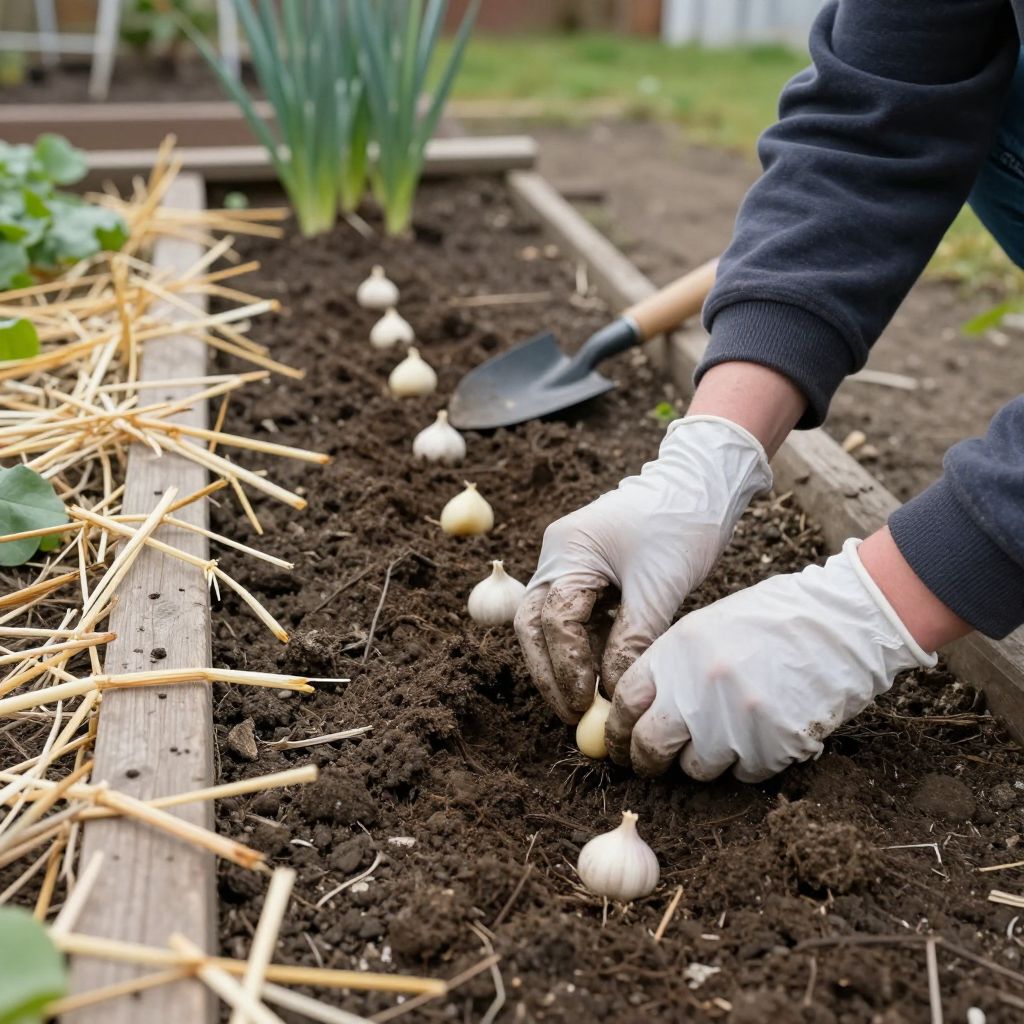
Can I plant garlic in the spring? Yes, you can, but the results are usually different from fall-planted garlic. Spring planting is a workable backup when you miss the autumn window, though bulbs often stay smaller and may not fully divide into large cloves.
If you plant in spring, choose the right type, get it into the ground as early as your soil can be worked, and give it rich, well-drained soil plus steady moisture. With good care, you can still harvest usable garlic, especially in cooler climates or if you start with high-quality seed garlic.
Can I plant garlic in the spring?
Yes, you can plant garlic in spring, especially hardneck types, but it is usually best planted as early as possible and may produce smaller bulbs than fall planting. Garlic needs a long cool period to form large bulbs, so spring planting is a compromise. It works best where winters are severe, fall planting was missed, or you want a crop of small to medium bulbs and fresh green garlic.
Why spring-planted garlic behaves differently
Garlic is a long-season crop. When planted in fall, cloves establish roots before winter and then use spring’s lengthening days to bulk up into full-sized bulbs.
When you plant in spring, the plant has less time to build roots and size up before warm weather slows bulb formation. That means:
- Bulbs are often smaller.
- Some varieties may not split into large, well-formed cloves.
- Harvest may come earlier than fall-planted garlic.
- Fresh green garlic or “baby garlic” is often the most reliable spring-planted result.
That said, spring planting is still worthwhile. If you want garlic greens, small bulbs, or you simply missed the fall window, it is a practical option.
What kind of garlic should you plant in spring?
Hardneck vs. softneck
Both types are garlic, but they behave a little differently. Hardneck garlic is often the better choice for colder climates and spring planting because it is generally more cold-tolerant and tends to perform well with a shorter season. Softneck garlic can also be grown, but it often prefers milder climates and may be less predictable when planted late.
If you are choosing between them, look for locally adapted seed garlic from a reputable source. Avoid grocery-store garlic if possible, since it may be treated to prevent sprouting or may carry disease.
What to plant: cloves, not whole bulbs
Plant individual cloves, not intact bulbs. Separate the bulb just before planting and keep the papery skins on each clove.
Choose the largest, healthiest cloves from the outside of the bulb. Larger cloves usually produce stronger plants and better bulbs than tiny inner cloves.
When should you plant garlic in spring?
Plant garlic as soon as the soil is workable and no longer waterlogged. In many places, that means early spring, often just after the hardest freezes have passed. The exact timing depends on your climate, but the general rule is simple: the earlier the better.
If you wait until late spring or early summer, the plants may grow, but bulb development is more likely to be weak. Garlic needs time in cool conditions before hot weather arrives.
How to plant spring garlic step by step
- Prepare the bed. Choose a sunny site with loose, well-drained soil. Garlic dislikes soggy ground.
- Work in compost. Mix in 2 to 3 inches of finished compost if your soil is poor or compacted. This improves structure and nutrient availability.
- Separate the cloves. Keep the papery wrapper on each clove and discard any soft, damaged, or moldy pieces.
- Plant pointy end up. Set each clove about 2 inches deep in lighter soil, or a little deeper in sandy soil.
- Space properly. Leave about 4 to 6 inches between cloves in rows spaced 10 to 12 inches apart.
- Water in lightly. Moisten the bed after planting, but do not soak it.
- Mulch. Add 2 to 4 inches of straw, shredded leaves, or similar mulch to help hold moisture and suppress weeds.
If your soil is heavy clay, raised beds can help a lot. Garlic bulbs rot more easily in wet, compacted soil than in loose, airy soil.
Soil, sunlight, and drainage needs
Best soil conditions
Garlic grows best in fertile, loose soil with plenty of organic matter. Aim for soil that drains well but still holds some moisture. A slightly acidic to neutral pH is generally suitable, though most home gardeners do best simply by improving soil with compost.
Drainage matters more than rich soil alone. If water sits around the cloves, they may rot before they establish.
Light requirements
Give garlic full sun whenever possible. Six or more hours of direct sun each day is ideal. In cooler regions, full sun helps spring-planted garlic grow as quickly as possible. In hotter climates, morning sun with some afternoon relief can still work if the soil stays evenly moist and well drained.
How to care for spring-planted garlic
Watering
Water enough to keep the soil evenly moist while the plants are establishing and actively growing. Garlic does not like drought, but it also does not tolerate soggy conditions.
A simple approach is to check the top inch of soil. If it feels dry, water deeply. If it is still moist, wait. Mulch helps reduce how often you need to water.
Feeding
If your soil is already rich, compost may be enough. In poorer soil, a light feeding early in growth can help. Use a balanced, garden-appropriate organic amendment if needed, but avoid overdoing nitrogen. Too much nitrogen can produce lush leaves and weak bulbs.
Garlic benefits more from steady growth than from heavy feeding. Build the bed well before planting when possible.
Weeding
Keep the bed weed-free, especially early on. Garlic has a narrow leaf structure and does not compete well with aggressive weeds.
- Mulch after planting to reduce weed pressure.
- Pull weeds by hand while they are small.
- Avoid deep cultivation near the bulbs, which can damage roots.
What to expect from spring-planted garlic
Spring-planted garlic often behaves more like a quick crop than a full-season storage crop. You may harvest:
- Garlic greens for a mild onion-garlic flavor
- Baby bulbs that are smaller but still useful in the kitchen
- Modest-sized mature bulbs if the season is long enough and conditions are good
In many gardens, spring-planted garlic is better treated as a bonus crop than a guaranteed full-size harvest. If your main goal is large storage bulbs, fall planting is usually the better choice.
Common problems and how to fix them
Small bulbs
Small bulbs are the most common result of spring planting. To improve size:
- Plant as early as possible.
- Use large, healthy seed cloves.
- Give the plants full sun.
- Keep the bed evenly moist, especially in dry spells.
- Control weeds so the plants are not competing for water and nutrients.
Rotting cloves
If cloves disappear or turn mushy, the soil is probably too wet or poorly drained. Plant in raised beds, improve drainage with organic matter, and avoid overwatering.
Yellowing leaves
Some yellowing can happen naturally as garlic matures, but early yellowing may signal stress from poor drainage, nutrient deficiency, or drought. Check the soil first. If the bed is wet, reduce watering. If it is dry, water deeply and mulch.
Pests and disease
Garlic can be affected by onion thrips, fungal diseases, and rot in poorly drained soil. Good spacing, crop rotation, and clean seed garlic help reduce problems.
- Do not plant garlic in the same spot year after year.
- Remove diseased plants promptly.
- Keep the bed tidy and weed-free.
- Use healthy, disease-free cloves only.
Should you remove flower stalks?
Hardneck garlic may send up a flower stalk, often called a scape. In spring-planted garlic, scapes may appear less reliably than in fall-planted crops, but if they do, removing them can help redirect energy toward bulb growth.
Cut or snap the scape off when it forms a curl, leaving the leaves intact. This is especially useful if your goal is the largest possible bulb.
Harvesting spring-planted garlic
Harvest timing depends on your planting date, climate, and whether you are growing for greens or bulbs. For greens, you can begin cutting when the leaves are several inches tall. For bulbs, wait until the lower leaves begin to yellow while several upper leaves remain green.
Dig carefully rather than pulling hard, since garlic bulbs can break or bruise. Loosen the soil beside the plant with a fork or trowel, then lift the bulb gently.
After harvest, cure bulbs in a dry, airy, shaded place with good circulation. Curing helps the skins dry and improves storage life.
Is spring planting worth it?
Yes, if you understand the tradeoff. Spring planting is not the ideal way to grow garlic for large storage bulbs, but it is still useful and often successful. It is especially practical if you:
- Missed the fall planting window
- Live in a very cold climate where fall planting is difficult
- Want garlic greens or smaller bulbs
- Have a well-prepared, sunny bed with good drainage
The earlier you plant in spring, the better your chances of getting usable bulbs. Good soil, steady moisture, and strong seed cloves matter more than anything else.
Final takeaways
If you are asking, “Can I plant garlic in the spring?” the answer is yes, and it can absolutely be worth trying. Just expect a shorter growing season and possibly smaller bulbs than fall planting.
Start with healthy seed garlic, plant as soon as the soil can be worked, and give the crop sun, drainage, mulch, and consistent moisture. If you want to compare garlic timing with other cool-season crops, related gardening guides on planting dates and soil preparation can help you plan your next bed more confidently.