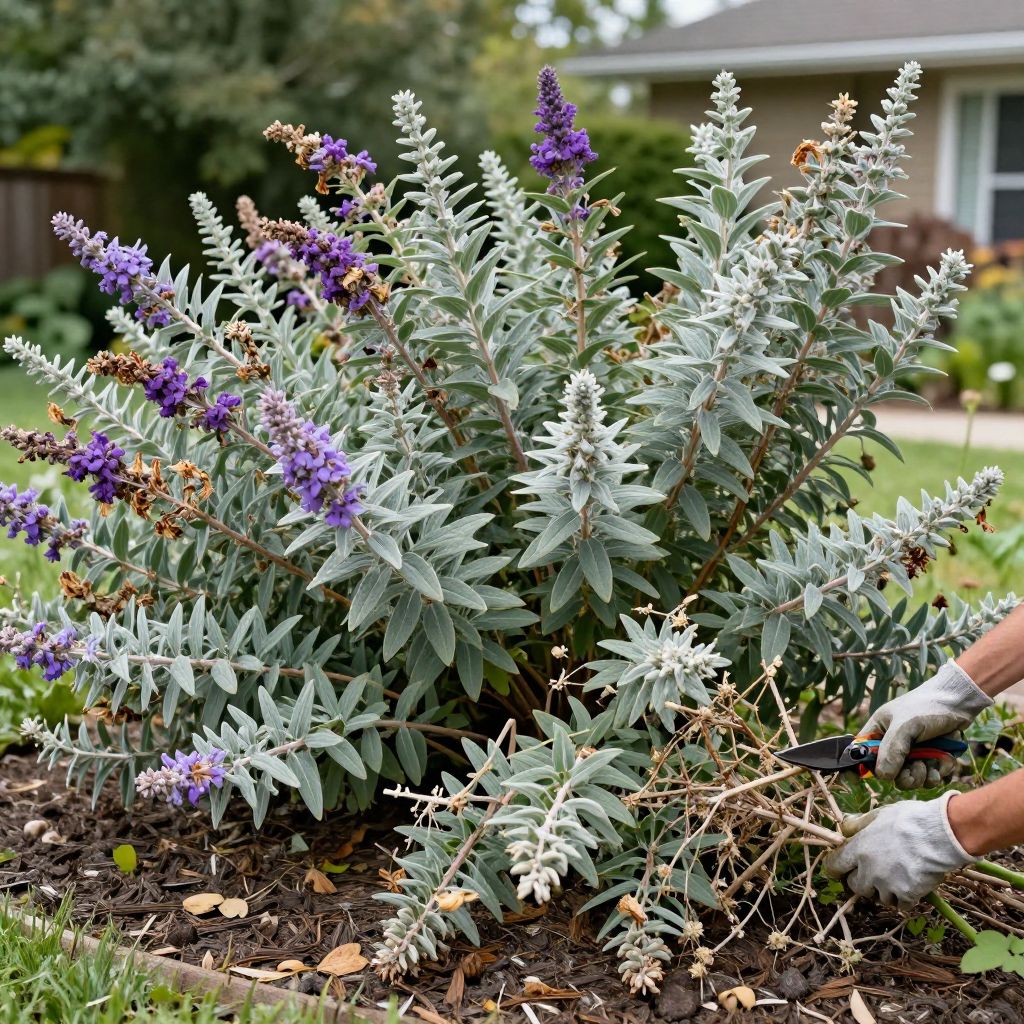
Why are butterfly bushes bad? In many gardens, butterfly bush (Buddleja spp.) can become a problem because it spreads aggressively, crowds out other plants, and may offer less ecological value than many gardeners expect. It is not always “bad” in every setting, but it does need careful management.
If you are deciding whether to plant one, or trying to control an existing shrub, the key is understanding where butterfly bush helps and where it causes trouble. With the right pruning, deadheading, and placement, you can reduce problems—but in some regions, replacing it is the better choice.
Why are butterfly bushes bad?
Butterfly bushes are often considered bad because they can self-seed heavily, escape gardens, and displace native plants in natural areas. They also grow fast, become woody and leggy, and may not support caterpillars as well as native shrubs. In some landscapes, the best solution is to remove them and choose a non-invasive native alternative.
What makes butterfly bush a problem in the garden?
Butterfly bush is popular for its long flower spikes and nectar-rich blooms, but those benefits can come with tradeoffs. The plant can be vigorous, short-lived, and difficult to keep tidy without regular maintenance.
1. It can spread by seed
One of the main reasons people ask why butterfly bushes are bad is that many types produce lots of seed. Those seeds can germinate in disturbed soil, along fences, in cracks, or at the edge of planting beds.
In some climates, butterfly bush is considered invasive or potentially invasive. That means it can move beyond your yard and compete with nearby vegetation.
2. It can crowd out better plants
Once established, butterfly bush grows quickly and can take up a lot of space. If you have a small border or mixed shrub bed, it may overshadow perennials, reduce airflow, and make maintenance harder.
Its size can also create a “planting trap”: you start with a compact young shrub, then find yourself pruning hard every year just to keep it in bounds.
3. It may not support wildlife as much as you expect
Despite the name, butterfly bush is not always the best plant for pollinator gardens. Adult butterflies may visit the flowers for nectar, but many butterfly species need native host plants for their caterpillars.
If your goal is to support a full pollinator life cycle, native shrubs and perennials usually do more than butterfly bush alone.
4. It can become woody and messy
Butterfly bush often develops long stems, sparse centers, and top-heavy growth. Without regular pruning, it can look untidy and flop open after rain or wind.
Older shrubs may also bloom less heavily if they are shaded, overgrown, or cut back at the wrong time.
When butterfly bush is especially troublesome
Butterfly bush is more likely to cause problems in warm climates, disturbed soils, and gardens near natural areas. It can also be a nuisance if you do not deadhead spent flowers or if you let seedlings establish unchecked.
- Near woodlands, meadows, or streams: seed spread is more concerning.
- In small urban gardens: the shrub may outgrow its space quickly.
- In low-maintenance landscapes: it can become leggy and hard to shape.
- In wildlife gardens: it may not provide the broad ecological value you want.
How to tell if your butterfly bush is becoming a problem
Watch for these signs that your shrub needs attention or replacement:
- Seedlings appearing around the parent plant
- Stems becoming woody and bare near the base
- Flowers shrinking or becoming fewer each season
- The shrub leaning, flopping, or opening in the center
- New shoots popping up where you do not want them
If you see several of these at once, the plant may be working against your design rather than helping it.
How to manage butterfly bush if you want to keep it
If butterfly bush is already in your garden and you want to keep it, the goal is control. Good pruning, deadheading, and monitoring for seedlings can make a big difference.
Deadhead spent blooms
Removing flower clusters before they set seed is one of the simplest ways to limit spread. Snip off faded blooms regularly during the flowering season.
This also helps the plant redirect energy into new flowers instead of seed production.
Prune at the right time
Butterfly bush usually flowers on new growth, so pruning is often done in late winter or early spring, depending on your climate. Avoid heavy pruning too late in the season if frost is still possible.
Use clean, sharp pruners and remove dead, damaged, or crossing stems first. Then thin the shrub to improve air movement and shape it without leaving it too dense.
Remove seedlings early
Pull volunteer seedlings when they are small and the soil is moist. Young plants are much easier to remove than older rooted shrubs.
Check not only the bed where the parent plant grows, but also nearby cracks, gravel edges, and mulched areas where seeds can settle.
Keep the plant healthy but not overpampered
Butterfly bush does best in full sun and well-drained soil. In overly rich soil, it may grow fast but become floppy and less attractive.
- Choose a sunny site with at least several hours of direct sun.
- Plant in soil that drains well after rain.
- Avoid constantly wet areas.
- Use compost sparingly if your soil is already fertile.
When it is better to remove butterfly bush
Sometimes the most practical answer to why are butterfly bushes bad is that they are simply the wrong plant for your site. Removal makes sense if the shrub is seeding everywhere, taking over space, or sitting in a place where invasive spread is a concern.
Steps to remove an established shrub
- Cut the stems back to make the plant easier to handle.
- Dig around the root ball, working outward to loosen the roots.
- Lift as much of the root system as possible.
- Watch the area for regrowth and pull new shoots promptly.
- Replant with a better-suited shrub or perennial.
If the plant is large, you may need to dig in stages. In stubborn cases, repeated cutting and digging may be necessary to exhaust regrowth.
What to plant instead
If you want flowers for pollinators without the same spread concerns, look for plants that are native to your region and suited to your soil and light conditions. Good alternatives vary by location, but the best choices usually share these traits:
- Non-invasive growth habit
- Reliable bloom in your climate
- Value for bees, butterflies, and caterpillars
- Fit for your soil moisture and sun exposure
Local native plant lists, extension services, and native plant nurseries are the best places to start.
Common butterfly bush care mistakes
Many problems come from a few avoidable mistakes. If your shrub looks weak or unruly, check whether one of these is happening.
- Planting in shade: flowering drops and stems stretch.
- Overwatering: roots may struggle in soggy soil.
- Skipping pruning: the shrub becomes woody and open.
- Letting seed heads mature: spread becomes harder to control.
- Choosing it for a wildlife garden without support plants: it may not meet your ecological goals.
Does butterfly bush always deserve a bad reputation?
Not necessarily. In a contained garden, with regular pruning and deadheading, butterfly bush can be a manageable ornamental shrub. It offers color, fragrance, and a long bloom period in the right conditions.
But if you garden near natural areas, want a highly wildlife-friendly planting, or prefer low-maintenance shrubs that do not self-seed, it may be a poor fit. The plant itself is not “bad” in every setting, but it is often a poor choice when spread and ecological impact matter.
Quick decision guide
Use this simple check before keeping or planting butterfly bush:
- Keep it if you can deadhead regularly, prune annually, and monitor seedlings.
- Replace it if it spreads beyond the bed or is near sensitive natural areas.
- Reposition your planting plan if the shrub is too large for the space.
- Choose a native alternative if your main goal is supporting local wildlife.
Conclusion
Butterfly bushes are considered bad mainly because they can spread, crowd out other plants, and offer less ecological value than many gardeners expect. If you already have one, deadhead it, prune it correctly, and remove seedlings early. If it keeps causing trouble, replace it with a better-suited shrub for your region and garden goals.
For more help choosing the right shrubs for your yard, you may also want to read about native flowering shrubs for pollinators and how to prune shrubs without damaging blooms.