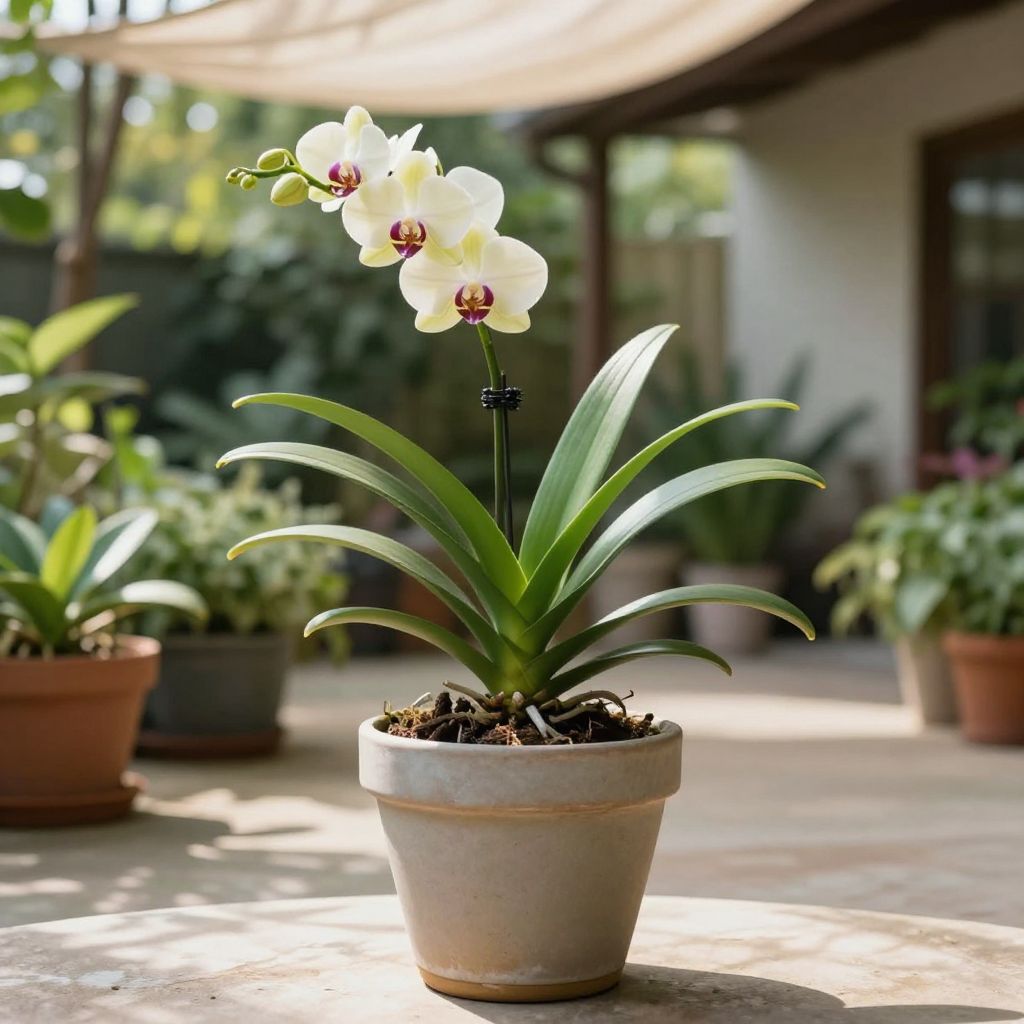
Can orchids be outside? Yes—many orchids can spend time outdoors, and some can even live outside year-round if your climate suits them. The key is matching the orchid to your local temperatures, light, humidity, and rainfall, then moving it gradually so it does not scorch, chill, or dry out.
Outdoor orchid growing is less about “planting” and more about placing the plant in the right microclimate. If you get the basics right, fresh air, bright shade, and good drainage can help orchids grow sturdier leaves, stronger roots, and better blooms.
Can orchids be outside?
Yes, many orchids can be outside as long as temperatures stay within the plant’s tolerance, the light is filtered, and the roots dry quickly after watering or rain. Tropical orchids such as Phalaenopsis, Cattleya, and Dendrobium often enjoy outdoor summer conditions, while only some orchids can remain outdoors year-round in mild climates.
Which orchids can live outdoors?
Not every orchid is suited to outdoor life. The best candidates are orchids that match your climate and can handle the light, humidity, and temperature swings outside your home.
Common orchids that may do well outside
- Phalaenopsis (moth orchid): good for warm, shaded outdoor conditions when nights are mild.
- Cattleya: likes bright light and warm temperatures with good air movement.
- Dendrobium: many types enjoy outdoor warmth and bright shade.
- Oncidium alliance orchids: often appreciate bright, airy conditions.
- Vanda: needs very bright light, warmth, and high humidity; best only in suitable climates or protected spaces.
Orchids that need extra caution outdoors
- Cool-growing orchids, if your area has hot summers or warm nights.
- Orchids in very small pots or mounts, which dry out fast in wind and sun.
- Recently repotted orchids, which may be stressed and more vulnerable outdoors.
If you are unsure of the exact orchid type, check the plant tag or ask a local orchid grower. The orchid’s genus matters more than the common word “orchid.”
What conditions do orchids need outside?
Outdoor orchids need bright but indirect light, protection from harsh midday sun, steady warmth, and excellent drainage. They also need enough humidity to keep roots from drying too fast, but not so much wetness that the potting mix stays soggy.
Light
Most orchids grow best in dappled light, bright shade, or morning sun with afternoon protection. A spot under a tree canopy, on an east-facing porch, or beneath a shade cloth often works well.
- Too much sun: yellowing leaves, bleached patches, or brown scorch marks.
- Too little light: dark green leaves, weak growth, and few flowers.
Temperature
Orchids are sensitive to cold snaps and heat spikes. Many common house orchids prefer nights that stay comfortably above cool temperatures, while some species tolerate more seasonal variation.
As a general rule, avoid leaving orchids outside when temperatures are close to freezing or when hot, dry winds are expected. If your nights are cool, bring tender orchids in before sunset.
Humidity and airflow
Orchids like humidity, but they also need moving air. Stagnant, wet conditions encourage fungal and bacterial problems. A breezy, sheltered location is often better than a damp corner with little airflow.
Rain and drainage
Outdoor orchids must never sit in water. Use pots with generous drainage holes and a coarse orchid mix rather than regular garden soil. Rain should pass through quickly, and the roots should begin drying soon after watering.
How to move orchids outside safely
Do not place an indoor orchid directly into full outdoor conditions. A gradual transition helps prevent sunburn, leaf drop, and root stress.
- Choose a sheltered spot first. Start with bright shade or very gentle morning sun.
- Acclimate slowly. Increase outdoor exposure over 7 to 14 days, depending on weather and plant condition.
- Watch the leaves. If they turn pale, bronze, or develop dry patches, reduce light immediately.
- Check watering needs more often. Wind, heat, and sun can dry pots faster than indoor air.
- Inspect for pests. Outdoor plants can pick up insects quickly, especially under leaves and in leaf joints.
If spring weather is still variable, bring the orchid out during the day and back in at night until temperatures are reliably mild.
Best ways to place orchids outdoors
Orchids can be grown outdoors in pots, hanging baskets, mounted on bark, or attached to trees in very suitable climates. The right method depends on how much moisture and care you can provide.
Pots and containers
This is the easiest option for most home gardeners. Use a pot with drainage holes and an orchid mix made from bark, charcoal, sphagnum moss, or similar airy materials.
- Choose a pot just large enough to hold the roots comfortably.
- Keep the crown above the mix to reduce rot risk.
- Elevate the pot slightly so water can drain freely.
Hanging baskets
Hanging baskets work well for orchids that need strong airflow and bright light. They dry faster than standard pots, so they suit gardeners who can water more frequently.
Mounted orchids
Mounting orchids on bark or tree fern gives very natural airflow, but it is best for humid climates or gardeners who can mist and water often. Mounted orchids dry quickly and can suffer in hot, dry weather.
Growing on trees
In warm climates, some orchids can be attached to trees outdoors. Use only rough-barked, non-shading trees that do not trap water against the orchid. Never attach orchids to trees where the trunk stays wet for long periods.
How often should you water outdoor orchids?
Watering depends on temperature, pot size, potting mix, wind, rain, and orchid type. There is no single schedule that works everywhere. Instead, water when the mix is approaching dryness but before the roots stay shriveled for long.
Use these practical checks
- Lift the pot: if it feels light, it may need water.
- Look at roots: silvery gray roots often need moisture; green roots are usually hydrated.
- Feel the mix: it should be damp, not soggy, and should not smell sour.
Water early in the day so leaves and crowns dry before evening. This helps reduce rot and fungal disease. If rain is frequent, you may need to shelter the orchid so the potting mix does not stay wet for too long.
Common watering mistakes
- Letting the pot sit in a saucer of water.
- Watering on a fixed schedule without checking the mix.
- Leaving water trapped in the crown of Phalaenopsis orchids.
- Using dense garden soil, which suffocates roots.
Do orchids need fertilizer outdoors?
Outdoor orchids may grow more actively than indoor plants, so they can benefit from regular feeding during the growing season. Use a fertilizer made for orchids or a balanced, dilute fertilizer if appropriate for your orchid type and growing medium.
Feed only when the plant is actively growing, and reduce or stop feeding during cold or low-light periods. Always follow the label directions, and avoid overfertilizing, which can burn roots and leave salt buildup in the potting mix.
Good fertilizing habits
- Apply fertilizer to moist roots, not bone-dry media.
- Flush the pot with plain water occasionally to reduce salt buildup.
- Use less fertilizer if growth slows or leaves look stressed.
Pruning, grooming, and maintenance outdoors
Outdoor orchids need regular inspection because weather and pests can change quickly. Remove dead leaves, spent flower spikes, and any rotting material promptly.
What to trim
- Dead or yellowing leaves only when they separate easily or are clearly declining.
- Spent flower spikes, if the orchid type does not rebloom from the same stem.
- Dead roots during repotting, using clean, sterilized tools.
Keep tools clean to reduce disease spread. If you cut into diseased tissue, disinfect the blade before moving to another plant.
Pests and diseases to watch for outside
Outdoor orchids are more exposed to insects, snails, and weather-related diseases than indoor plants. Regular checks make a big difference.
Common outdoor problems
- Slugs and snails: chew leaves, flowers, and tender roots.
- Scale and mealybugs: hide on stems, leaf undersides, and in crevices.
- Aphids: cluster on new growth and flower spikes.
- Fungal rot: often follows cool, wet, poorly ventilated conditions.
- Sunburn: caused by sudden exposure to strong direct light.
Simple prevention steps
- Inspect the plant weekly, especially after rain.
- Keep leaves dry overnight when possible.
- Remove fallen petals and debris from the pot surface.
- Space plants so air can move around them.
- Quarantine new orchids before placing them near established plants.
If you notice sticky residue, black sooty mold, or cottony clusters, act quickly. Early treatment is much easier than dealing with a full infestation later.
When should you bring orchids back inside?
Bring tender orchids indoors before temperatures become too cold, before a prolonged heat wave, or whenever storms and heavy rain threaten to leave the plant waterlogged. Orchids in small pots or mounts usually need protection sooner than those in larger containers.
Signs that an orchid should come inside include chilled leaves, slowed growth, blackened spots after cold exposure, or a mix that stays wet for days. If your local weather is unpredictable, it is safer to move the plant in earlier rather than later.
Can orchids stay outside year-round?
Sometimes, yes—but only in climates that match the orchid’s needs. Year-round outdoor growing is most realistic in frost-free areas with mild nights, filtered light, and enough humidity. Even then, the orchid still needs shelter from extreme sun, wind, and heavy rain.
For many gardeners, the best approach is seasonal outdoor growing: move orchids outside during warm months, then bring them in when nights cool. This often gives the plant the benefits of fresh air without risking cold damage.
Quick checklist for outdoor orchid success
- Match the orchid type to your climate.
- Use bright shade or gentle morning sun.
- Provide excellent drainage and airy mix.
- Water based on dryness, not a strict calendar.
- Protect from cold, harsh sun, and heavy storms.
- Inspect regularly for pests and rot.
Conclusion
So, can orchids be outside? Absolutely—if you give them the right light, temperature, airflow, and drainage. Start with a sheltered spot, move the plant gradually, and watch how it responds to your local weather. If you are unsure, begin with short outdoor stays and adjust based on leaf color, root health, and moisture levels.
For more practical orchid care, see the Royal Horticultural Society’s orchid growing guide and University of Minnesota Extension’s orchid care advice.