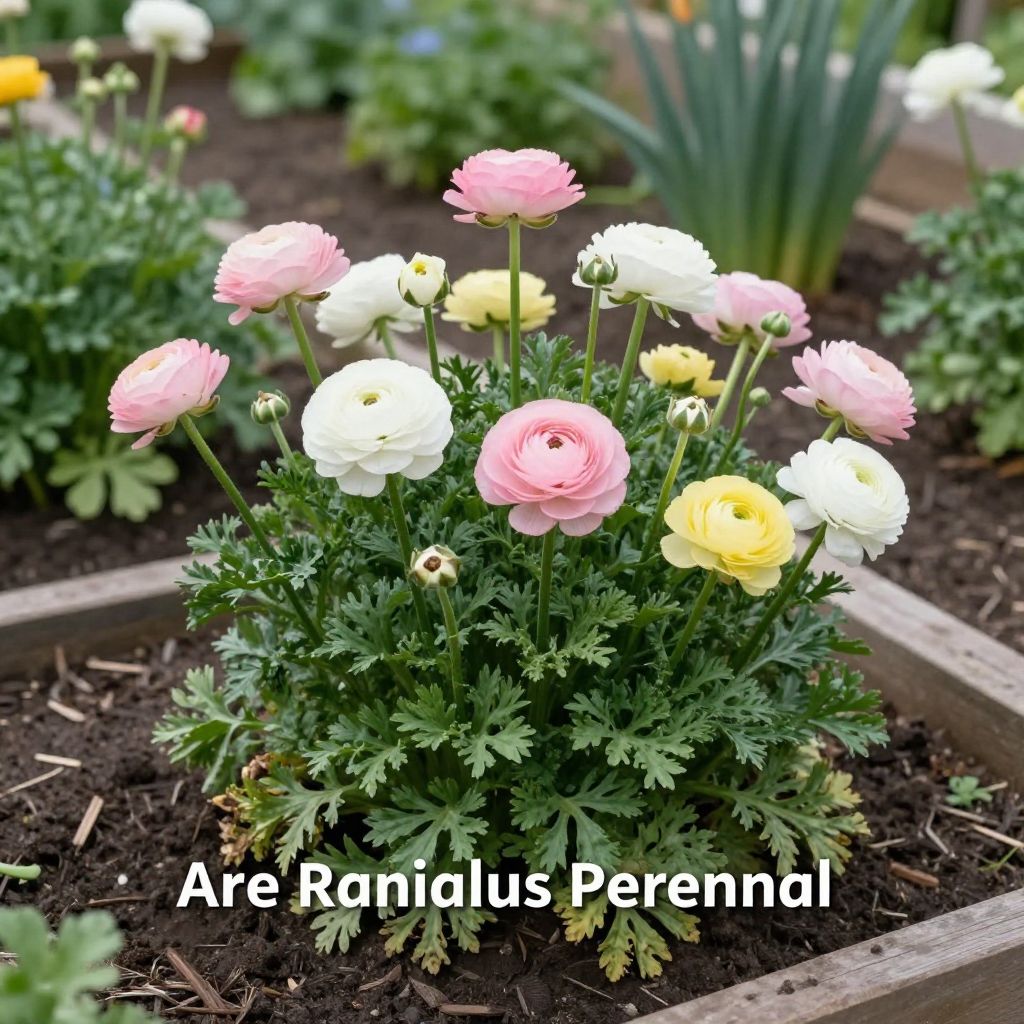
Are ranunculus perennial? The short answer is: sometimes, but not always in the way gardeners hope. Ranunculus, especially Ranunculus asiaticus (Persian buttercup), is often treated as a cool-season bulb-like plant that may return in mild climates, but it can behave as a short-lived perennial or a seasonal annual depending on your winters and summers.
If you want ranunculus to come back reliably, the key is matching the plant to your climate and giving it excellent drainage, cool growing conditions, and the right post-bloom care. In many gardens, that matters more than the label on the tag.
Are ranunculus perennial?
Ranunculus can be perennial in mild, frost-free or lightly frosted climates, but in colder regions it is usually grown as a seasonal plant and lifted or replanted each year. Ranunculus asiaticus may persist as a perennial where winters are cool and summers are not too hot, but it often declines after one season in harsh conditions.
What type of plant is ranunculus?
Most garden ranunculus sold for flowers are Persian buttercups, grown from claw-shaped tubers. They are not true bulbs, and they behave differently from many perennial border plants.
These tubers store energy for growth, bloom, and dormancy. In the right climate, they can survive and resprout. In the wrong climate, they may rot, dry out, or exhaust themselves after flowering.
Why the answer depends on climate
- Cold winters can damage the tubers if the soil freezes deeply.
- Wet winters can cause rot if drainage is poor.
- Hot summers often push ranunculus into dormancy early.
- Mild, dry summers and cool springs give the best chance of return.
How long do ranunculus live in the garden?
In many home gardens, ranunculus performs best for one strong flowering season. With good care, the tubers may survive and bloom again for a few years, but flowering often becomes less vigorous over time. That is why many gardeners replant fresh tubers each season for the most reliable display.
If you are growing them for cut flowers, think of ranunculus as a cool-season crop with perennial potential rather than a guaranteed long-term perennial.
Best growing conditions for perennial performance
To help ranunculus return, give it the conditions it naturally prefers: cool weather, bright light, and very well-drained soil. These plants dislike soggy roots more than they dislike a little cold.
Sunlight
- Choose full sun in cool climates.
- In warmer areas, morning sun with light afternoon shade can help extend bloom time.
- Too much shade leads to weak stems and fewer flowers.
Soil
- Use loose, fertile soil that drains quickly.
- A sandy loam or raised bed works well.
- Mix in compost to improve structure, but avoid heavy, water-holding soil.
Drainage
Drainage is one of the most important factors in whether ranunculus behaves like a perennial. If water sits around the tubers, they may rot before they ever sprout again.
In clay soil, grow ranunculus in raised beds, mounds, or containers with drainage holes. A gritty mix is often safer than rich, dense garden soil.
Planting ranunculus for the best chance of return
Plant tubers when the weather is cool and the soil is workable, following local seasonal conditions rather than a fixed calendar date. In general, ranunculus prefers to establish before the strongest heat arrives.
- Soak the tubers briefly if recommended by the supplier, but do not leave them waterlogged.
- Plant them with the claws pointing downward.
- Set them in well-drained soil at the depth suggested for your tuber size and local conditions.
- Water lightly after planting, then keep the soil evenly moist, not soggy.
Spacing depends on the planting style, but leaving room for air movement helps reduce disease. Crowded plants stay damp longer and are more likely to rot.
Container growing
Containers can be a smart choice if your garden soil stays wet. Use a pot with drainage holes and a free-draining potting mix. Containers also let you move plants out of heavy rain or intense heat if needed.
Be aware that pots dry out faster than ground soil, so check moisture often. The goal is steady moisture, not constant saturation.
Watering and feeding care
Ranunculus needs regular moisture during active growth, especially while it is forming buds and flowers. However, it should never sit in wet soil for long periods.
How to water correctly
- Water when the top layer of soil begins to dry.
- Water deeply enough to moisten the root zone.
- Avoid frequent shallow watering, which encourages weak growth.
- Reduce watering after flowering as the foliage begins to yellow and die back.
Feeding is optional if your soil is already fertile, but a balanced, gentle approach works best. Excess nitrogen can produce lush leaves and fewer flowers, which is not what you want from ranunculus.
Compost and fertilizer
Before planting, a modest amount of compost can improve soil texture and provide slow-release nutrients. If your soil is poor, a light application of a balanced fertilizer at planting time may help, but avoid overfeeding.
For container-grown plants, nutrients wash out more quickly, so they may need a little more support than in-ground plants. Follow the product label and keep the dose conservative.
What to do after blooming
Post-bloom care strongly affects whether ranunculus returns. Once flowers fade, let the foliage keep growing for as long as it stays green. The leaves are feeding the tuber for next season.
Deadheading and pruning
- Remove spent flowers to keep the plant tidy and encourage more blooms.
- Do not cut back healthy foliage too early.
- When leaves yellow naturally, you can trim the plant down.
Prematurely removing foliage is a common mistake. If you cut it back too soon, the tuber may not store enough energy to survive or rebloom well.
Letting the plant go dormant
Ranunculus naturally goes dormant after flowering or when temperatures rise. This is normal, not a sign that you did something wrong.
In dry, mild climates, tubers may remain in the ground if drainage is excellent. In colder or wetter areas, lifting and storing them is often safer.
Should you lift and store ranunculus tubers?
Whether you lift tubers depends on your climate and soil. If winters are cold, wet, or unpredictable, lifting is usually the best way to protect them. If your winters are mild and your soil drains very well, you may be able to leave them in place.
When to lift tubers
- After foliage has yellowed and dried back.
- Before prolonged wet weather or hard frost, if those are risks in your area.
- If the planting site tends to stay soggy in winter.
How to store them
- Lift the tubers carefully to avoid damage.
- Brush off excess soil and let them dry in a shaded, airy place.
- Store them in a cool, dry, frost-free location.
- Keep them in a breathable medium if needed, such as dry peat substitute, vermiculite, or paper packaging with airflow.
Avoid sealed plastic bags unless the tubers are fully dry and you are sure moisture will not build up. Rot is the main storage problem.
Common problems that stop ranunculus from coming back
If your ranunculus fails to return, the cause is usually environmental rather than mysterious. Start by checking the site conditions before assuming the tubers were bad.
Rot
Soft, mushy tubers are usually the result of too much water or poor drainage. This is the most common reason ranunculus does not perennialize well.
Heat stress
When spring turns warm too quickly, plants may finish early and tubers may not store enough energy for the next season.
Frost injury
Repeated freezing and thawing can damage tubers left in the ground in colder climates.
Poor flowering the second year
Even if the plant survives, weak bloom the next season can happen if the tuber was small, the foliage was removed too early, or the plant grew in too much shade.
Pests and diseases to watch for
Ranunculus is not especially difficult, but it can suffer when conditions are damp or crowded. Good airflow and clean planting habits help prevent many issues.
- Slugs and snails may chew young shoots.
- Aphids can cluster on tender growth and buds.
- Powdery mildew may appear if plants are crowded or stressed.
- Root and tuber rot is common in wet soil.
If you see pests early, remove them by hand, rinse them off, or use a suitable control method for your garden. For disease, improving airflow and drainage is often more effective than treating symptoms after the fact.
How to encourage ranunculus to act more perennial
You cannot change your climate, but you can improve the odds. The goal is to help the plant build strong tubers and avoid stress.
- Plant in cool weather, not during heat.
- Use well-drained soil or containers.
- Water consistently without overwatering.
- Deadhead spent blooms, but keep foliage until it yellows.
- Lift and store tubers if winters are harsh or wet.
- Replant fresh tubers if your climate is too extreme for reliable return.
When to treat ranunculus as an annual instead
If you garden in a region with hot summers, cold winters, or heavy winter rain, treating ranunculus as an annual is often the most practical choice. You can still enjoy excellent flowers, just with a seasonal planting plan rather than expecting long-term persistence.
This approach is especially sensible for cut-flower beds and containers, where you want predictable bloom and tidy replacement each year.
Conclusion: the practical answer for home gardeners
So, are ranunculus perennial? Yes, sometimes—but only where the climate and soil suit them. In many gardens, they are best treated as cool-season plants that may return if you protect the tubers and avoid excess moisture.
If you want the best chance of success, start with healthy tubers, plant them in cool weather, and give them sharp drainage. For more seasonal planting ideas and flower-bed planning, you may also enjoy how to grow spring-flowering bulbs and tips for improving garden soil drainage.