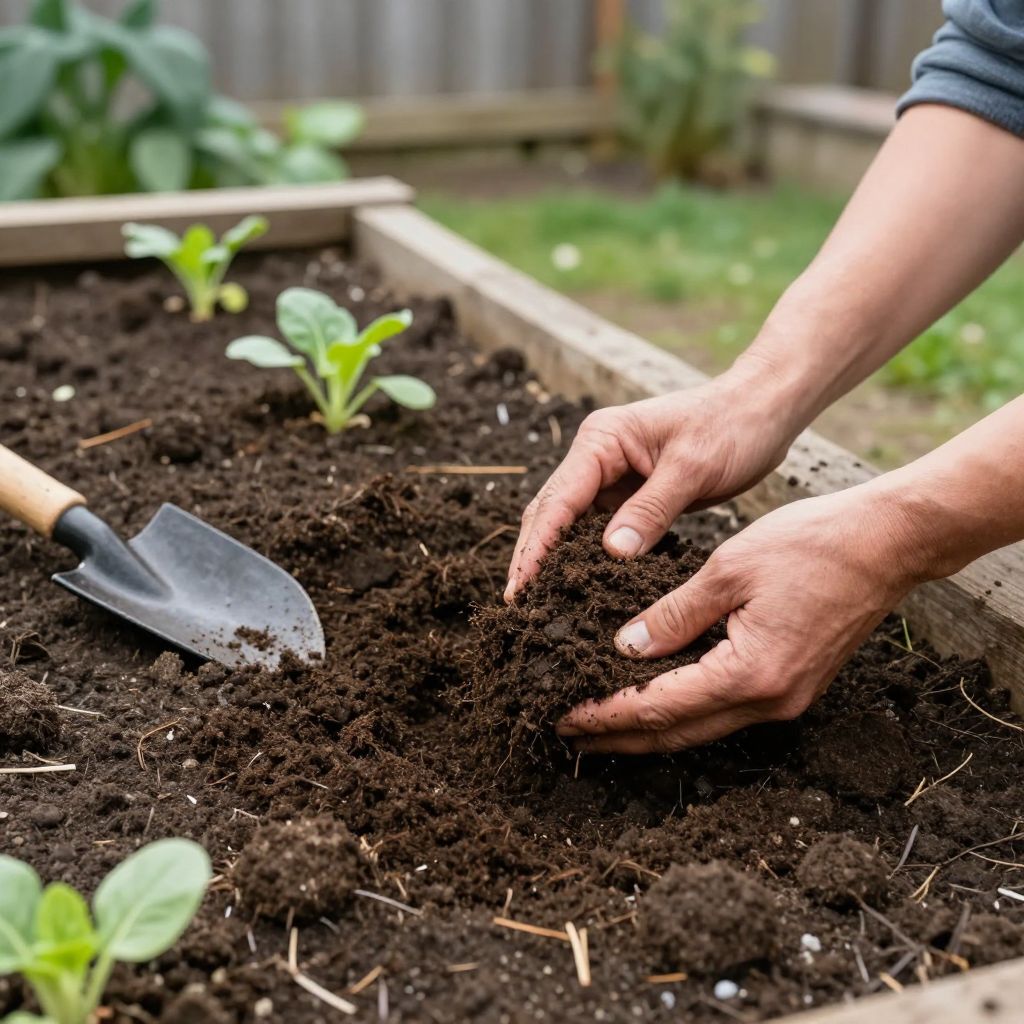
Can you use potting soil in the ground? Yes, but usually not as a full replacement for native garden soil. Potting soil is made for containers, where drainage, aeration, and moisture control matter more than long-term soil structure. In the ground, it can help in small planting holes or raised beds, but it works best when blended with existing soil and organic matter.
If you dump potting mix into a garden bed and expect it to behave like topsoil, you may run into drainage problems, uneven settling, or poor root growth. The right approach depends on your soil type, the plant you’re growing, and whether you’re improving a bed, planting a shrub, or filling a temporary hole.
Can you use potting soil in the ground?
Yes, you can use potting soil in the ground, but it should be treated as an amendment or planting aid, not a stand-alone substitute for garden soil. A small amount can improve texture around roots, especially in poor or compacted soil, but large pockets of potting mix can hold water differently than the surrounding soil and create root issues.
What potting soil is designed to do
Potting soil, often called potting mix, is formulated for containers. It is usually lighter and fluffier than in-ground soil so roots get air and excess water can drain away from pots.
Why it behaves differently outdoors
- Containers drain from the bottom, so potting mix is built to shed water quickly.
- Garden soil connects to surrounding soil layers, which changes how water moves and where roots spread.
- Potting mix can dry out faster at the surface, but stay oddly wet in a pocket if it’s surrounded by heavy clay.
- Some mixes contain added fertilizer that may be too much for young roots if used in large amounts.
This is why potting soil can be useful in the ground, but only when you understand what it was made for.
When potting soil works well in the ground
Potting soil can be helpful in a few specific situations, especially when you need to improve a small planting area or give a new plant a softer start.
Good uses
- Mixing into a small planting hole for annuals, herbs, or bedding plants
- Blending into raised beds that need more looseness and organic matter
- Starting seeds or transplants in a prepared garden bed
- Improving a small patch of poor soil around shallow-rooted plants
- Top-dressing lightly around established plants when combined with compost
For best results, use it as part of a broader soil-building plan rather than as the only material in the planting area.
When you should avoid using potting soil in the ground
There are times when potting soil causes more trouble than it solves. The biggest risk is creating a planting pocket that behaves differently from the surrounding soil.
Problem situations
- Heavy clay soil where a loose pocket can trap water like a bathtub
- Sandy soil that already drains too fast and needs more compost, not just potting mix
- Large shrubs or trees that need roots to grow outward into native soil
- Wet sites where drainage is already poor
- Long-term beds where repeated use of potting mix becomes expensive and unnecessary
If you are planting something permanent, such as a shrub, perennial, or tree, focus on improving the whole bed gradually instead of creating a single pocket of potting mix.
How to use potting soil in the ground the right way
If you decide to use potting soil outdoors, blend it with native soil and compost so the texture changes gradually. That helps roots move outward and prevents sharp differences in drainage.
Step-by-step planting method
- Dig the planting area wide enough for the root ball, not just deep enough for the roots.
- Set aside the native soil you remove.
- Mix a modest amount of potting soil with the native soil and compost.
- Use that blend to backfill around the plant, rather than filling the hole with pure potting soil.
- Water thoroughly to settle the soil and remove air pockets.
- Mulch the surface to reduce evaporation and protect the soil structure.
A simple blend often works better than a perfect formula. In many gardens, a mix of native soil plus compost is enough, with potting soil used only to lighten the texture if needed.
How much to use
There is no single ratio that fits every garden, but the safest approach is moderation. For small beds or planting holes, use potting soil as a minority ingredient rather than the bulk of the backfill. If you are improving an entire bed, it is usually better to add compost and other organic matter across the surface and work it in lightly.
Potting soil vs. garden soil vs. compost
These materials are not interchangeable, and knowing the difference helps you choose the right one.
- Potting soil: Lightweight growing medium for containers and transplants
- Garden soil: Native soil in the ground, often with clay, sand, silt, and organic matter
- Compost: Decomposed organic matter that improves soil structure and fertility
Compost is usually the best all-purpose soil improver for in-ground planting. Potting soil is useful when you need extra looseness or want to soften a small planting pocket, but compost is better for building long-term soil health.
Best plants to grow with potting soil in the ground
Potting soil is most helpful for plants that prefer evenly moist, well-drained conditions and have relatively fine roots. It is also useful for temporary plantings and seasonal displays.
Often suitable for
- Annual flowers
- Herbs
- Vegetable transplants in prepared beds
- Shallow-rooted bedding plants
- Container plants that are being transplanted into a garden bed
For larger landscape plants, use potting soil sparingly. Shrubs and perennials do better when their roots are encouraged to spread into a broad zone of improved native soil.
Common mistakes to avoid
Most problems happen when potting soil is used too generously or in the wrong place.
Watch out for these errors
- Filling the entire hole with potting mix instead of blending it with native soil
- Using a mix with too much fertilizer for sensitive roots
- Creating a planting pocket in clay soil without improving drainage around it
- Assuming potting soil will fix compacted soil on its own
- Letting the surface dry out too quickly after planting
If your soil is compacted, loosen it broadly and add organic matter. Potting soil alone will not solve poor structure in the surrounding ground.
Watering and drainage after planting
Because potting soil drains differently from garden soil, watering needs close attention during the first few weeks after planting. The goal is steady moisture without saturation.
What to check
- Feel the soil a few inches down before watering again.
- Look for water pooling after irrigation or rain.
- Check whether the root zone dries much faster than nearby soil.
- Adjust watering based on weather, soil type, and plant size.
If the area stays wet for too long, reduce watering and improve drainage. If it dries too fast, add mulch and water more deeply rather than more often.
Seasonal and climate considerations
Your local climate changes how useful potting soil will be in the ground. In hot, windy, or very dry regions, it may dry out quickly. In cool or rainy areas, it may stay too wet if used in a pocket surrounded by heavy soil.
Adapt to your conditions
- In dry climates, mulch and regular moisture checks are especially important.
- In rainy climates, avoid deep pockets of loose mix that can hold excess water.
- In cold climates, do not rely on potting soil to improve winter drainage around tender roots.
- In very sandy soil, focus on compost and water retention rather than only adding potting mix.
Local soil texture matters as much as climate. A garden with loam will behave differently from one with clay or sand, even in the same neighborhood.
How to improve in-ground soil without overusing potting mix
If your goal is healthier garden soil, think long term. Potting soil can help, but the best improvements usually come from organic matter and good bed preparation.
Better long-term options
- Add compost to the top few inches of soil regularly
- Use mulch to protect the surface and feed soil life
- Avoid walking on planting beds to reduce compaction
- Test drainage before planting shrubs or perennials
- Choose plants suited to your soil rather than forcing difficult conditions
These steps improve the whole root zone, which is more effective than creating isolated pockets of fluffy mix.
Troubleshooting common problems
If a plant struggles after being planted with potting soil in the ground, the issue is often water movement, not the plant itself.
Signs and fixes
- Yellowing leaves and slow growth: Check for soggy soil and poor drainage.
- Wilting during warm weather: The root zone may be drying out too quickly.
- Settling around the plant: Add more soil or compost to level the area, keeping the crown uncovered.
- Crusty surface: Mulch lightly and water more evenly.
- Root rot symptoms: Reduce watering and improve drainage before replanting.
If the plant is in severe decline, dig it up and inspect the roots. Healthy roots should be firm and light-colored, not mushy or dark.
Tools and materials that help
You do not need specialized equipment, but a few basic tools make the job easier and more accurate.
- Hand trowel or shovel
- Garden fork for loosening compacted soil
- Bucket or wheelbarrow for mixing soil
- Compost
- Mulch
- Watering can or hose with a gentle setting
Having these on hand helps you blend materials properly and avoid overfilling holes with the wrong mix.
Conclusion
You can use potting soil in the ground, but it works best as a helper, not a replacement for good garden soil. Blend it with native soil and compost, use it in moderation, and pay attention to drainage and watering after planting. If you are planning a new bed or transplanting a plant, start by checking your soil texture and choosing the right amendment for the job.
For more practical garden planning, you may also want to read about how to improve garden soil with compost and how to tell if your soil drains too slowly.