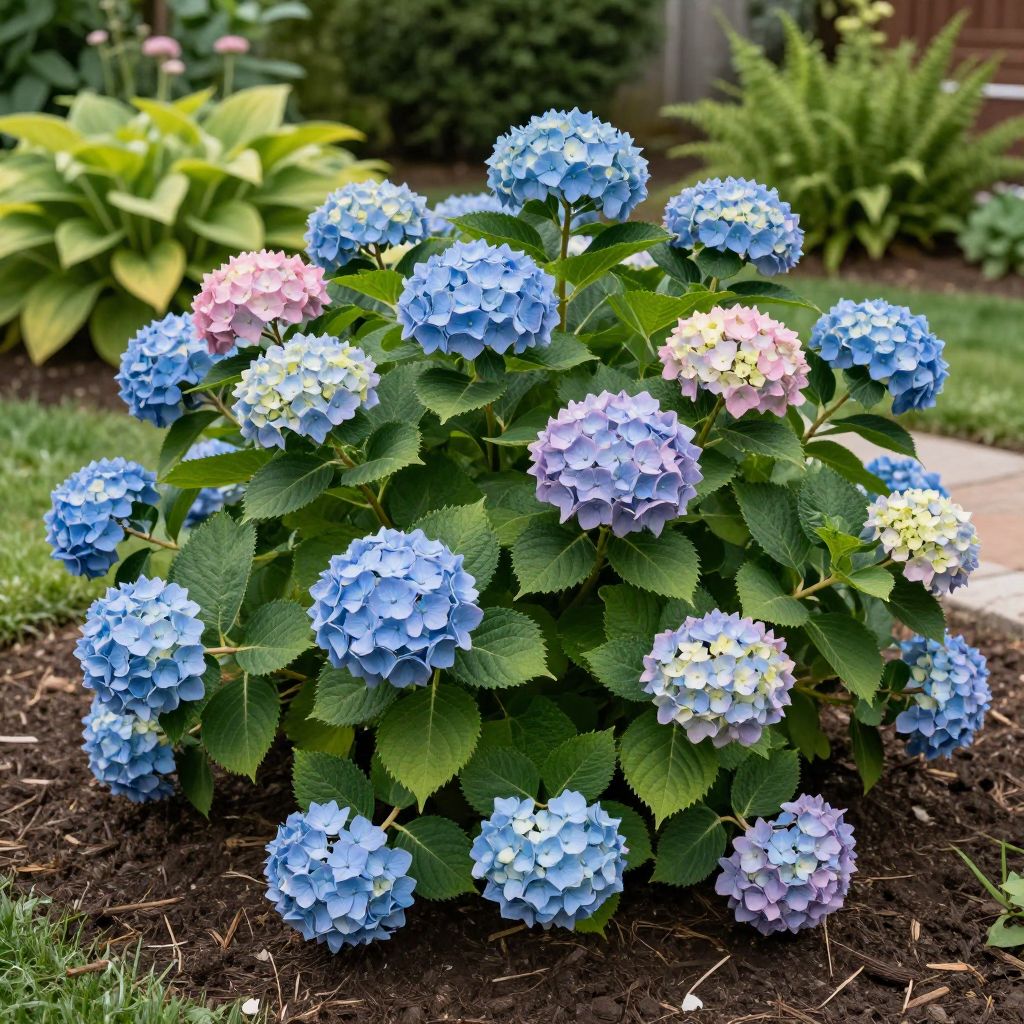
Do hydrangeas bloom all summer? Sometimes, but not always. The answer depends on the hydrangea type, your climate, how much sun it gets, and whether it blooms on old wood, new wood, or both.
If you want longer flowering, the good news is that smart pruning, steady moisture, and the right site can make a big difference. Some hydrangeas give a long season of color, while others bloom for a shorter window and then focus on growth for next year.
Do hydrangeas bloom all summer?
Some hydrangeas can bloom for much of summer, especially reblooming types and varieties that flower on new wood. Others bloom for a few weeks only. The bloom season depends on the species, pruning timing, sunlight, and weather, so “all summer” is possible in the right conditions, but not guaranteed for every hydrangea.
Which hydrangeas bloom the longest?
Not all hydrangeas behave the same way. Knowing your plant type is the fastest way to understand whether you can expect a long bloom season or just one main flush.
Hydrangea types and bloom habits
- Bigleaf hydrangea (Hydrangea macrophylla): Many mophead and lacecap types bloom in early to midsummer. Some reblooming cultivars can flower again later in the season.
- Panicle hydrangea (Hydrangea paniculata): Often blooms from midsummer into fall and is one of the best choices for a long display.
- Smooth hydrangea (Hydrangea arborescens): Usually blooms in early to midsummer, with some cultivars offering a long-lasting show.
- Oakleaf hydrangea (Hydrangea quercifolia): Blooms in early summer and is valued for foliage and fall color as much as flowers.
- Climbing hydrangea (Hydrangea anomala subsp. petiolaris): Blooms once, usually in late spring to early summer, not all summer.
If your goal is flowers for as long as possible, panicle hydrangeas are often the easiest choice. Reblooming bigleaf hydrangeas can also extend the season, but they are more sensitive to pruning and winter damage.
Why some hydrangeas stop blooming early
When hydrangeas finish early, the problem is usually cultural rather than mysterious. The plant may be getting too much shade, too much nitrogen, the wrong pruning, or winter injury to flower buds.
Common reasons for short bloom time
- Old-wood pruning: If you cut off stems that already held next year’s buds, you remove the flower show before it starts.
- Too much shade: Hydrangeas can grow in part shade, but deep shade often means fewer flowers.
- Dry soil: Stress from drought can shorten bloom time and reduce flower size.
- Excess fertilizer: Too much nitrogen encourages leafy growth instead of flowers.
- Cold damage: Winter or late spring cold can kill buds on types that bloom on old wood.
In many gardens, the plant is healthy but simply not suited to the site. A hydrangea that gets morning sun, afternoon shade, and even moisture usually flowers more reliably than one planted in deep shade or hot, dry soil.
How to encourage hydrangeas to bloom longer
You cannot force every hydrangea to bloom nonstop, but you can support a longer and more reliable flowering season. Focus on light, moisture, soil health, and correct pruning.
1. Give the right amount of sun
Most hydrangeas do best with morning sun and afternoon shade, especially in warmer climates. In cooler regions, some types can take more sun, while in hot climates they may need extra protection from intense afternoon light.
If the leaves wilt by midday and the flowers fade quickly, the plant may be getting too much heat. If it grows lush but rarely blooms, it may be too shaded.
2. Keep soil evenly moist, not soggy
Hydrangeas have shallow roots and dislike drying out. Water deeply when the top few inches of soil begin to dry, then let the soil drain well.
- Use a 2- to 3-inch layer of mulch to help hold moisture.
- Water at the base of the plant to reduce leaf disease.
- In sandy soil, expect to water more often than in clay soil.
Dry spells can shorten flowering, especially when buds are forming and blooms are opening. Consistent moisture helps flowers last longer and look fuller.
3. Feed lightly and avoid excess nitrogen
Hydrangeas usually do not need heavy feeding. Too much fertilizer can produce lots of leaves and fewer flowers, especially if the product is high in nitrogen.
Use compost to improve soil structure, or choose a balanced fertilizer if your soil test shows a need. If the plant is already growing strongly but not blooming well, reducing fertilizer is often wiser than adding more.
4. Prune at the right time
Pruning is one of the biggest reasons hydrangeas fail to bloom as expected. The correct timing depends on the type.
- Bigleaf, oakleaf, and climbing hydrangeas: These often bloom on old wood, so heavy pruning can remove flower buds. Prune only after flowering, and only as needed.
- Panicle and smooth hydrangeas: These bloom on new wood, so they can be pruned in late winter or early spring before growth starts.
If you are unsure which hydrangea you have, avoid major pruning until you identify it. A cautious approach is better than cutting off a season of flowers.
Planting conditions that support longer bloom
Strong flowering starts with a good planting site. A hydrangea that is planted well will usually bloom more consistently and recover faster from heat, drought, or pruning mistakes.
Best soil and drainage
Hydrangeas prefer soil that is rich in organic matter, holds moisture, and drains well. Heavy clay can work if it is improved with compost and not kept waterlogged. Very sandy soil may need more organic matter and more frequent watering.
Before planting, loosen the soil and mix in compost if needed. Avoid burying the crown too deeply, because poor planting depth can stress the plant and reduce flowering.
Spacing and airflow
Give each plant enough room for air to move through the canopy. Good airflow helps reduce leaf spot and mildew, which can weaken the plant and shorten the display.
Overcrowded hydrangeas often bloom less well because they compete for light, water, and nutrients.
Can hydrangeas rebloom all summer?
Some can, but only certain varieties are bred to rebloom. These plants may flower on both old and new growth, giving you an early flush and then additional blooms later in summer.
Even reblooming hydrangeas still need the right care. If they are stressed by drought, shade, or improper pruning, the second round of flowers may be sparse or delayed.
What helps reblooming types perform well
- Protect buds from late frost when possible.
- Remove spent flowers only if the plant benefits from it; do not cut back deeply unless the variety calls for it.
- Keep the plant evenly watered during bud set and bloom.
- Make sure the plant gets enough light to support repeat flowering.
In many gardens, reblooming hydrangeas do not flower continuously without pause, but they can provide a much longer season than old-fashioned once-blooming types.
Common problems that reduce flowering
If your hydrangea blooms poorly, the issue is often visible in the plant’s leaves, stems, or growth pattern. A quick inspection can point you toward the fix.
Pests and diseases
- Aphids: Can distort new growth and weaken buds, especially on tender shoots.
- Spider mites: More common in hot, dry conditions; they can cause stippled leaves and stress the plant.
- Powdery mildew: Often appears in humid or crowded plantings and can reduce vigor.
- Leaf spot: Usually cosmetic at first, but repeated infection can weaken the plant over time.
Most of these problems are managed best by improving airflow, watering at the soil line, removing badly affected leaves, and avoiding overhead watering in the evening.
Weather stress
Late frosts, heat waves, and wind can all affect bloom duration. Old-wood bloomers are especially vulnerable to spring cold because their flower buds may already be set on the stems.
If your hydrangea buds blacken after a cold snap, that season’s flowers may be reduced or lost. In colder climates, choose varieties known to be more reliable in your area and avoid pruning too late in the season.
How to keep hydrangea flowers looking good longer
Once blooms open, a few simple habits can extend the display. The goal is to reduce stress so the flowers age slowly and the plant keeps producing new growth.
- Water deeply during dry spells, especially when buds are forming and flowers are expanding.
- Mulch around the root zone to moderate soil temperature and conserve moisture.
- Deadhead carefully only if it suits the type and your pruning plan.
- Protect from harsh afternoon sun in hot climates.
- Avoid heavy feeding once flowering has started unless a soil test indicates a deficiency.
For cut flowers, harvest in the cool part of the day and place stems in water right away. Cut hydrangeas generally last longer indoors when they are fully hydrated and handled gently.
Choosing the right hydrangea for a long bloom season
If you are planting new hydrangeas and want the longest possible flowering window, choose with bloom habit in mind rather than color alone. This is the easiest way to avoid disappointment later.
- Choose panicle hydrangeas if you want a long summer-to-fall display.
- Choose reblooming bigleaf hydrangeas if you want repeat flowering and are willing to manage pruning carefully.
- Choose smooth hydrangeas if you want dependable summer bloom and simpler pruning.
- Choose oakleaf hydrangeas if you value early summer flowers plus attractive foliage and seasonal interest.
Always match the plant to your climate. A hydrangea that performs beautifully in one region may need extra protection or different pruning in another.
Conclusion: the short answer and your next step
So, do hydrangeas bloom all summer? Some do, especially panicle hydrangeas and reblooming varieties, but many bloom for a shorter period. Your best results come from choosing the right type, giving it morning sun, steady moisture, and pruning it correctly for its bloom habit.
If you are unsure what kind you have, identify it before pruning this season. That one step can make the difference between a brief flush of flowers and a much longer summer display. For more help with shrub care, you may also want to read about how to prune hydrangeas and best shrubs for part shade.