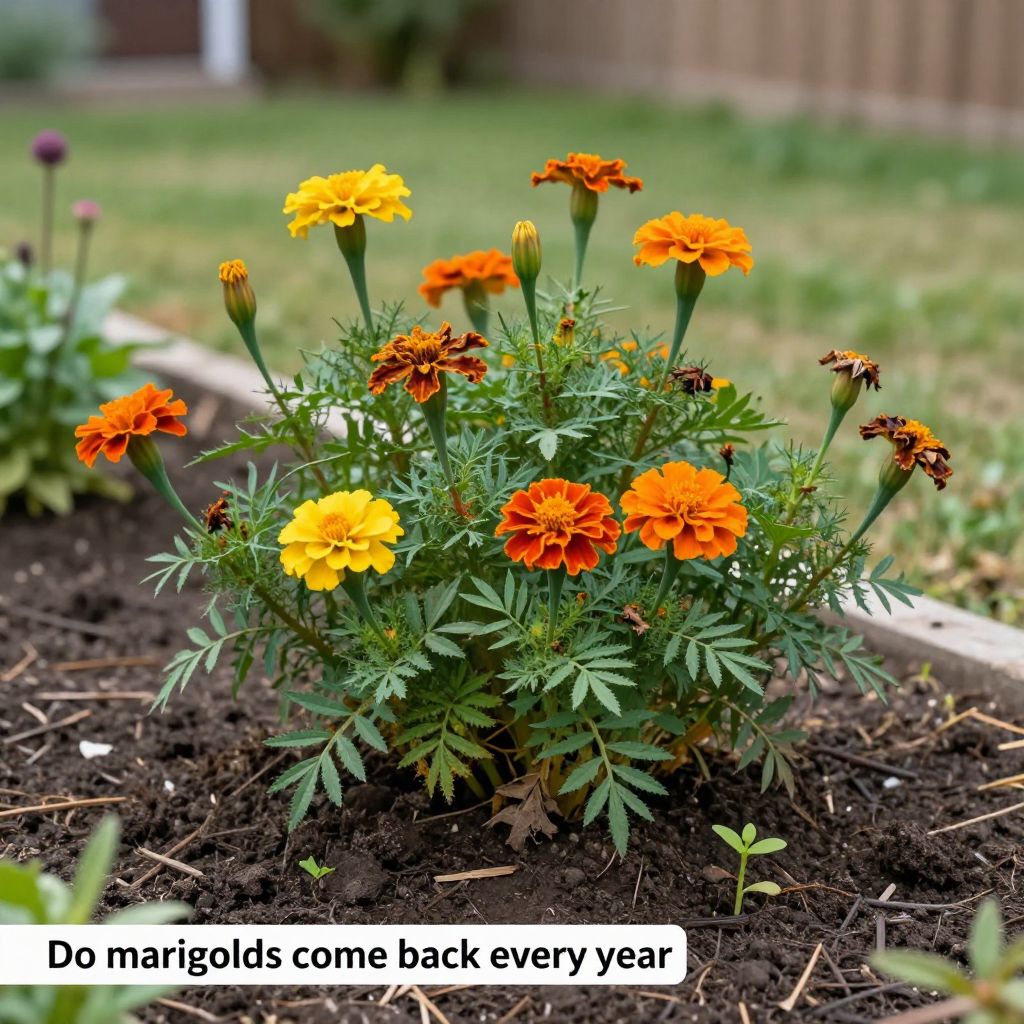
Do marigolds come back every year? The short answer is: usually no, not in the same way perennials do. Most garden marigolds are grown as annuals, meaning they complete their life cycle in one season, though they often self-seed if conditions are right.
That said, the answer depends on the type of marigold, your climate, and whether you’re growing them outdoors or in a protected spot. If you want reliable blooms year after year, it helps to know which marigolds you have and how to overwinter or reseed them.
Do marigolds come back every year?
Most marigolds do not come back every year as true perennials. Common bedding marigolds, including French marigolds (Tagetes patula) and African marigolds (Tagetes erecta), are usually planted as annuals and die after frost or the end of the growing season. In warm climates, they may keep blooming longer, and some will self-seed for next year.
What kind of marigold are you growing?
Knowing the type matters because “marigold” can refer to different plants with different habits. The most common garden marigolds are Tagetes species, but calendula is also sometimes called pot marigold and behaves differently.
Common garden marigolds
- French marigold (Tagetes patula): compact, widely used in borders and containers.
- African marigold (Tagetes erecta): taller plants with larger blooms.
- Signet marigold (Tagetes tenuifolia): smaller flowers, often used in edging and edible flower gardens.
Pot marigold is different
Calendula (Calendula officinalis) is often called pot marigold, but it is not a true Tagetes marigold. In mild climates, calendula may self-seed and appear to “come back,” but it is still generally treated as a cool-season annual or short-lived plant.
Why marigolds usually don’t return after winter
Marigolds are tender plants that dislike frost. Once temperatures drop below freezing, the foliage and roots are usually killed outdoors. Even in frost-free areas, older plants often decline after heavy flowering, heat stress, or disease pressure, so they are commonly replanted each year for the best display.
What can make them seem perennial?
- Self-seeding: dropped seeds sprout the following season.
- Mild winters: plants may survive longer in frost-free regions.
- Greenhouse or indoor protection: potted marigolds can sometimes be kept alive longer.
How to get marigolds back next year
If you want marigolds every year, the most reliable methods are saving seed or encouraging self-seeding. You can also grow them in containers and bring them under cover, but that works best for short-term overwintering rather than long-lived plants.
1. Let some flowers go to seed
After blooms fade, leave a few flowers on the plant until the heads dry and turn brown. The seeds are usually narrow, dark, and easy to collect once the flower head is fully dry.
- Choose healthy, true-to-type flowers from your best plants.
- Let the flower heads dry on the plant in dry weather.
- Snip off the heads and finish drying them indoors if needed.
- Break apart the dried head and store the seeds in a cool, dry place.
2. Allow self-seeding in the garden
If you prefer a natural look, leave a few spent blooms in place at the end of the season. Seeds may drop into the soil and sprout when conditions improve. This works best in beds that are not heavily mulched or disturbed.
3. Start fresh from seed each year
For many gardeners, this is the easiest option. Marigolds grow quickly from seed, so you can sow them indoors or outdoors depending on your climate and last frost date. Fresh seed often gives the most dependable results.
Best growing conditions for healthy marigolds
Healthy marigolds are more likely to flower heavily, set seed, and finish the season strong. They do best in full sun, warm weather, and well-drained soil. Poor drainage and too much shade are common reasons plants become weak or stop blooming.
Sunlight
Give marigolds at least 6 hours of direct sun daily. In very hot climates, a little afternoon shade can help, but too much shade usually leads to fewer flowers and leggier growth.
Soil and drainage
Marigolds prefer moderately fertile soil that drains well. They do not like soggy roots. If your soil is heavy clay, mix in compost to improve structure and drainage, or grow them in raised beds or containers.
Watering
Water deeply when the top inch or two of soil feels dry, especially while plants are young or during hot spells. Avoid frequent shallow watering, which encourages weak roots. Water at the base of the plant when possible to keep foliage drier.
How to keep marigolds blooming longer
Marigolds bloom best when you remove spent flowers regularly. Deadheading encourages the plant to produce more buds instead of putting energy into seed production too early.
Deadheading steps
- Look for faded blooms that are starting to dry.
- Pinch or snip the flower stem back to the next set of leaves.
- Repeat every few days during peak bloom.
Important: If you want seed, stop deadheading a few flowers near the end of the season so those heads can mature.
Pinching young plants
When marigolds are young, pinching back the growing tips can help them branch and produce bushier plants. This is especially useful for tall or leggy seedlings. Use clean fingers or small snips to remove the top inch or so of growth.
Can you overwinter marigolds indoors?
You can try overwintering marigolds indoors if you want to keep a favorite plant alive, but it is not always worth the effort. They need bright light, good airflow, and careful watering to avoid decline indoors.
Container-grown plants are easiest
Potted marigolds are easier to move indoors than in-ground plants. Before frost, bring the pot inside and place it in the brightest window you have or under a grow light.
Indoor care tips
- Cut back any weak or leggy growth.
- Check for aphids, whiteflies, and spider mites before bringing plants inside.
- Water sparingly, letting the surface dry slightly between waterings.
- Keep the plant in bright light and away from cold drafts.
Even with good care, indoor marigolds may not bloom as heavily as they do outside. Many gardeners use overwintering only as a way to save a special plant or collect more seed.
Common problems that stop marigolds from returning
If your marigolds vanished after one season, the cause is usually normal cold weather, but a few other issues can shorten their life or prevent reseeding.
Frost damage
A sudden frost can kill marigolds overnight. If you want to extend the season, cover plants on cold nights or move containers to shelter, but remember that this only delays the inevitable in cold climates.
Poor drainage
Wet soil can lead to root rot and weak plants. If the roots stay soggy, marigolds may yellow, wilt, or collapse before they can set seed.
Too much shade
Marigolds in shade often grow thin and bloom poorly. Without enough sun, they may not produce enough energy to flower well or make viable seed.
Pests and diseases
- Aphids: cluster on new growth and flower buds; rinse off with water or use insecticidal soap if needed.
- Spider mites: more common in hot, dry conditions; watch for stippled leaves and fine webbing.
- Powdery mildew: can appear in crowded, humid plantings; improve spacing and airflow.
- Root problems: often linked to overwatering or heavy soil.
How to make marigolds reliable in your garden
If your goal is a repeat display every year, plan for marigolds as annuals rather than perennials. That way, you can enjoy them without disappointment and still keep them in your garden from season to season.
Best practical approach
- Grow marigolds in a sunny spot with good drainage.
- Deadhead regularly for longer bloom.
- Save seed from the healthiest plants.
- Allow a few flowers to self-seed if you want volunteers next year.
- Replant each spring for the most dependable color.
What to avoid
- Do not expect outdoor marigolds to survive hard frost.
- Do not overwater them in dense soil.
- Do not place them in deep shade and expect strong bloom.
- Do not deadhead every flower if you want seed for next year.
Conclusion
So, do marigolds come back every year? Usually not as living plants, but they can return through self-seeding or by replanting saved seed. For the best results, grow them in full sun, keep the soil well drained, and leave a few blooms to mature at the end of the season.
If you want to keep learning about easy, dependable flowers for beds and containers, look for more guides on annual flower care, seed saving, and seasonal garden cleanup.