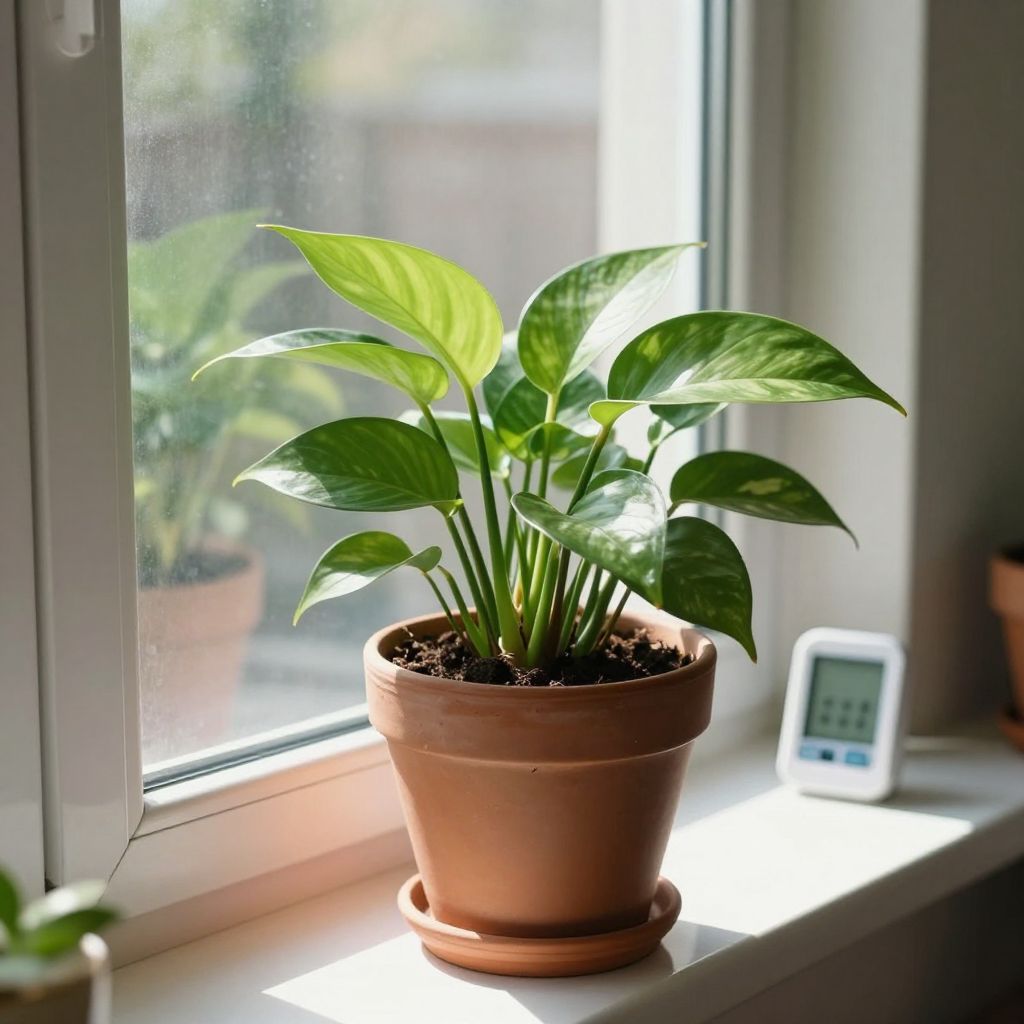
Do plants need UV light, or is regular sunlight enough? If you grow houseplants, seedlings, or greenhouse crops, this question matters because light quality affects growth, color, and overall plant health. The short answer is that most plants can grow well without extra UV, but some benefit from small amounts under the right conditions.
UV is only one part of the light spectrum. For most home gardeners, the bigger priorities are bright light, proper duration, and avoiding heat stress, while UV becomes more relevant for compact growth, pigmentation, and certain indoor setups.
Do plants need UV light?
Most plants do not need added UV light to survive or grow well. They need enough usable light for photosynthesis, especially blue and red wavelengths, plus the right intensity and day length. Small amounts of UV can influence leaf color, thickness, and natural defenses, but too much can damage foliage and slow growth.
What UV light actually does for plants
UV light sits outside the visible spectrum and is usually divided into UVA, UVB, and UVC. In gardening, UVA and a little UVB are the only parts that may affect plants in a useful way. UVC is harmful and is not something you want around plants or people.
Possible benefits of UV exposure
- Stronger pigmentation in some ornamental and edible plants, especially those with red, purple, or blue tones.
- Thicker leaves or a more compact habit in some species when light is otherwise adequate.
- Natural stress responses that can increase certain protective compounds.
What UV does not replace
- It does not replace bright visible light for photosynthesis.
- It does not fix poor watering, weak soil, or low humidity problems.
- It cannot rescue a plant that is already stretched, rootbound, or pest-stressed.
When plants benefit from UV light
UV is most useful when a plant already has excellent light, good nutrition, and healthy roots. In that situation, a modest amount of UV may help shape growth or improve color. If the plant is struggling in low light, adding UV usually is not the answer.
Indoor plants
Most houseplants do fine with bright indirect light or a quality grow light that provides enough visible light. Many common indoor plants, such as pothos, peace lily, and snake plant, do not need extra UV to stay healthy.
Some growers use UV with succulents, cacti, and flowering indoor plants to encourage tighter growth or richer color. Even then, the plant still needs strong visible light first.
Seedlings and young plants
Seedlings usually need consistent, close, bright light to prevent legginess. UV is not the main concern at this stage. If seedlings stretch, focus on light intensity, lamp distance, and airflow before thinking about UV.
Greenhouses and sunrooms
Plants in greenhouses often receive natural UV through glass or polycarbonate, though the amount varies by material. This is one reason greenhouse-grown plants may look different from indoor-grown plants under artificial light alone.
When too much UV becomes a problem
Too much UV can scorch leaves, bleach color, and reduce growth. Tender foliage is especially vulnerable, and damage may appear as bronzing, curling, dry patches, or a washed-out look. If a plant is already heat-stressed or underwatered, UV stress becomes more likely.
Common signs of UV stress
- Leaves look bleached, pale, or faded.
- Edges become dry, crisp, or curled.
- New growth stays small or distorted.
- Plants develop a bronzed or roughened surface.
- Growth slows even though watering seems adequate.
Plants that may be more sensitive
Many shade-loving houseplants, ferns, and soft-leaved tropicals are less tolerant of intense light and direct UV exposure. Young transplants, recently repotted plants, and stressed specimens are also more likely to show damage.
How to tell whether your plants need more light, not more UV
In home gardening, low visible light is a much more common issue than lack of UV. If a plant is stretching, leaning, producing pale leaves, or flowering poorly, it usually needs brighter light rather than a UV supplement.
Clues that light is too low
- Stems grow long and weak between leaves.
- Leaves become smaller or farther apart.
- Flowering slows or stops.
- Variegated plants lose contrast.
- The plant leans strongly toward a window.
Better fixes than UV alone
- Move the plant to a brighter window.
- Rotate the pot weekly so growth stays even.
- Use a grow light with adequate intensity and duration.
- Trim back leggy growth to encourage branching.
How to give plants safe UV exposure
If you want to experiment with UV, start slowly and keep the plant’s overall light needs in mind. The safest approach is to increase exposure gradually while watching for leaf stress. Never place a plant under a UV source without knowing what type of lamp it is and how much exposure it produces.
Practical safety steps
- Use a lamp designed for horticulture, not a random UV bulb.
- Follow the manufacturer’s distance and timing guidance.
- Begin with short exposure periods and increase only if the plant stays healthy.
- Keep the foliage cool; heat plus UV is more damaging than UV alone.
- Wear eye protection if you are working around strong UV fixtures.
Good habits for indoor growers
Pair any UV source with a full-spectrum grow light or strong natural light. UV works best as a small addition, not the main light source. Keep leaves clean, because dust can reduce light absorption and make it harder to judge plant response.
Outdoor plants and UV from the sun
Outdoor plants already receive UV naturally, and most garden plants are adapted to that exposure. The real challenge outdoors is matching the plant to the site. Sun-loving vegetables and herbs usually handle full sun well, while woodland plants prefer dappled shade or morning sun only.
How to reduce UV-related stress outdoors
- Acclimate transplants gradually before moving them into full sun.
- Use shade cloth during heat waves if leaves are scorching.
- Water deeply so roots can support foliage during hot, bright weather.
- Mulch to moderate soil temperature and moisture loss.
Newly planted annuals, perennials, and shrubs often need a transition period. Sudden exposure to intense sun can cause leaf burn that looks like UV damage, but the underlying issue is usually abrupt light change combined with heat and water stress.
Best growing conditions that matter more than UV
If you want healthier plants, focus first on the basics. UV is secondary compared with light intensity, soil quality, drainage, and watering consistency. These fundamentals do far more for growth than any supplemental UV setup.
Light
Give each plant the light it naturally prefers. A sun-loving tomato needs a very different position than a fern or calathea. Read the plant’s light preference before changing anything else.
Soil and drainage
Healthy roots support healthy leaves. Use a well-draining potting mix for containers and improve garden soil with compost where needed. Poor drainage can make plants weak and more sensitive to bright light stress.
Watering
Water when the plant needs it, not on a rigid schedule. Let the top layer of soil dry a bit for many houseplants, but keep moisture more even for vegetables and actively growing annuals. Match watering to pot size, weather, and root growth.
Nutrition
Balanced feeding helps plants use light effectively. Excess nitrogen can create soft, lush growth that is more easily damaged by strong light, while nutrient deficiency can make leaves pale and weak.
Common mistakes gardeners make with UV light
Many problems blamed on UV are really caused by too much heat, too little water, or poor acclimation. Avoid these common mistakes if you are experimenting with light indoors or outdoors.
- Adding UV to a weak setup instead of improving the main light source.
- Exposing plants too quickly after moving them from shade to sun.
- Using a UV lamp too close to the canopy.
- Ignoring leaf response and leaving the plant under stress too long.
- Forgetting that different species have different light tolerance.
Troubleshooting plant damage that looks like UV burn
If leaves are damaged, do not assume UV is the cause. Check the whole growing environment. A careful diagnosis helps you fix the real issue instead of changing the wrong thing.
Ask these questions
- Did the plant recently move to a brighter spot?
- Has the weather turned hotter or drier?
- Is the pot drying out faster than before?
- Are roots crowded or circling inside the container?
- Has fertilizer been increased recently?
What to do next
- Move the plant to gentler light for a few days if leaves are clearly stressed.
- Check soil moisture and drainage before watering again.
- Remove only fully dead leaves; leave partly green leaves in place if they still help the plant.
- Reintroduce brighter light gradually once the plant stabilizes.
Bottom line for home gardeners
So, do plants need UV light? Usually, no, not as a separate requirement. Most plants need strong, appropriate light, healthy roots, and steady care far more than they need extra UV. If you want to use UV, treat it as a small, optional tool for specific plants and only after the basics are right.
For more practical plant care guidance, explore related gardening reading on light, watering, and indoor growing so you can match each plant to the conditions it actually prefers.