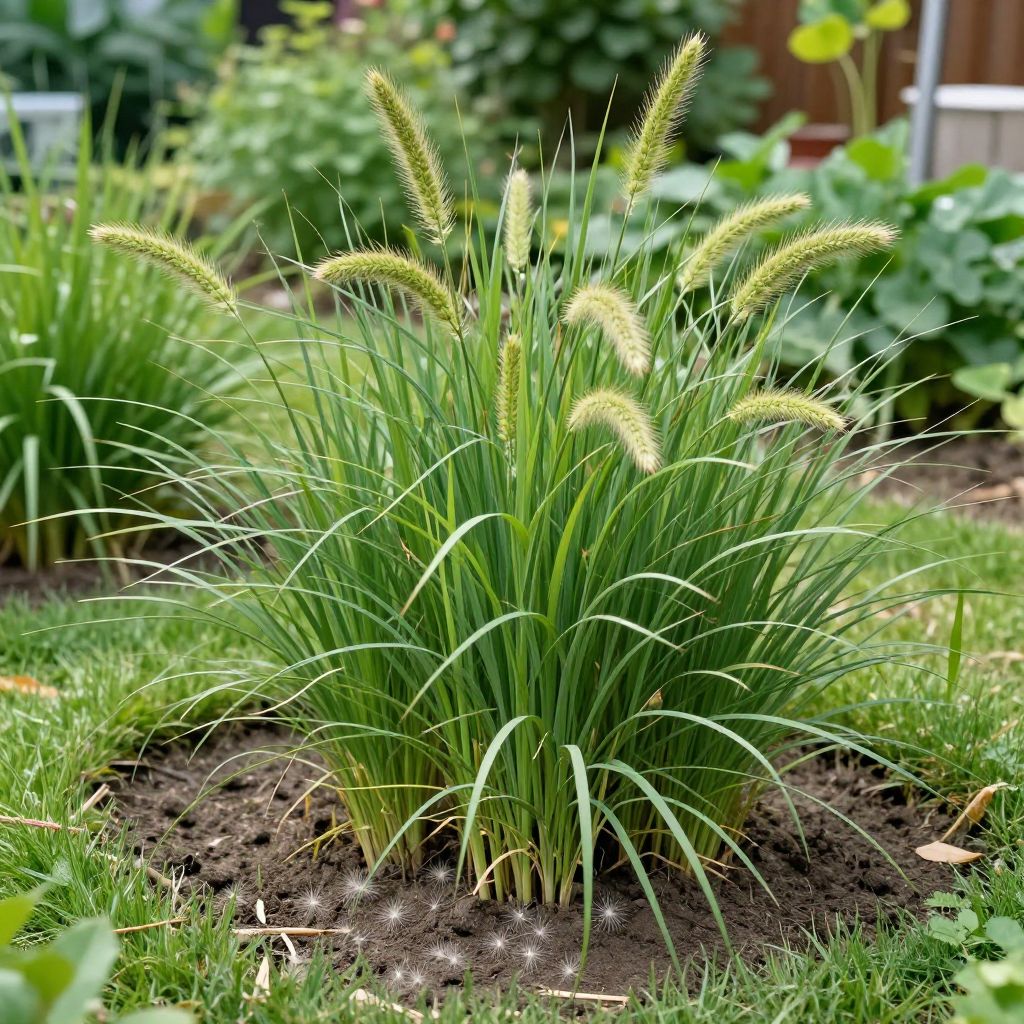
Where does grass seed come from? Most grass seed is harvested from mature grass plants that are grown specifically for seed production, then cut, cleaned, and packaged for lawns, meadows, sports fields, or erosion control. The seed may come from cool-season grasses such as fescues and ryegrasses, or warm-season grasses such as bermudagrass, depending on the species.
If you’re choosing seed for your yard, it helps to know how it’s produced and what conditions it needs to grow well. That knowledge makes it easier to buy the right mix, sow it at the right time, and avoid common problems like poor germination, weeds, or weak establishment.
Where does grass seed come from?
Grass seed comes from the flowering heads of grass plants grown to maturity in seed fields. After pollination, the plants form seeds that are harvested, dried, cleaned, and sorted before sale. The best seed usually comes from fields managed for purity, weed control, and good growing conditions, not from random lawn clippings.
How grass seed is produced
Grass is a flowering plant, even though its blooms are small and easy to miss. When a grass plant reaches maturity, it produces seed heads that release pollen and form viable seed if pollination is successful.
From field to bag
- Seed crops are planted in dedicated fields. These fields are managed for one grass species or a controlled mix.
- The plants grow until they flower and set seed.
- Farmers harvest the seed heads when the seed is mature but before it shatters or drops.
- The harvested material is dried to reduce moisture.
- Machines remove chaff, stems, weed seeds, and other debris.
- The cleaned seed is graded, tested, and packaged for sale.
This process matters because grass seed quality depends on more than the species name. Purity, germination rate, and weed contamination all affect how well your lawn or planting area will establish.
Why seed quality varies
- Germination rate tells you how many seeds are likely to sprout.
- Purity shows how much of the bag is the grass you actually want.
- Weed seed content affects whether you introduce unwanted plants.
- Seed age and storage influence vigor, especially if seed has been kept hot or damp.
Best locations for growing grass seed crops
Grass seed is grown in places with the right climate for the species, enough sunlight, and dry weather during harvest. The best location is not the same for every grass. Cool-season grasses and warm-season grasses are produced in different regions because they thrive under different temperatures and day lengths.
Cool-season grass seed regions
Cool-season grasses such as perennial ryegrass, Kentucky bluegrass, tall fescue, and fine fescues are commonly grown in regions with mild summers and cooler nights. These grasses generally perform best where spring and fall growth are strong and extreme heat is less common.
Warm-season grass seed regions
Warm-season grasses such as bermudagrass and zoysiagrass are better suited to warmer climates with long, hot growing seasons. They need heat to grow vigorously and produce seed, and they are usually harvested where summer conditions support full seed development.
What seed growers look for
- Long, sunny growing seasons
- Well-drained soil that does not stay waterlogged
- Low weed pressure in the seed field
- Dry weather at harvest time
- Enough irrigation or rainfall to support healthy seed heads when needed
For home gardeners, the “best location” to plant grass seed is your own site, matched to the grass type you buy. A shade-tolerant fine fescue mix may suit a partly shaded yard, while a sun-loving bermudagrass blend needs much more light and warmth.
How to choose the right grass seed for your yard
Before you buy, identify your site conditions and your goal. A seed mix for a sunny front lawn is not the same as a mix for a shady back area, a repair patch, or a low-maintenance meadow edge.
Match the seed to your conditions
- Sun exposure: Full sun, part shade, or deep shade all change what will perform well.
- Climate: Choose cool-season or warm-season grasses based on your local temperatures.
- Use: High-traffic lawns need tougher grasses than ornamental or low-use areas.
- Soil moisture: Some grasses tolerate drier soil better than others.
- Maintenance level: Some lawns need more mowing and feeding than others.
Read the label carefully. A good seed bag should tell you the species or mix, the germination percentage, the purity percentage, and whether it contains weed seeds or inert material.
How to grow grass seed successfully in your own garden
If you are sowing grass seed, success starts with soil preparation. Grass seed needs close contact with fine soil, steady moisture, and a site that drains well enough to avoid rot or crusting.
Prepare the soil
- Clear away rocks, sticks, old dead turf, and weeds.
- Loosen the top layer of soil so the seed can settle in.
- Rake the surface smooth and remove large clods.
- If the soil is poor, mix in a thin layer of finished compost to improve structure.
- Level low spots where water collects, because standing water can drown new seedlings.
Do not bury seed deeply. Most grass seed should be lightly covered or pressed into the surface, because seedlings are small and need light contact with the soil, not a deep planting hole.
Watering for germination
Keep the seedbed evenly moist, not soaked. The surface should not dry out during germination, but too much water can wash seed away or create disease problems.
- Water lightly and more often at first if the weather is warm and dry.
- Reduce watering gradually once seedlings are established.
- Avoid heavy runoff, which can move seed into piles or bare spots.
Local weather matters. In cool, damp conditions, you may need less frequent watering than in hot, windy, or sandy sites where moisture disappears quickly.
Sunlight and temperature
Grass seed germinates best when soil temperatures suit the species. Cool-season grasses usually establish best during cooler parts of the year, while warm-season grasses need warmer soil and air to grow strongly.
Sunlight is also important. Most lawn grasses need several hours of direct sun, though some fine fescues tolerate more shade than other turf grasses. If your site is heavily shaded, no seed mix can fully compensate for too little light.
Common problems when growing grass from seed
Many seed-starting problems come from the site, not the seed itself. Poor soil contact, uneven moisture, heavy shade, and competition from weeds are the most common reasons grass fails to fill in.
Poor germination
- Cause: Seed was planted too deeply, dried out, or was old and low-quality.
- Fix: Reseed thin areas, keep the surface evenly moist, and use fresh seed with a good germination rating.
Weeds in the new lawn
- Cause: Seed lot contamination or bare soil left open too long.
- Fix: Buy cleaner seed, prepare the site well, and encourage quick grass establishment so weeds have less room to invade.
Seed washed away or eaten
- Cause: Heavy rain, birds, or runoff on exposed soil.
- Fix: Lightly rake seed in, use a thin mulch if appropriate, and water gently.
Patchy growth
- Cause: Uneven spreading, compacted soil, or inconsistent moisture.
- Fix: Overseed thin areas, loosen compacted spots, and water more evenly.
Can you collect grass seed from your own lawn?
Sometimes, but it is usually not the best way to get reliable lawn seed. Many turf lawns are mowed before seed heads form, and some named varieties do not come true from saved seed. If you do collect seed, make sure the grass is mature, dry, and free of weeds.
Home-collected seed is more practical for ornamental grasses or naturalized areas than for a uniform lawn. Even then, the resulting seedlings may vary in appearance and vigor.
When saving seed makes sense
- You are growing a grass species that sets seed freely.
- You want to fill a meadow-style area, not a uniform turf lawn.
- You can dry and clean the seed properly before storage.
If you save seed, store it in a cool, dry place in a labeled paper envelope or breathable container. Moisture and heat shorten viability quickly.
Maintenance after grass seed sprouts
Once seedlings appear, the goal is to help them develop roots before stressing them with mowing, foot traffic, or drought. Young grass is delicate and can be damaged easily.
Early care checklist
- Keep foot traffic off the area until the grass is established.
- Mow only when the grass is tall enough for a clean cut.
- Use sharp mower blades to avoid tearing young leaves.
- Watch for fungus in damp, crowded conditions.
- Fill in thin spots with additional seed if needed.
Avoid heavy fertilizer on new seedlings unless your soil test or local guidance suggests it. Too much nitrogen too soon can push weak top growth before roots are ready.
What to remember before you buy or sow
Grass seed comes from mature grass plants grown in managed seed fields, then harvested and cleaned for planting. The best seed for your garden depends on your climate, sunlight, soil, and how you want the area to function.
If you want better results, choose a seed mix suited to your site, prepare the soil carefully, and keep the seedbed evenly moist until the grass is established. For more practical lawn care help, it also helps to read about soil preparation and overseeding techniques before you begin.