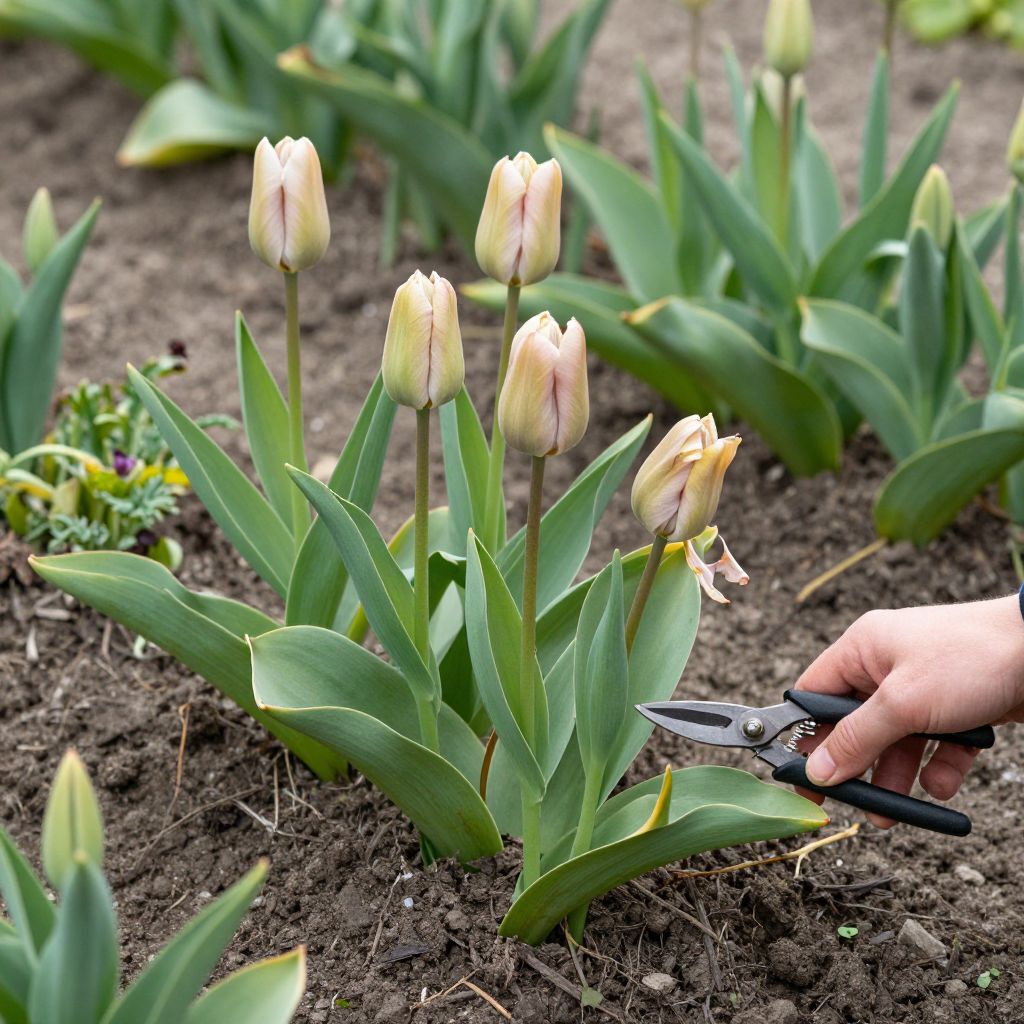
Do tulips bloom more than once? Yes, but not always reliably. Many tulips will flower again in later years, yet some perform best as short-lived spring displays and may weaken after their first bloom if conditions are poor.
If you want repeat blooms, the variety you choose, your climate, and the after-bloom care you give them matter a lot. With the right planting depth, drainage, sunlight, and leaf care, you can improve the odds of seeing tulips return.
Do tulips bloom more than once?
Tulips can bloom again in future years, but repeat flowering depends on the type of tulip and how well it is grown. In many gardens, species tulips and some Darwin hybrids are more likely to return than large, showy bedding tulips, which often decline after one strong bloom.
Why some tulips return and others fade
Tulips are bulbs that store energy for next year’s flowers. After blooming, the leaves must feed the bulb so it can rebuild strength. If the bulb is stressed by poor drainage, too much summer heat, overcrowding, or premature leaf removal, it may return with fewer flowers or only produce leaves.
Common reasons tulips don’t rebloom well
- Poor drainage that causes bulb rot.
- Too little sunlight during the growing season.
- Leaves cut too early, before the bulb has recharged.
- Bulbs planted too shallowly, which can expose them to temperature swings.
- Hot, dry summers that exhaust the bulb.
- Overcrowding from offsets and bulb multiplication.
Which tulips are most likely to bloom again?
Some tulips are simply better repeat performers than others. If reblooming matters to you, choose types known for stronger perennial performance rather than treating all tulips the same.
Better choices for repeat bloom
- Species tulips such as Tulipa tarda or Tulipa clusiana, which often naturalize well in suitable sites.
- Darwin hybrid tulips, which are often more dependable than many other large-flowered types.
- Botanical tulips adapted to well-drained soil and a less crowded planting area.
Types that often act like annuals
- Many large-flowered bedding tulips.
- Fringed, parrot, and some double-flowered tulips.
- Heavily hybridized varieties bred mainly for one dramatic show.
This does not mean these tulips cannot bloom again, only that the odds are lower. In many gardens, they are best enjoyed as high-impact seasonal flowers and replanted each fall if you want the same display.
How to help tulips bloom again next year
The most important job begins right after flowering. Good after-bloom care helps the bulb store energy for the next season, which is the key to repeat bloom.
1. Deadhead the spent flower
Remove the faded bloom once petals drop, but leave the stem and leaves in place. Snipping off the flower prevents the plant from putting energy into seed production.
2. Keep the foliage until it yellows
Let the leaves stay on the plant until they turn yellow or straw-colored. This usually takes several weeks after bloom, depending on weather and variety.
Do not braid, tie, or cut green tulip leaves early. The foliage is feeding the bulb, and early removal is one of the most common reasons tulips fail to return.
3. Water appropriately while the leaves are active
Keep soil lightly moist if spring weather is dry, especially in containers or sandy soil. Tulips do not like soggy ground, but they do need enough moisture to keep the leaves working efficiently.
4. Feed lightly if your soil is poor
A light application of compost or a balanced bulb fertilizer at planting time can help. In established beds, top-dressing with compost in autumn or early spring may improve soil structure and nutrient availability.
Avoid heavy nitrogen feeding, which can push leafy growth at the expense of flowers. Tulips generally do better in moderately fertile soil than in rich, overly lush conditions.
5. Leave bulbs undisturbed when possible
Tulips often bloom better when they are not moved every year. If the site is suitable, let them settle in for a few seasons before lifting or dividing.
Best growing conditions for repeat flowering
To get tulips to bloom more than once, focus on the conditions that bulbs need most: cool winters, sharp drainage, and enough sun in spring. If any of these are off, performance usually drops.
Sunlight
Tulips bloom best in full sun to light shade. In cooler climates, full sun is ideal. In warmer areas, they may appreciate morning sun and some afternoon protection, especially where spring heat arrives early.
Soil and drainage
Well-drained soil is essential. Tulips rot easily in heavy, waterlogged soil, especially during dormancy. If your soil is clay-heavy, improve it with compost and consider raised beds or mounded planting areas.
Planting depth
Plant bulbs deep enough to protect them and encourage stable rooting. A common guideline is about 6 to 8 inches deep, or roughly three times the bulb’s height, but adjust for your soil and local climate.
Spacing
Give bulbs room to breathe. Crowded bulbs compete for water and nutrients, and they may decline sooner. Space them so mature bulbs are not packed tightly together.
Can tulips bloom more than once in pots?
Tulips in containers can bloom again, but repeat flowering is usually less dependable than in the ground. Pots warm up and dry out faster, which can shorten the bulb’s energy reserve.
Container care tips
- Use a pot with drainage holes.
- Choose a free-draining potting mix, not garden soil.
- Water when the top layer of mix begins to dry, but never let the pot sit in water.
- After bloom, keep the foliage growing until it yellows.
- Move pots to a sheltered spot if your climate brings harsh heat after spring.
In many regions, container tulips are treated as seasonal displays. If you want a strong repeat show, it is often easier to replant fresh bulbs in autumn or move the bulbs into the garden after flowering.
What to do after tulips finish blooming
What happens after bloom often determines whether you get flowers again. A simple post-bloom routine can make a big difference.
- Remove the spent flower head.
- Leave the stem and leaves intact.
- Water lightly if spring is dry.
- Let foliage yellow naturally.
- Once the leaves die back, stop watering the dormant bulbs in the ground.
- Mark the planting spot so you do not disturb the bulbs later.
If you want to lift bulbs, wait until the foliage has fully died back. Store them only if your climate or site makes in-ground growing unreliable. Keep bulbs dry, cool, and well-ventilated until replanting time.
Common problems that reduce reblooming
When tulips fail to bloom again, the problem is often easier to diagnose than it first appears. Look at the bulb’s environment and the plant’s growth pattern from the previous season.
Leaves but no flowers
This usually means the bulb did not store enough energy. Common causes include too much shade, early leaf removal, crowding, or a bulb that was too small or weak to begin with.
Short stems and small blooms
Small flowers can result from depleted bulbs, shallow planting, or poor soil. Tulips may also perform less vigorously after a few seasons if the bed has become crowded.
Bulbs rotting in place
Rot points to drainage problems or overly wet soil. If this happens repeatedly, switch to raised beds, improve the soil structure, or choose a different planting site.
Animals digging bulbs up
Squirrels, voles, and other wildlife may disturb tulips. A bulb cage, hardware cloth barrier, or deeper planting can help, depending on the pest and your garden setup.
Should you dig up tulips every year?
Not necessarily. In many gardens, leaving tulips in place is the simplest approach, especially for species tulips and other good perennial performers. However, if your tulips decline badly after the first year, lifting and replanting may be the most practical solution.
Digging and replanting can help if the bed has become crowded or the soil needs improvement. Still, repeated disturbance can also reduce flowering, so only lift bulbs when there is a clear reason.
How to encourage naturalizing tulips
If you want tulips to spread and return over time, choose the right site and the right type. Naturalizing works best where summers are not too hot and the soil drains well.
Tips for naturalizing success
- Choose species tulips or other reliable perennial types.
- Plant in a sunny, well-drained spot.
- Avoid frequent digging in the area.
- Let foliage die back naturally each year.
- Allow offsets to multiply without overcrowding the bed.
Naturalized tulips often look best in drifts, under deciduous trees, or in informal borders where the foliage can fade discreetly after bloom.
Simple answer: yes, but manage expectations
Tulips can bloom more than once, but many do not repeat with the same strength year after year. If you want dependable rebloom, choose better perennial types, plant them in full sun and well-drained soil, and leave the foliage alone until it yellows.
If you want to improve your spring bulb success, you may also want to read more about how to plant bulbs for stronger spring displays and caring for spring-flowering bulbs after bloom.