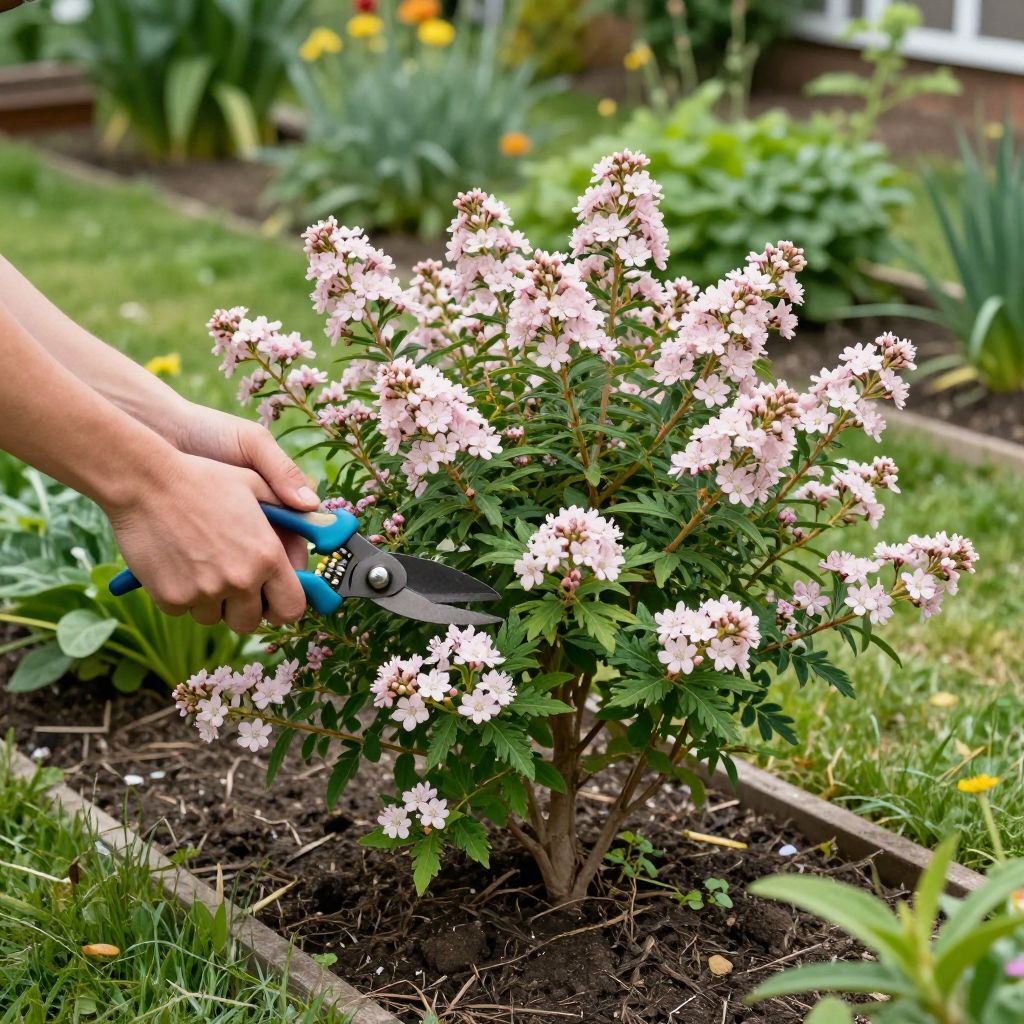
Wondering when to prune spirea without losing flowers? The answer depends on when your shrub blooms. Most spireas are pruned either right after flowering or in late winter, and the right timing helps you keep a compact shape while preserving next season’s bloom display.
Spirea is one of the easiest flowering shrubs to maintain once you know its bloom habit. A few simple cuts at the right time can improve flowering, reduce legginess, and keep the plant healthy for years.
When to prune spirea?
Prune spring-flowering spirea right after it finishes blooming, and prune summer-flowering spirea in late winter or very early spring before new growth starts. The key is not to remove flower buds that are already forming. If you are unsure which type you have, wait until after bloom for the safest timing.
Know your spirea bloom type first
Before you grab the pruners, identify whether your shrub blooms in spring or summer. This matters because spirea flowers on either old wood or new wood, and pruning at the wrong time can reduce flowering for the season.
Spring-flowering spirea
These shrubs bloom on growth made the previous year. Common types include many bridal wreath spireas and similar early-blooming forms. Prune them immediately after flowering so they have time to grow new stems that will carry next year’s buds.
Summer-flowering spirea
These bloom on current-season growth. They are usually pruned in late winter or early spring, before buds break and new shoots begin. This timing encourages vigorous new stems and more flowers later in the season.
Why pruning time matters
Spirea is forgiving, but timing still affects bloom. If you prune a spring bloomer in winter, you may remove the flower buds already set on older stems. If you wait too long to prune a summer bloomer, it may become woody, crowded, and less vigorous.
Good timing also helps you shape the plant without stressing it. Proper pruning improves air movement, which can reduce issues like powdery mildew in dense shrubs.
How to prune spirea correctly
You do not need complicated techniques for routine spirea care. A light, regular pruning is usually better than severe cutting every few years.
- Remove dead, damaged, or crossing stems first. Cut them back to healthy wood or to the base.
- Thin out crowded stems. Remove a few of the oldest stems at ground level to open the center of the shrub.
- Shorten overlong branches. Cut back to an outward-facing bud or a side branch to maintain shape.
- Deadhead spent flowers if you want a tidier look, especially on spring bloomers after flowering.
- Step back often. Check the overall shape as you prune so you do not overcut one side.
How much to remove
For routine maintenance, remove only about one-third of the oldest stems at a time. If the shrub is very overgrown, you can rejuvenate it more heavily, but it is usually best to spread major renovation over two or three seasons.
Best pruning methods for different situations
Light annual shaping
This is the best approach for most healthy spirea shrubs. Trim after bloom for spring types or before growth starts for summer types. Remove a few old stems and lightly shorten the rest to keep the plant dense and balanced.
Rejuvenation pruning for old shrubs
If your spirea is woody, sparse at the base, or sprawling, you can cut back the oldest stems to near ground level. Do this gradually so the plant still has enough foliage to recover. In some cases, a hard cutback in late winter can work, but expect fewer flowers that year.
Deadheading for tidiness
Deadheading is optional, but it can improve appearance. On some spring-blooming spireas, removing faded flower clusters may encourage a cleaner look and sometimes a light second flush, depending on the variety and growing conditions.
Tools you need
Simple, sharp tools make pruning cleaner and safer for the plant.
- Hand pruners for stems up to about 1/2 inch thick
- Loppers for thicker stems
- Gloves to protect your hands from scratches
- Rubbing alcohol or a disinfectant wipe to clean blades if you are cutting diseased wood
Sharp, clean cuts heal faster than torn or crushed stems. Dull tools can leave ragged wounds that slow recovery.
Seasonal timing by climate
Your local weather affects the exact pruning window. In colder climates, late winter pruning should wait until the worst freeze risk has passed but before active growth begins. In milder climates, pruning may happen earlier because plants start growing sooner.
For spring bloomers, the safest rule is to prune as soon as flowering ends. For summer bloomers, prune while the plant is still dormant or just as buds begin to swell, but before new leaves fully expand.
If you miss the ideal time
Do not panic. Spirea usually tolerates a missed pruning window. If you prune a spring bloomer later in the season, you may lose some flowers, but the shrub will usually recover. If you miss late winter on a summer bloomer, wait until after it finishes flowering and prune then lightly.
Common pruning mistakes to avoid
Most spirea pruning problems come from cutting at the wrong time or cutting too much at once.
- Pruning spring bloomers in winter and removing the flower buds
- Shearing the shrub into a tight ball every year, which can create dense outer growth and bare centers
- Cutting all stems to the same height, which can make the plant look stiff and unnatural
- Removing too much old wood at once, which can weaken the shrub
- Ignoring dead or diseased stems that should be removed promptly
A more natural thinning cut is usually better than a heavy hedge-style trim. Spirea looks best when the shrub keeps some of its arching form.
How to tell if your spirea needs pruning
Not every spirea needs a major cut every year. Look for these signs that pruning would help:
- Flowering has become sparse
- Stems are long and floppy
- The center is crowded or woody
- Branches are crossing and rubbing
- The shrub is blocking a path or crowding nearby plants
If the plant is healthy and still blooming well, a light cleanup may be enough.
Growing conditions that support better pruning results
Pruning works best when the shrub is growing in suitable conditions. Spirea generally prefers full sun for the best flowering, though some types can tolerate light shade. It also does best in well-drained soil that does not stay soggy for long periods.
If your soil is heavy clay, improve drainage with compost and avoid overwatering. A stressed shrub may respond poorly to pruning if its roots are already struggling. Mulch can help conserve moisture and reduce weeds, but keep it a few inches away from the stems.
After-pruning care
Once you finish pruning, give the shrub a little attention so it can recover well.
- Water deeply if the soil is dry, especially after a hard prune
- Apply a light layer of compost around the root zone if the soil is poor
- Refresh mulch to help regulate moisture and temperature
- Watch for new shoots, which show the plant is recovering well
Avoid heavy fertilizing right after pruning unless your soil is genuinely low in nutrients. Too much nitrogen can push weak, leafy growth at the expense of flowers.
What to do with diseased or damaged stems
If you see blackened, broken, or obviously diseased shoots, remove them as soon as you notice them. Cut back to healthy tissue, and if disease is suspected, clean your pruners before moving to another plant.
Spirea is generally trouble-free, but dense growth can sometimes trap moisture and encourage fungal issues. Good spacing, sunlight, and selective thinning are often enough to prevent problems.
Can you hard prune spirea?
Yes, many spireas can handle a hard renewal cut, especially if they are old and neglected. However, hard pruning is best done with timing in mind and usually not every year. A severe cutback may reduce blooms for a season while the plant rebuilds its framework.
If you want a safer approach, prune in stages. Remove a third of the oldest stems each year until the shrub is renewed.
Quick pruning checklist
- Identify whether your spirea blooms in spring or summer
- Prune spring bloomers right after flowering
- Prune summer bloomers in late winter or early spring
- Remove dead, damaged, and crowded stems first
- Thin old stems at the base for better shape and airflow
- Avoid cutting too much at once unless rejuvenating an old shrub
Conclusion
The best answer to when to prune spirea is simple: prune spring-flowering types after bloom and summer-flowering types before new growth starts. If you match the timing to the bloom habit, you will keep the shrub healthy, fuller, and more floriferous. Grab sharp pruners, check your shrub’s bloom type, and make a few careful cuts this season.
For more shrub care guidance, you may also want to read about how to prune flowering shrubs and basic shrub maintenance for home gardens.