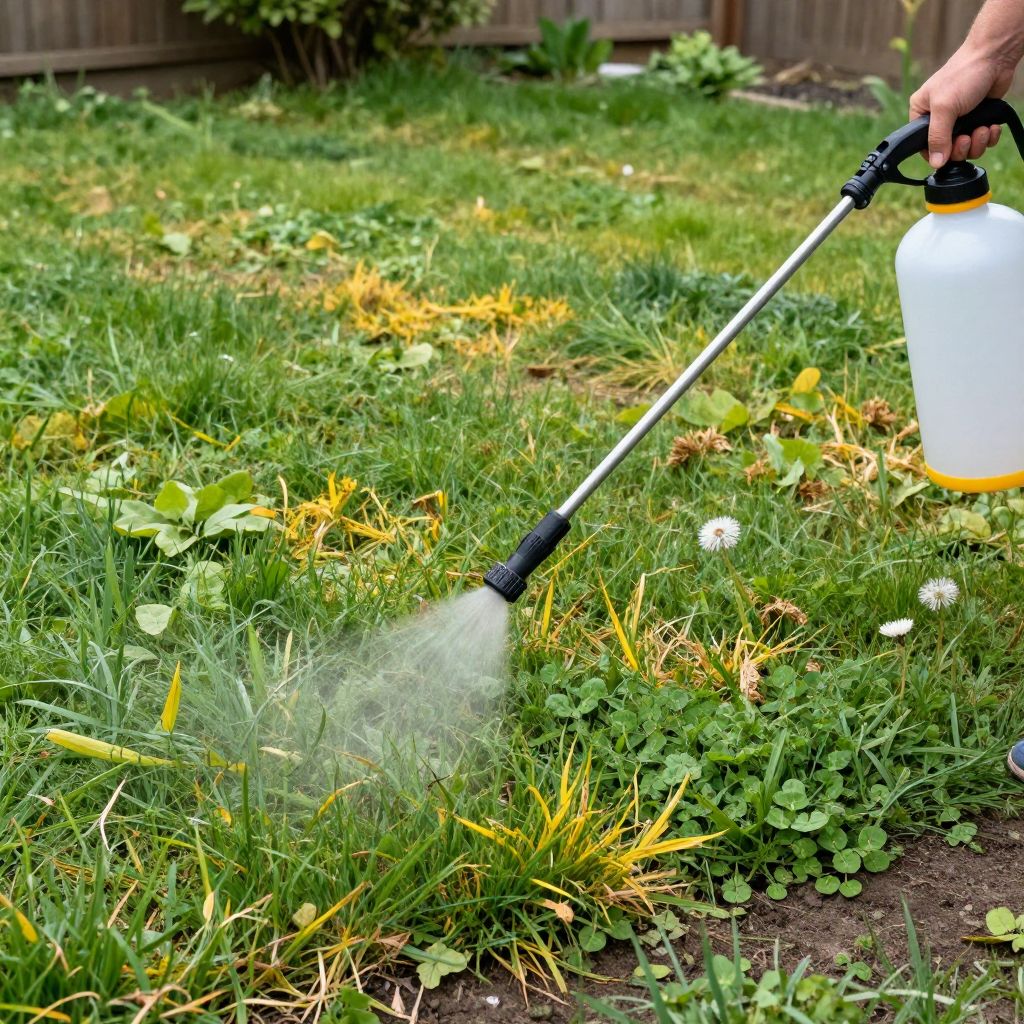
Does Roundup kill grass? Yes—Roundup can kill most grasses it contacts, because it is a non-selective herbicide that moves through the plant and kills roots and shoots. The catch is that it only works on actively growing grass and weeds, and results depend on the grass type, spray coverage, weather, and how soon you need to replant.
If you’re trying to clear a lawn patch, remove weeds from a bed edge, or start over with a new lawn, it helps to know exactly how Roundup behaves. Used carefully, it can be effective; used carelessly, it can damage desirable turf, nearby ornamentals, and new seedings.
Does Roundup kill grass?
Yes. Roundup, which contains glyphosate in many products, is designed to kill green, actively growing plants, including most lawn grasses. It does not “pick and choose” between weeds and turf, so any grass it lands on may yellow, wilt, and die if the spray reaches enough leaf tissue.
How Roundup works on grass
Roundup is absorbed through the leaves and moves into the plant’s growing points and roots. That is why it can kill the whole plant rather than just burning the top growth. For best results, the grass must be actively growing and not under drought stress, because stressed plants absorb and move herbicide less effectively.
What you should expect after spraying
- Visible symptoms often take days, not minutes. Yellowing, browning, and decline usually appear gradually.
- Cool-season and warm-season grasses can both be affected if they are sprayed.
- Small missed patches may survive and regrow.
- Rain too soon after application can reduce performance, depending on the product label.
Will Roundup kill all types of grass?
In general, it can kill most turf grasses, pasture grasses, and ornamental grasses if enough product contacts the foliage. However, grass species, plant maturity, weather, and application quality all influence the outcome. Thick, healthy turf may take longer to show damage than thin or stressed grass, but it is still vulnerable.
Common situations where grass may survive
- The spray only hit a few blades and not the crown or growing point.
- The grass was drought-stressed, dusty, or covered with debris.
- You mowed just before spraying and reduced the leaf area available to absorb the product.
- Heavy rain or irrigation washed the spray off too soon.
How long does it take to kill grass?
Timing varies, but you usually won’t see complete death immediately. Some grasses begin to yellow within several days, while full kill can take one to two weeks or longer. Perennial grasses with established roots may decline more slowly than young seedlings or tender new growth.
Factors that affect speed
- Active growth: Faster uptake happens when the grass is growing well.
- Temperature: Moderate temperatures often improve performance compared with extreme heat or cold.
- Coverage: Thorough leaf coverage matters more than soaking the soil.
- Plant size: Larger, mature clumps may need more time to fully collapse.
When Roundup is useful in the garden
Roundup can be helpful when you need to clear an area completely before reseeding, laying sod, or rebuilding a bed. It is also used for spot-treating invasive grasses or weeds that are hard to dig out. The key is to apply it only where you want all vegetation removed.
Good uses include
- Clearing an overgrown patch before starting a new lawn.
- Removing grass from pathways, fence lines, or bed edges.
- Eliminating persistent weeds in areas where you do not want any plant growth.
- Spot-treating escapes in a dormant area before renovation.
When not to use Roundup on grass
Do not use it on a lawn you want to keep, even if you only want to remove weeds. Since it is non-selective, it can damage the turf around the weeds and leave bare spots. If you need to kill broadleaf weeds in grass, a selective lawn herbicide is usually the better choice.
Better alternatives for lawn weed control
- Hand pulling for isolated weeds in small lawns.
- Selective herbicides labeled for your turf type and target weed.
- Improving lawn density through mowing, watering, and overseeding so weeds have less room to establish.
How to apply Roundup safely and effectively
If you decide to use it, follow the product label exactly. Labels differ by formulation, and the label is the legal and practical guide for timing, coverage, and reentry. Avoid guessing, especially around edible plants, ornamentals, and new seedings.
- Identify the area clearly. Make sure you only spray grass you truly want to kill.
- Choose a calm, dry day. Wind can carry droplets onto desirable plants.
- Spray only the foliage. The product works through leaves, not by soaking the soil.
- Cover evenly. Missed blades can survive and regrow.
- Keep people and pets away until the treated area is dry and the label says it is safe.
Common mistakes to avoid
- Spraying on windy days.
- Using more than the label recommends.
- Mowing immediately before or after application without checking the label guidance.
- Spraying stressed, dusty, or drought-damaged grass and expecting fast results.
- Assuming one application will solve every problem in a dense, established patch.
Can you plant grass after using Roundup?
Yes, but timing depends on the product you used and the kind of planting you plan to do. Some formulations allow reseeding after a short wait, while others may require a longer interval. Always check the label before sowing seed, laying sod, or planting plugs in the treated area.
For lawn renovation
- Wait until the existing grass is fully dead before tilling or reseeding.
- Remove dead thatch and debris so new seed can contact the soil.
- Level the area and improve drainage if water tends to puddle.
- Use fresh seed suited to your climate and sun exposure.
What if Roundup only partially kills the grass?
Partial kill usually means some blades or crowns were missed, the plant was stressed, or the spray was washed off too quickly. In that case, wait to see whether regrowth appears before reapplying. If the grass is still green after the expected interval, a second application may be necessary according to the label.
Troubleshooting partial control
- Patchy yellowing: Coverage was uneven or the spray drifted.
- Regrowth from the center: The crown survived.
- Slow decline: Weather may have been too cool, hot, or dry for strong uptake.
- Weeds mixed with grass: Some plants may be more tolerant than others, so results can look uneven.
How soil, water, and weather affect results
Roundup is absorbed mainly through the leaves, so soil type matters less than leaf condition, but the growing environment still affects performance. Healthy moisture levels and moderate temperatures help the plant move the herbicide internally. Very dry or very cold conditions can slow the process.
Best conditions for application
- Actively growing grass with plenty of green leaf area.
- No rain in the immediate period specified on the label.
- Low wind to reduce drift.
- Temperatures that are neither extreme heat nor freezing cold.
Safer lawn-renovation tips after killing grass
Once the grass is dead, use the opportunity to improve the site instead of simply reseeding into poor conditions. Thin lawns often fail because of compacted soil, poor drainage, or too much shade, not just because of weeds.
- Test drainage: If water sits on the surface, loosen compacted soil or regrade shallow low spots.
- Add compost carefully: A light topdressing can improve soil structure before reseeding.
- Match grass to site: Sun-loving turf struggles in shade, and shade-tolerant turf may still need more light than you have.
- Maintain proper mowing height: Cutting too short weakens new turf and invites weeds.
Bottom line
Does Roundup kill grass? Yes, it usually does, and that is exactly why it is used for total vegetation control. The best way to use it well is to spray only the grass you want removed, follow the label, and wait for full dieback before replanting. If you are renovating a lawn, check your product label first and plan the next steps before you spray.
If you want to improve the area after removal, you may also find it helpful to read about lawn renovation basics and how to fix poor soil drainage.