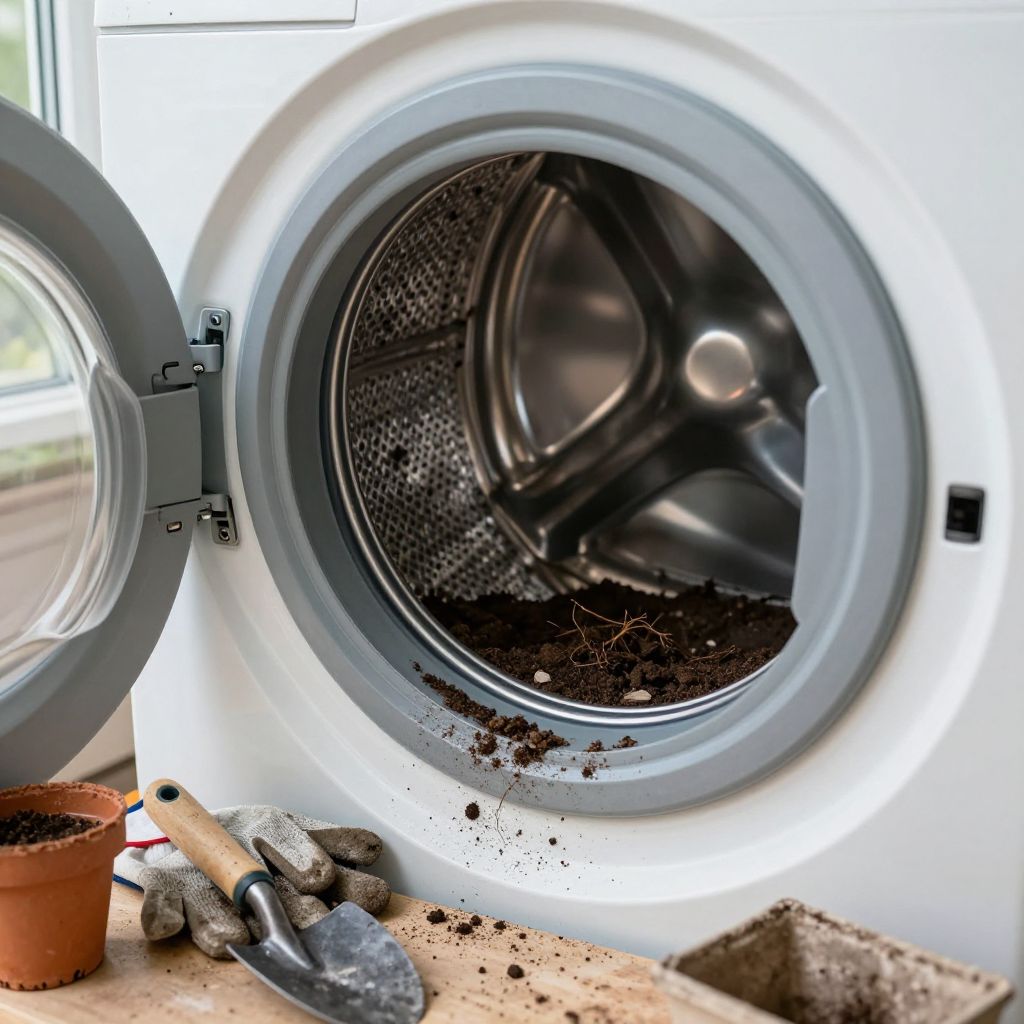
What is soil in washing machine, and why are gardeners asking about it? In most gardening contexts, this phrase usually points to soil or mud contamination on clothing after yard work, not a real gardening soil type. If you meant how to remove garden soil from laundry, the answer is to treat it as dry dirt first, then wash carefully.
If you were searching for a plant, compost, or garden-soil topic, the most useful idea is still the same: understanding how soil behaves when it gets wet, compacted, or embedded in fabric can help you clean tools, clothes, and outdoor gear without spreading grime around the garden or damaging materials.
What Is Soil in Washing Machine?
“Soil” in a washing machine usually means dirt, clay, mud, grass stains, or other garden residue on clothing and linens. For gardeners, the practical concern is how to remove that soil safely without clogging the machine, setting stains, or grinding grit deeper into fabric.
How to Identify Garden Soil on Laundry
Garden soil is not all the same. The way it looks and behaves on fabric helps you choose the right cleaning method.
Common types of garden soil residue
- Dry topsoil: loose, dusty, and easy to brush off before washing.
- Clay soil: sticky when wet, hard when dry, and more likely to leave a dull stain.
- Compost: dark, organic, and often leaves a brown or black mark.
- Mulch or potting mix: may include bark, peat, coco coir, or perlite pieces that cling to seams and cuffs.
- Grass and leaf debris: often leaves green staining in addition to soil marks.
Why this matters
Knowing the source helps you decide whether the problem is loose dirt, a stain, or both. Loose particles should be removed before washing, while stains usually need a pretreatment step.
Best Way to Remove Soil from Garden Clothes
The safest approach is to dry-clean the dirt first, then wash. Wet mud in a machine can spread across fabric and settle into the drum, seals, and drain filter.
- Let mud dry completely if possible.
- Shake the garment outdoors to remove loose soil.
- Brush off remaining dirt with a soft brush.
- Rinse the back of the stain with cool water.
- Pre-treat with a stain remover or a small amount of liquid laundry detergent.
- Wash according to the fabric care label.
- Check the stain before drying; repeat if needed.
Why you should not rush to wash wet mud
Wet soil can smear into a larger stain and work deeper into fibers. It can also leave grit in the washer, especially in front-load machines with tight door seals and drain traps.
Can Soil Damage a Washing Machine?
Yes, heavy garden soil can cause problems if it builds up over time. Small amounts are usually manageable, but large clumps of clay, sand, or compost can affect performance.
Possible washing machine issues
- Clogged drain filters or pump screens
- Grit trapped in door gaskets or rubber seals
- Residue buildup inside the drum
- Odors from organic debris left behind
- Extra wear on fabrics from abrasive particles
Front-load washers often need more attention around the door seal, while top-load washers may collect debris around the agitator, drum rim, or lint filter area.
How to Wash Garden Soil Out of Clothes Safely
Use a simple, fabric-friendly method. The goal is to remove grit without setting stains or overloading the machine.
Step-by-step washing guide
- Sort heavily soiled items separately from lightly dirty laundry.
- Pre-rinse mud-stained items outdoors if they are extremely dirty.
- Apply detergent directly to stained areas and rub gently.
- Use the water temperature recommended on the care label.
- Choose a normal or heavy-duty cycle only if the fabric can handle it.
- After washing, inspect the garment before machine drying.
Water temperature tips
Cool water is usually best for fresh mud and many plant stains because it helps prevent setting. Warm water may work better for greasy garden grime on durable work clothes, but always follow the fabric label.
What to avoid
- Do not rub dried soil aggressively into delicate fabrics.
- Do not use hot water first on unknown stains.
- Do not dry a stained item until you are sure the mark is gone.
- Do not overload the washer with muddy clothes and towels at the same time.
Special Care for Different Garden Fabrics
Gardeners wear everything from cotton tees to waterproof trousers. Each fabric handles soil differently.
Cotton and canvas
These fabrics are durable and usually tolerate brushing, soaking, and standard detergent well. They are common for work shirts, overalls, and gardening aprons.
Synthetics and performance wear
Polyester and similar fabrics can hold onto oily soil and plant residue. Use a gentle detergent and avoid fabric softener if the garment is designed to wick moisture.
Waterproof or coated gear
Check the care label carefully. Harsh scrubbing or strong cleaners can damage coatings and reduce water resistance.
Delicate items
If soil has reached a delicate blouse, scarf, or specialty fabric, spot-clean first and test any cleaner on a hidden area.
How to Clean Mud and Soil from Garden Boots and Tools
The same principle applies to boots, gloves, and tools: remove dry debris first, then wash or wipe down as needed.
Garden boots
- Tap soles together outdoors to dislodge clumps.
- Use a stiff brush for tread and seams.
- Rinse with water and let them dry naturally.
- Remove insoles if they are washable and dry them separately.
Gloves
Fabric gloves often trap fine soil in the fingertips and cuffs. Turn them inside out if the care label allows, shake out debris, and wash gently.
Hand tools
Pruners, trowels, and hand forks should be cleaned after use so soil does not harden on the metal. Wipe them dry to reduce rust, especially after working in damp soil or compost.
Common Stains Garden Soil Leaves Behind
Soil itself is only part of the problem. Garden work often leaves mixed stains that need different treatment.
Grass stains
These are green and may need a prewash stain remover or liquid detergent rubbed into the fabric before washing.
Clay stains
Clay is fine-textured and sticky, so it can leave a faint shadow even after the loose dirt is gone. Repeating the pre-treatment often helps more than scrubbing harder.
Compost and mulch marks
These can leave dark organic stains. If the mark remains after washing, air-dry and try again rather than using heat immediately.
Fertilizer residue
Dry fertilizer dust can be irritating to skin and may leave white or colored marks. Brush it off before washing and rinse the fabric well.
How to Prevent Soil Buildup in the Washer
A little prevention saves time and keeps the machine running well.
- Shake out clothes outside before bringing them indoors.
- Keep a boot tray or mud mat near the garden entrance.
- Use a dedicated laundry basket for work clothes.
- Empty pockets before washing to remove seeds, grit, and labels.
- Wipe the washer door seal and drum after very dirty loads.
If you garden often, consider a separate set of work clothes. That makes it easier to handle heavy soil without worrying about your everyday laundry.
Seasonal Garden Cleaning Tips
Soil problems change with the season and weather. Wet spring beds, summer dust, and autumn leaf mold all behave differently.
After rainy weather
Clay and loam cling more strongly when wet. Let clothing dry before brushing, and clean boots before bringing them inside.
In dry weather
Dusty soil can spread easily through the laundry room. Shake garments outdoors and clean the washer filter more often if you are handling a lot of dry grit.
During composting and mulching jobs
Organic debris can smell if left in fabric. Wash these items promptly, and do not leave damp work clothes in a closed hamper for long periods.
Troubleshooting: When Soil Stains Will Not Come Out
Stubborn stains usually mean the soil has mixed with plant sap, clay, or oils from skin and tools. A second treatment is often more effective than a harsher wash.
- Stain still visible after washing: repeat pre-treatment and wash again before drying.
- Grit remains in seams: brush the area after drying and rewash if needed.
- Washer smells earthy: clean the drum, gasket, and filter, then run an empty maintenance cycle if your machine manual recommends it.
- Fabric looks dull: fine clay may be embedded; soak and rewash gently.
If a stain is old or heat-set, complete removal may not be possible. In that case, the best practical goal is to lighten it and keep it from spreading to other laundry.
Simple Garden Laundry Routine You Can Follow
A repeatable routine makes muddy work clothes much easier to manage.
- Shake off dry soil outdoors.
- Brush or rinse off clumps.
- Pre-treat visible stains.
- Wash with similar work clothes.
- Inspect before drying.
- Clean the washer if the load was especially dirty.
This approach protects both your clothes and your machine while keeping garden mess under control.
Conclusion
So, what is soil in washing machine? For gardeners, it usually means dirt, mud, and organic residue on laundry, and the best fix is to remove the dry soil first, then wash with care. Start by brushing off grit, pre-treating stains, and checking the washer after heavy garden loads so your clothes and machine stay in good condition.
If you want to keep your garden gear cleaner between washes, it also helps to review practical care for outdoor tools and workwear before the next messy job.